The True Cost of Ownership Extends Far Beyond the Purchase Price
"Then you move in, and you don't really have any money left for repairs and maintenance, so you wind up running up credit card debt or taking out some kind of higher interest debt to pay for that." — Jeff Ostrowski, Analyst at Bankrate.com
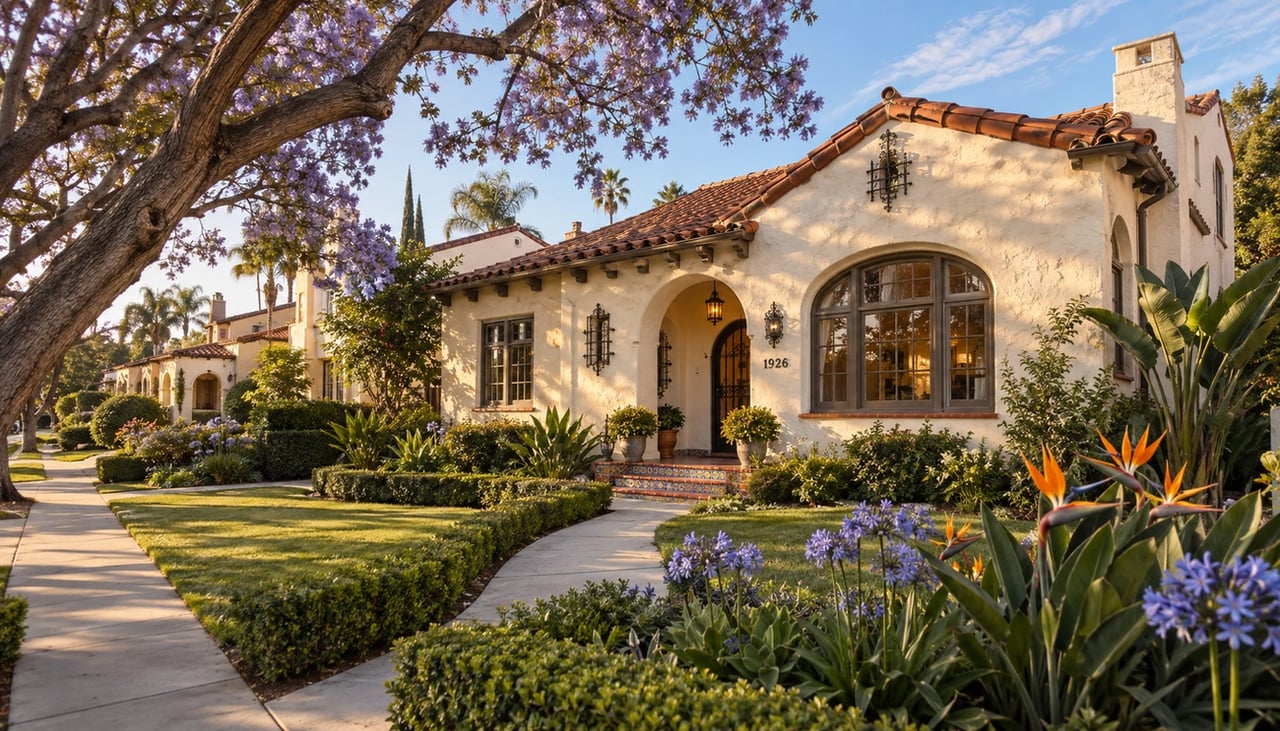
The True Cost of Ownership Extends Far Beyond the Purchase Price
Properties in Bel Air USA and Pacific Palisades come with financial obligations that extend years beyond escrow closing. Buyers focus on purchase negotiations and mortgage terms. The recurring expenses of ownership often represent a larger surprise than the down payment itself.
What the Numbers Look Like
Property taxes in Los Angeles County follow California's Proposition 13 framework. This caps the base rate at around 1% of assessed value, plus voter-approved local bonds and assessments. A $10 million property in Beverly Hills means an annual tax bill of around $100,000 before you factor in additional measures. A $5 million home in Santa Monica can reach $50,000 or more in annual property taxes.
Reassessment occurs the moment ownership transfers. The previous owner might have held the property for decades with a lower assessed value. The new buyer faces a supplemental property tax bill in the first year to cover the difference. This one-time bill catches many new owners unprepared and adds thousands of dollars beyond the budgeted annual amount.
California's Measure ULA, often called the Mansion Tax, adds another layer. Sales between $5 million and $10 million incur a 4% transfer tax. Properties above $10 million face a 5.5% tax. This applies whatever the original purchase price and affects resale calculations in Hidden Hills real estate and other luxury markets.
Insurance costs have shifted by a lot since 2023, especially for properties in hillside locations or fire-exposed neighborhoods. Standard homeowners insurance for luxury properties already runs higher due to replacement costs and specialized coverage requirements. Homes in Pacific Palisades real estate zones or areas like Malibu and Topanga face a challenge. Wildfire insurance became harder and harder to secure through traditional carriers after State Farm and Allstate reduced new policy issuance in high-risk zones. Buyers in these areas often turn to the California FAIR Plan. Annual premiums can range from $4,000 to $7,500 there.
Maintenance expenses on luxury properties follow a different cost structure than traditional homes. High-end amenities, extensive landscaping, private pools and sophisticated home systems demand regular upkeep. A reliable planning guideline places annual maintenance and repair costs at 1% to 3% of the home's purchase price. A $10 million estate means $100,000 to $300,000 reserved each year for routine upkeep and emergency repairs.
The biggest house in LA usually has features that need specialized professionals. Custom architectural elements, imported materials, advanced automation systems and resort-style outdoor spaces all increase the complexity and cost of maintenance. Water features need regular cleaning and repairs. Extensive gardens in areas with California's water rates and conservation regulations add substantial utility expenses. Security systems for high-profile properties involve installation costs from $10,000 to $50,000 or more, plus monthly monitoring fees between $100 and $500.
HOA fees in luxury communities like gated sections of Hidden Hills or premium developments in Beverly Hills can reach high amounts. These dues fund around-the-clock security with staffed entry points, pristine landscaping maintenance and exclusive amenities such as pools, fitness centers and concierge services. Annual HOA costs can range from $4,800 to $14,400 for typical residential properties. Premium club communities add membership fees on top.
Why This Catches Even Experienced Buyers Off Guard
The disconnect between predicted and actual ownership costs stems from several factors that remain less visible during the buying process. Deferred maintenance represents one of the most overlooked expense categories. A property can photograph beautifully and show well during tours while it harbors major maintenance needs beneath the surface. Roofing systems, HVAC equipment, drainage infrastructure, waterproofing, pool equipment and smart-home technology all carry higher repair or replacement costs in luxury properties compared to traditional homes.
Insurance availability changed fast. Buyers who began their search before 2023 often planned based on premium estimates that no longer reflect current market conditions. The pullback by major carriers in fire-prone areas created a coverage gap that alternative programs fill at higher rates. This shift happened after many buyers had already formed their budget expectations.
Utility costs in large estates exceed typical projections. Expansive floor plans, high ceilings and large windows need more energy for heating and cooling. Features like heated pools, spas, outdoor lighting systems and advanced home technology contribute to higher electricity and gas bills year-round. Water expenses for lush lawns and elaborate gardens in California's regulatory environment add another layer.
Capital expenditures represent large, infrequent but needed system replacements that need long-term planning. These differ from routine maintenance. They include major items like roof replacement, HVAC system overhauls and exterior renovation. The age and condition of these systems becomes a critical part of due diligence. Buyers often focus more on esthetic features during property tours.
How to Model Total Carrying Costs Before You Commit
An accurate ownership cost model starts with expenses categorized into fixed and variable buckets. Fixed costs include property taxes at the 1% base rate plus local assessments. You can calculate these from the purchase price. Insurance premiums vary by location and property characteristics but can be quoted once the address and coverage requirements are established.
Variable costs need more estimation but follow established ranges. Maintenance reserves at 1% to 3% of property value provide a realistic annual budget. A $5 million property in the most expensive house in Bel Air neighborhoods means you set aside $50,000 to $150,000 each year. Utility costs can be projected based on square footage, climate control needs and outdoor features. Security and monitoring services can be priced through vendor quotes specific to the property's location and requirements.
HOA fees, where they apply, appear in the property disclosures and offer a fixed monthly cost. Specialized maintenance for unique features like wine cellars, guest houses or custom water features should be researched through vendor consultations before purchase. Landscaping costs in hillside or canyon areas must include mandatory brush clearance for fire safety. This represents a recurring expense tied to regulatory compliance.
The total monthly housing cost combines the mortgage payment, property taxes (divided monthly), insurance premiums, HOA dues, utility estimates and maintenance reserves. This complete picture reveals whether the property aligns with long-term financial capacity. Buyers who evaluate affordability based on the mortgage payment or purchase price alone often underestimate the broader commitment.
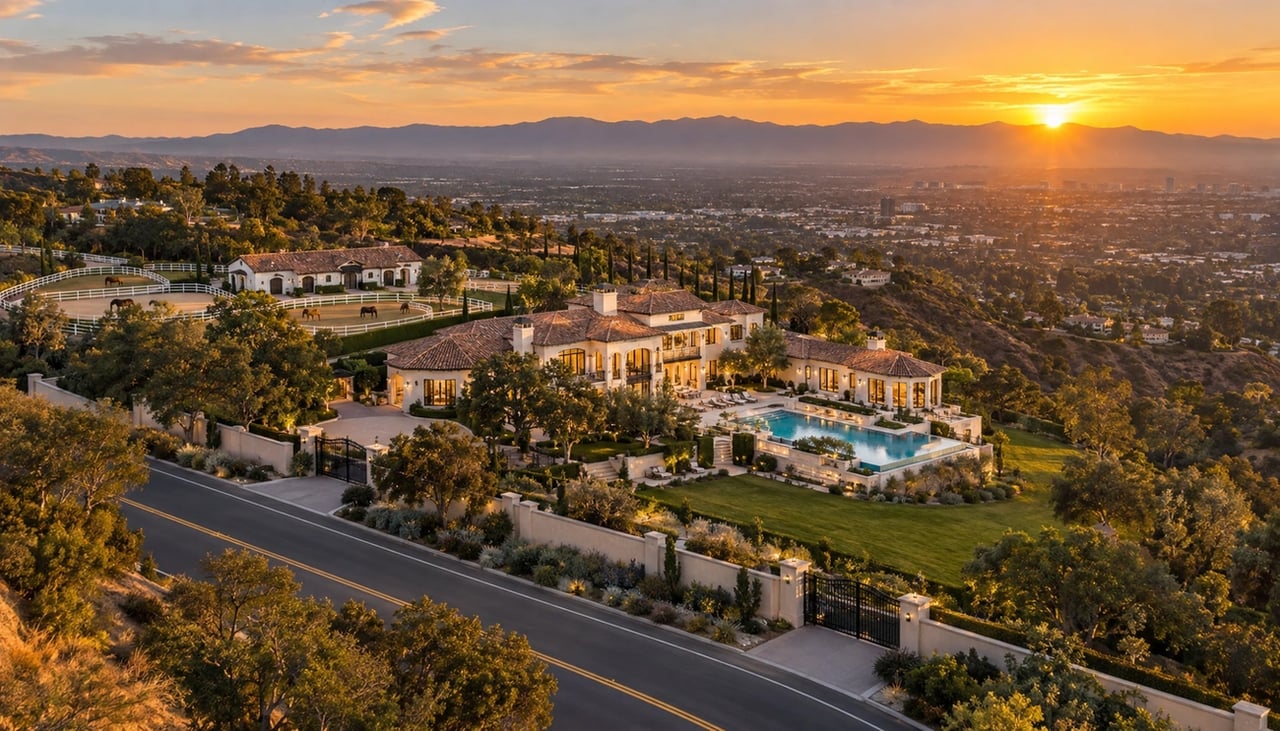
Off-Market Transactions in Bel Air and Pacific Palisades Operate on Different Rules
Off-Market Transactions in Bel Air and Pacific Palisades Operate on Different Rules
Headlines don't drive luxury real estate in Los Angeles. The market moves through private conversations, selective access, and timing fine-tuned to relationships rather than public launch dates. About 25% of luxury deals now close without ever entering the Multiple Listing Service. Visibility becomes secondary to precision for those who understand this dynamic. Timing means everything.
What Off-Market Really Means in Los Angeles
Off-market is not a single transaction type. The term describes several distinct listing paths. Each carries different rules, exposure levels and strategic implications. The key difference separates truly private sales from properties simply not yet displayed to the public.
Real estate professionals in Bel Air USA and Pacific Palisades real estate markets distinguish between office exclusives, pocket listings and other off-MLS arrangements. Some homes circulate only within a brokerage or private network. Others receive narrower marketing without immediate MLS entry.
That difference matters for sellers in neighborhoods like 1200 Bel Air Road or the most expensive house in Bel Air zones because of specific local MLS rules. Public marketing triggers a requirement in CRMLS that the listing be submitted to the MLS within one business day. Public marketing has signs, websites, social media, flyers, open houses and even verbal or written communications. A property cannot be marketed broadly to the public while remaining off the MLS under an exclusive listing arrangement.
The paperwork and marketing plan need to align from the start if privacy represents the genuine goal. Discretion drives the decision for many luxury sellers. A quieter sale limits public exposure and reduces stranger traffic through the property. It provides control over who knows the home is available. Some sellers use a private strategy while finishing repairs or finalizing staging. Others test pricing before deciding whether to launch more broadly.
CRMLS tells sellers that keeping a property off the MLS can mean other brokers and their buyer clients may not know the home is for sale. Public search sites and apps do not display the property. Sellers may receive fewer offers as a result. Reduced exposure can affect the final price.
This represents more than theoretical concern. Zillow's February 2025 analysis of 2023 and 2024 sales found that off-MLS homes sold for a median 1.5% less nationwide. California sellers gave up more than $30,000. The median result remained negative even in the luxury tier, though smaller at 0.4%. The California Association of Realtors notes that more limited marketing may suit some clients, but MLS exposure can help boost a seller's bottom line. More qualified buyers compete when broader visibility improves price discovery.
That does not mean every Bel Air private sale closes at a discount. Sellers should treat off-market as a strategic choice rather than an automatic advantage. The Los Angeles mansion tax adds another layer besides pricing considerations. The tax demands an extra 4% on property sales of $5 million or more. It jumps to 5.5% when properties cross the $10 million mark. Sellers of the biggest house in LA or similar estates at $100 million face tax bills of $5.5 million, which influences structuring decisions through private channels.
Why Private Networks Matter More Than Public Listings
Access determines opportunity for buyers. Off-market homes are not easily searchable unlike traditional listings. Visibility often depends on relationships, network reach and connections to agents active in the luxury space. Buyers miss opportunities that never become available to the public without that access.
The buyer pool is narrow by design in an office exclusive arrangement. That creates opportunities for buyers who are well connected, well prepared and working with the right broker. This proves helpful for a buyer searching Hidden Hills real estate or specific Pacific Palisades zones when seeking a very specific property type with visibility into opportunities before they become broadly known. Early access leads to smoother, more discreet negotiation in some cases.
The downside for buyers is limited visibility into the full market. Many buyers never know a property was available when it sells through private channels. The MLS remains the system that gives broad awareness to agents and powers many consumer-facing listing platforms. Buyers may miss options that could have fit their needs better when a property stays outside that system. That reduction in transparency matters.
Off-market properties appeal to distinct buyer profiles. Ultra-high-net-worth buyers value discretion above all else. High-profile individuals prefer to avoid public attention before company announcements. Address exposure creates security risks for celebrity homeowners. Many high-profile buyers in Los Angeles most expensive home markets prefer to keep their real estate moves quiet.
The right home makes all the difference for those who love to entertain. Christina Pope at Sotheby's International Realty would be delighted to help you find spaces designed for elevated living and effortless hosting if you're thinking about a purchase in the near future or beginning your search. Christina Pope  310-404-9931
  [email protected]
How to Access Hidden Hills and Malibu Opportunities Early
The process starts with a strategy conversation rather than a whisper campaign. Trust, reputation and established relationships are what you need to enter the off-market segment. Specialized agencies work with exclusive networks to ensure a smooth experience for both parties.
Off-market listings in Hidden Hills and Calabasas represent properties not featured on the MLS. These under-the-radar properties remain unlisted for various reasons: ongoing renovations or seller preference for more privacy and fewer showings. Pocket listings provide prospective buyers exclusive access to properties before they become available to the general public. These listings remain exclusive to real estate agents, which makes working with sellers and having bids accepted easier without significant competition.
You need to build a strong network that has agents, other investors and brokers. Experienced real estate professionals have industry knowledge that proves invaluable when looking for off-market property. Sellers uncomfortable opening their homes for showings explore unlisted sales. Agents turn to their network to see if anyone's interested in this scenario.
This exclusive approach works well in Malibu, Bel Air, Beverly Hills, Hollywood Hills, Hidden Hills and Brentwood. These areas demonstrate how privacy-focused decisions often matter more than financial gains. Sellers benefit from testing the market without showing how long their property stays listed, a number that can hurt property value. Buyers receive first access to properties before others know they exist.
Real estate agents with vast networks of agents, brokers and investors maintain their finger on the pulse of off-market properties coming onto the market soon. A well-connected real estate professional has an extensive network to whom they can market luxury homes. Access to off-market listings gives potential buyers a competitive edge and a better chance of placing an accepted offer while avoiding bidding wars.
The most meaningful transactions in the most expensive house in Bel Air California neighborhoods unfold within trusted circles. Understanding these private networks determines which properties become visible and which remain forever unknown for buyers searching Pacific Palisades, Malibu or Hidden Hills.
Fire Zone Designations Reshape Insurance and Resale Value

Image Source: Office of the State Fire Marshal - CA.gov
"Houses in regulated areas … sell for about a 4 percent discount compared to those in nonregulated areas … You might interpret this as, disclosing the wildfire risk causes prices to fall by 4 percent, on average." — Lala Ma, Associate Professor of Economics, University of Kentucky
Fire Zone Designations Reshape Insurance and Resale Value
California's Fire Hazard Severity Zone system now serves as a basic screening tool in luxury real estate transactions. CAL FIRE assigns every parcel a fire hazard severity zone rating across three levels: Moderate, High, and Very High. Properties in Very High zones sit near the Santa Monica Mountains or other fire-prone areas and face steep insurance costs and friction from lenders. Properties in Moderate zones sit in dense urban areas with nowhere near as many obstacles.
What Fire Hazard Severity Zones Mean for Your Property
The classification system assesses hazard rather than risk. Fire Hazard Severity Zone maps work like flood zone maps and describe the probability level of a particular area experiencing wildfire without mitigation measures such as home hardening, recent wildfire, or fuel reduction efforts. The science-based model assigns a hazard score based on factors that include vegetation and fuel density, topography such as slope and elevation, common wind and ember flow patterns, local fire history and climate trends, and proximity to wildland areas and ignition points.
More than a third of La Verne residents live within a Very High Fire Hazard Severity Zone and face higher risk of wildfires and loss of insurance coverage. A CAL FIRE map proposed recently shows that more than half of rural California falls in the very high fire hazard zones, covering nearly 17 million acres and marking a 15% increase since 2007.
Why Insurance Availability Changed After 2023
Several major insurers stopped writing policies in Very High zones across Southern California following the Palisades fire. State Farm General, California's largest home insurer, announced nonrenewal of more than 30,000 homeowner and condominium policies throughout the state. This included more than 1,600 in Pacific Palisades and more than 2,000 in two other Los Angeles ZIP codes such as Brentwood, Calabasas, Hidden Hills, and Monte Nido neighborhoods. Allstate stopped writing new policies in California in 2022, and Tokio Marine America Insurance Co. and its subsidiary Trans Pacific Insurance Co. pulled out of the state in 2024. Chubb and its subsidiaries stopped writing new policies in 2021 for high-value California homes determined to have high wildfire risks.
The California FAIR Plan saw enrollment surge past 400,000 policies statewide. FAIR Plan reported $647,000 in total dwelling exposure as of September 2025, up about 50% from a year ago and a staggering 303% jump compared to September 2021. The number of policies on the FAIR Plan's books swelled to over 625,000, up about 38% from the same period in 2024.
One Pacific Palisades homeowner with Farmers Insurance was told his homeowners insurance premium would jump from $4,500 to $18,000 a year. The annual premium gap between a high-zone and low-zone home of similar value can reach $20,000 to $50,000 or more.
How to Verify Risk Before You Sign
Buyers should ask whether the property is in a Fire Hazard Severity Zone, Wildland Urban Interface area, or other high-risk designation. The wildfire risk designation will affect both insurance availability and the home's pricing. Sellers in California are required by law to disclose this information. Buyers should confirm insurance availability early in the process and assess coverage for dwelling replacement cost, extended replacement cost, and wildfire-related losses.
Long-Term Impact on Pacific Palisades Real Estate Values
The insurance cost gap between a Very High zone home and a Moderate zone home can exceed $200,000 over a 10-year hold. The total cost difference can exceed $300,000 over a 10-year hold when insurance and resale dynamics are both factored in. Walls et al. estimated a 4.3% drop in the prices of homes within 300 meters of the regulated area boundary because of the disclosure requirement. Garnache found an 11% home price drop in newly expanded wildfire risk designation areas relative to neighboring areas outside of the new designation boundary.
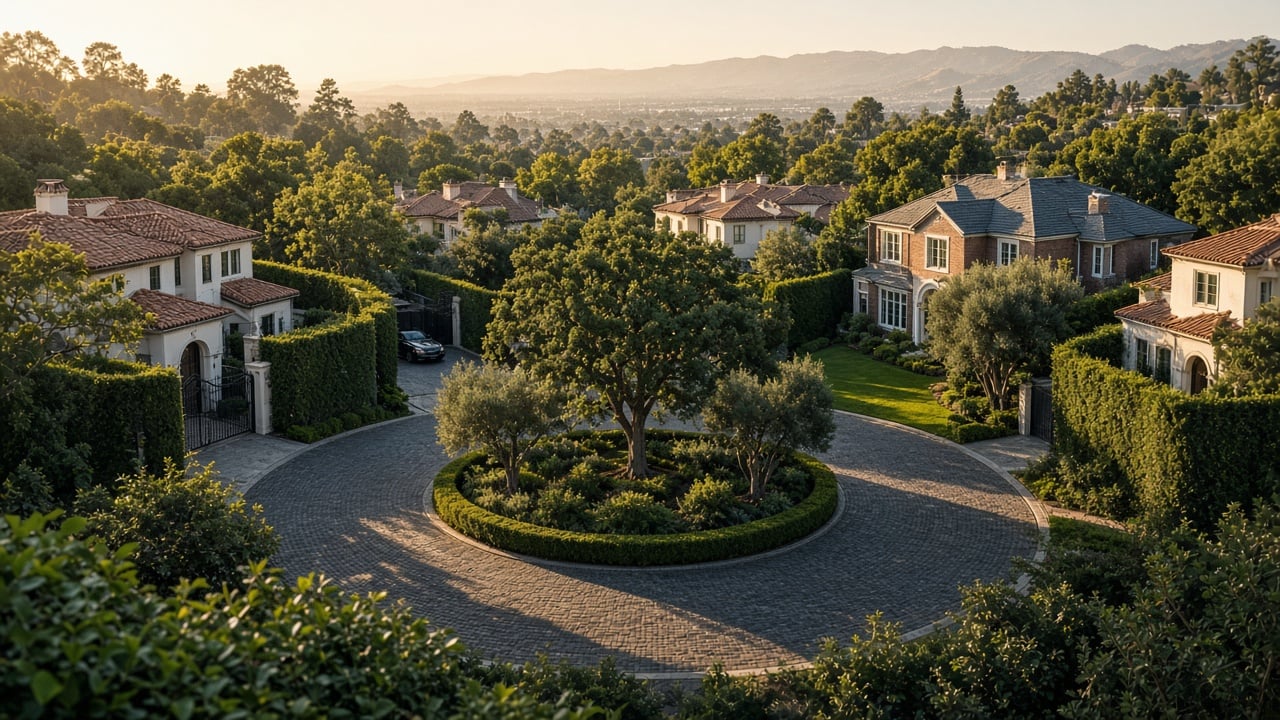
Pricing Strategy Determines Whether Your Home Sells or Sits for Months

Image Source: Amalfi Estates
Pricing Strategy Determines Whether Your Home Sells or Sits for Months
Price determines perception before a single showing occurs. Properties above $3 million compete for a selective buyer pool in Los Angeles luxury markets. The original asking price functions less as a negotiating position and more as a market signal. Buyers evaluate it against every comparable option available.
What Comp Analysis Looks Like at the $5 Million-Plus Level
Comparable sales analysis at the luxury tier operates differently from traditional residential pricing. True comparables may not exist within a reasonable timeframe at the $5 million-plus level. Previous sales often reflect unique buyer motivations instead of consistent market value. Properties in Bel Air USA, Pacific Palisades, and Hidden Hills real estate markets vary based on micro-location, usable outdoor space, privacy, views, and architectural pedigree. Two homes with similar square footage can carry different values when one offers a flat, usable yard and the other sits on a steep hillside with limited functional outdoor space. Roughly 40 percent of listings that expire without selling were priced using comps from a different neighborhood tier. To cite an instance, using Encino comps to price a Sherman Oaks property.
Why Overpricing by 8 Percent Costs You Six Figures
Median sale prices for luxury homes in the Los Angeles metro see days-on-market stretch past 90 days when properties are overpriced by even 5 to 8 percent as of 2026. Expect extended DOM and eventual price cuts that signal weakness to the market when a luxury listing is priced more than 10 percent above its closest comps. A home that sits 120 days and relaunches at a lower price loses negotiating leverage. It signals distress to every buyer who sees the price history. Buyers at this level are experienced and understand value. They are willing to wait for it. They recognize when a home is priced right and just as fast recognize when it is not. Overpricing often results in a lower final sale price than if the home had been positioned right from the beginning.
How the Most Expensive House in Bel Air Influences Your Valuation
The most expensive house in Bel Air California demonstrates how aspirational pricing meets market reality. Casa Encantada listed for $350 million before dropping to $245 million, then to $195 million. Another Bel Air property called La Fin cut its price from $139 million to $99.9 million. These adjustments reflect changing buyer behavior and illustrate tension between aspirational pricing and market reality. For sellers navigating the biggest house in LA comparisons, these visible resets shape buyer expectations across the entire luxury tier.
When to Price Aggressively vs. Conservatively
Strategic pricing recognizes positioning on a spectrum instead of wishful thinking. Conservative pricing based on recent closed sales, probable market value reflecting condition and demand, and stretch pricing achievable in low inventory environments each serve different objectives. Smart luxury pricing plans build in the possibility of a measured, early adjustment when feedback points in one direction. Waiting six months to move the price often causes more damage than a small, strategic correction in the first 30 to 45 days. Christina Pope at Sotheby's International Realty offers strategic guidance tailored to current conditions for those thinking over a sale in Pacific Palisades real estate or Hidden Hills markets.
Christina Pope 310-404-9931 [email protected]
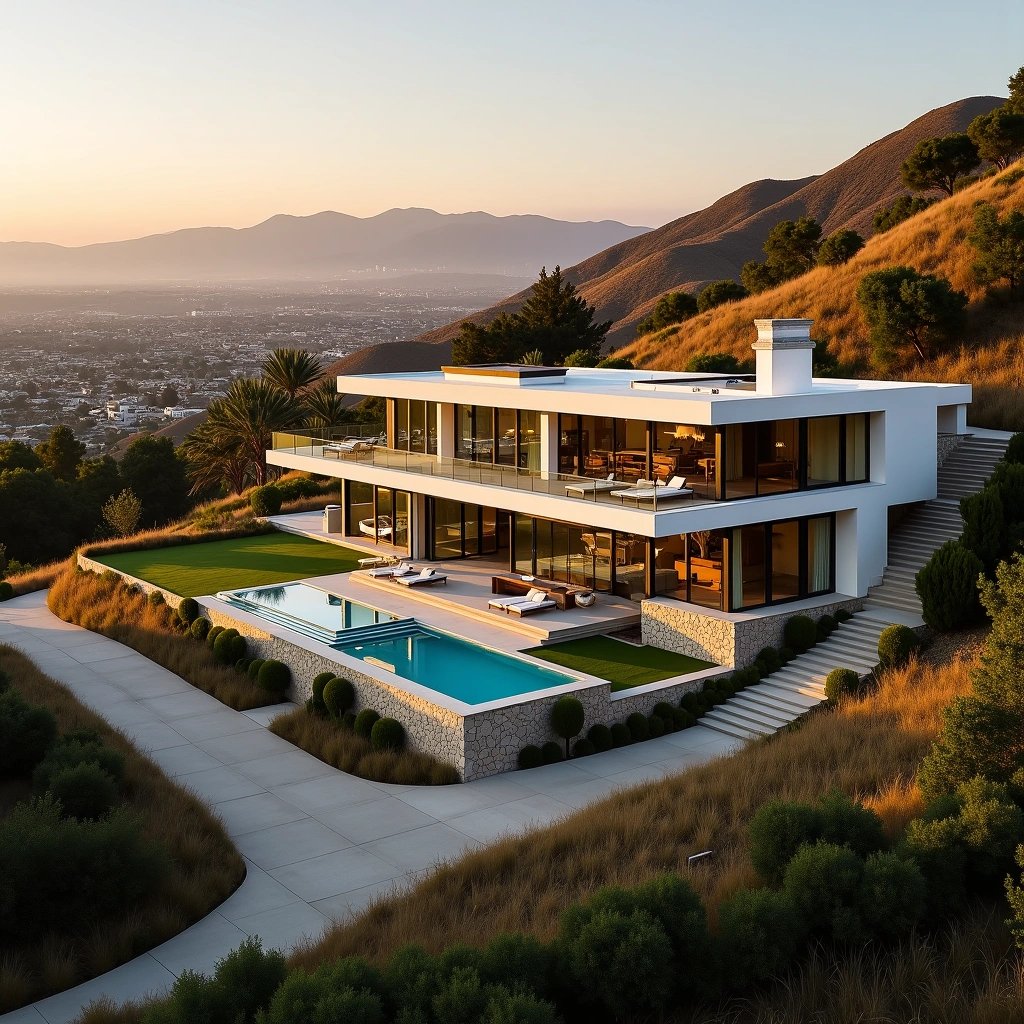
Neighborhood-Specific Timing and Seasonality Control Transaction Success

Image Source: Estate Properties
What Buyer Activity Patterns Show Across Los Angeles Luxury Markets
Los Angeles County luxury real estate does not follow the four-season pattern that dominates national residential cycle commentary. Most years see Q1 carry the strongest transaction volume. New listings enter the market heavily in February and March. Q2 represents the inventory peak. Maximum active inventory appears in most luxury submarkets, and the competitive dynamic produces many of the year's highest sale prices. Summer vacation timing removes a portion of the buyer pool, so Q3 softens. Meaningful price reductions cluster in July and August on properties that did not transact through spring. Unsold summer inventory withdraws to relist in Q1, so Q4 inventory thins. Trophy transactions often cluster in November and December, driven by year-end tax timing and cash transactions.
Why Launch Timing Matters More in Hidden Hills Than Downtown
Mid-April through late May lines up with relocations and life transitions that drive high-end moves in Hidden Hills. The median days on market reached 133, or about 4.5 months, in the latest data. Hidden Hills has shown resilience due to land scarcity and stringent zoning protections.
How Days-on-Market Signals Affect Perception and Leverage
A change from 150 to 90 days is meaningful in Hidden Hills terms. Bel Air showed median days on market of 61 as of April 2026. Homes sold for 6.78% below asking on average.
Comparison Table
Comparison Table: What Luxury Homeowners Wish They Had Known Five Years Before Buying in Los Angeles
List Item | Main Challenge | Money Impact | Key Statistics | What to Think About | Time Impact |
|---|---|---|---|---|---|
The True Cost of Ownership Goes Way Beyond the Purchase Price | Recurring expenses represent larger surprise than down payment; buyers focus on purchase price while underestimating ongoing costs | Annual carrying costs: 1-3% of purchase price for maintenance ($100K-$300K on $10M property); Property taxes ~1% of assessed value ($100K each year on $10M property); Insurance $4K-$7.5K in fire zones | Mansion Tax: 4% on $5M-$10M sales, 5.5% above $10M; HOA fees: $4,800-$14,400 per year; Security systems: $10K-$50K installation + $100-$500 monthly monitoring | Model total carrying costs before commitment; Include supplemental property tax in first year; Reserve 1-3% each year for maintenance | Deferred maintenance surfaces years later; Capital expenditures require long-term planning |
Off-Market Transactions in Bel Air and Pacific Palisades Operate on Different Rules | About 25% of luxury deals close without MLS entry; Limited visibility reduces buyer pool and potential competition | Off-MLS homes sold for median 1.5% less nationwide; California sellers gave up $30K+ in most cases; Luxury tier median discount: 0.4% | Mansion tax adds $5.5M on $100M property sales; CRMLS requires MLS entry within 1 business day if the property gets marketed to the public | Access depends on relationships and network reach; Privacy-focused decisions often matter more than financial gains; Requires trust and established connections | Properties may test market in private before public launch; Early access for connected buyers |
Fire Zone Designations Reshape Insurance and Resale Value | Major insurers stopped writing policies in Very High zones after 2023; FAIR Plan enrollment surged past 400,000 policies statewide | Premium gap each year: $20K-$50K between high and low zones; One Pacific Palisades premium jumped from $4,500 to $18,000 per year; 10-year insurance cost gap exceeds $200K | Over 1/3 of some areas in Very High zones; More than half of rural California (17M acres) in very high zones; 4.3% price drop within 300m of regulated boundary; 11% drop in areas with new expanded designations | Verify Fire Hazard Severity Zone before signing; Confirm insurance availability early; Sellers must disclose this information by law | Total cost difference exceeds $300K over 10-year hold when insurance and resale combine |
Pricing Strategy Determines Whether Your Home Sells or Sits for Months | The asking price at the start functions as market signal; Overpricing by 5-8% extends days-on-market past 90 days | Overpricing by 10%+ results in lower final sale price than correct starting price; Casa Encantada dropped from $350M to $245M to $195M; La Fin cut from $139M to $99.9M | 40% of expired listings priced using comps from different neighborhood tier; Median DOM stretches past 90 days when overpriced 5-8% | Smart pricing recognizes positioning spectrum; Early adjustment (30-45 days) causes less damage than 6-month wait | Properties sitting 120 days lose negotiating power; Price history signals weakness |
Neighborhood-Specific Timing and Seasonality Control Transaction Success | LA luxury doesn't follow national four-season pattern; Q1 carries strongest transaction volume | Q2 represents inventory peak with highest sale prices; Q3 softens with price reductions clustering July-August | Hidden Hills median DOM: 133 days (4.5 months); Bel Air median DOM: 61 days; Bel Air homes selling 6.78% below asking on average | Mid-April through late May works best for relocations in Hidden Hills; Q4 trophy transactions driven by year-end tax timing | Q1 new listings heavy in Feb-March; Q4 inventory thins as unsold summer inventory withdraws to relist Q1 |
Expert guidance on navigating Los Angeles luxury real estate markets:
Christina Pope
Sotheby's International Realty 310-404-9931 [email protected]
EliteResidenceInternational.com
Headlines don't drive luxury real estate in Los Angeles. Private conversations, timing and access shape it. The most meaningful transactions often unfold in quiet spaces, within trusted circles, where discretion carries as much weight as value. Visibility takes a back seat to precision for those who understand this world. Timing is everything.
Conclusion
The purchase decision represents only the beginning. Buyers who succeed in Los Angeles luxury markets understand that carrying costs, fire zone impacts, private network access, strategic pricing, and timing all shape long-term value more than the closing price itself. These factors determine whether a property becomes a sound investment or a costly misstep that surfaces years later. The right home makes all the difference for those who love to entertain. Christina Pope at Sotheby's International Realty would be delighted to help find spaces designed for sophisticated living and effortless hosting at 310-404-9931 or [email protected]. Informed decisions require understanding what insiders have known all along.
Key Takeaways
Los Angeles luxury homeownership demands far more financial planning than the purchase price suggests. Understanding the complete picture—from hidden costs to market dynamics—separates successful investments from expensive mistakes.
• Budget 1-3% of purchase price annually for maintenance alone—a $10M property requires $100K-$300K yearly reserves, plus property taxes (~$100K), insurance ($4K-$7.5K in fire zones), and potential $5.5M mansion tax on sales above $10M.
• 25% of luxury deals close off-market through private networks—accessing Hidden Hills, Bel Air, and Pacific Palisades opportunities before public listings requires established relationships, though off-MLS properties typically sell for 1.5% less nationwide.
• Fire zone designations now reshape insurance availability and resale value—properties in Very High zones face $20K-$50K higher annual premiums, with total cost differences exceeding $300K over 10 years and potential 4-11% price discounts.
• Overpricing by just 5-8% extends days-on-market past 90 days—luxury buyers recognize overpriced properties instantly, and waiting six months to adjust price causes more damage than early strategic corrections within 30-45 days.
• Q1 carries strongest transaction volume in LA luxury markets—February-March listings capture peak buyer activity, while Q2 inventory peaks produce highest sale prices and Q4 trophy transactions cluster around year-end tax timing.
The most successful luxury homeowners in Los Angeles understand that informed decisions require looking beyond the purchase price to evaluate total ownership costs, market access, risk factors, pricing strategy, and timing—factors that ultimately determine whether a property becomes a sound long-term investment.
FAQs
Q1. What ongoing costs should I budget for beyond my mortgage payment when buying a luxury home?
Beyond your mortgage payment, plan to set aside 1-3% of your home's purchase price annually for maintenance and repairs. For a $10 million property, this means $100,000-$300,000 per year. You'll also face property taxes (approximately 1% of assessed value in California), homeowners insurance ($4,000-$7,500 in fire-prone zones), potential HOA fees ($4,800-$14,400 annually), security systems ($10,000-$50,000 installation plus monthly monitoring), and utilities for large estates. Don't forget the Mansion Tax: 4% on sales between $5-10 million and 5.5% above $10 million.
Q2. How do off-market luxury home sales work in Los Angeles?
Approximately 25% of luxury deals in Los Angeles close without ever appearing on the Multiple Listing Service. These off-market transactions happen through private networks, office exclusives, and pocket listings shared only among select brokers and their clients. While this approach offers privacy and discretion, properties sold off-market typically sell for 1.5% less nationwide compared to publicly listed homes. Access to these opportunities depends heavily on working with well-connected real estate professionals who have established relationships in luxury markets like Bel Air, Pacific Palisades, and Hidden Hills.
Q3. How do fire zone designations affect property values and insurance costs in Los Angeles?
Properties located in Very High Fire Hazard Severity Zones face significantly higher insurance costs and potential resale challenges. The annual premium gap between high-zone and low-zone homes can reach $20,000-$50,000 or more. Over a 10-year period, the insurance cost difference alone can exceed $200,000, with total cost impacts (including resale value effects) exceeding $300,000. Research shows homes within fire-designated areas can experience price discounts of 4-11% compared to similar properties outside these zones.
Q4. What's the biggest pricing mistake luxury home sellers make?
Overpricing by just 5-8% can extend days-on-market beyond 90 days in luxury markets. When properties are overpriced by more than 10%, they typically sit longer and ultimately sell for less than if they'd been priced correctly from the start. Luxury buyers are experienced and recognize overpriced properties immediately. A home that sits for 120 days and requires price reductions signals weakness to the market and reduces negotiating leverage, often resulting in a lower final sale price than strategic initial pricing would have achieved.
Q5. When is the best time to list a luxury home in Los Angeles?
Los Angeles luxury real estate follows a distinct seasonal pattern. Q1 (particularly February and March) carries the strongest transaction volume with new listings entering the market. Q2 represents the inventory peak with maximum competition that produces many of the year's highest sale prices. Q3 softens as summer vacations remove buyers from the market, with price reductions clustering in July and August. Q4 sees inventory thin as unsold properties withdraw to relist in Q1, though trophy transactions often cluster in November and December driven by year-end tax timing.