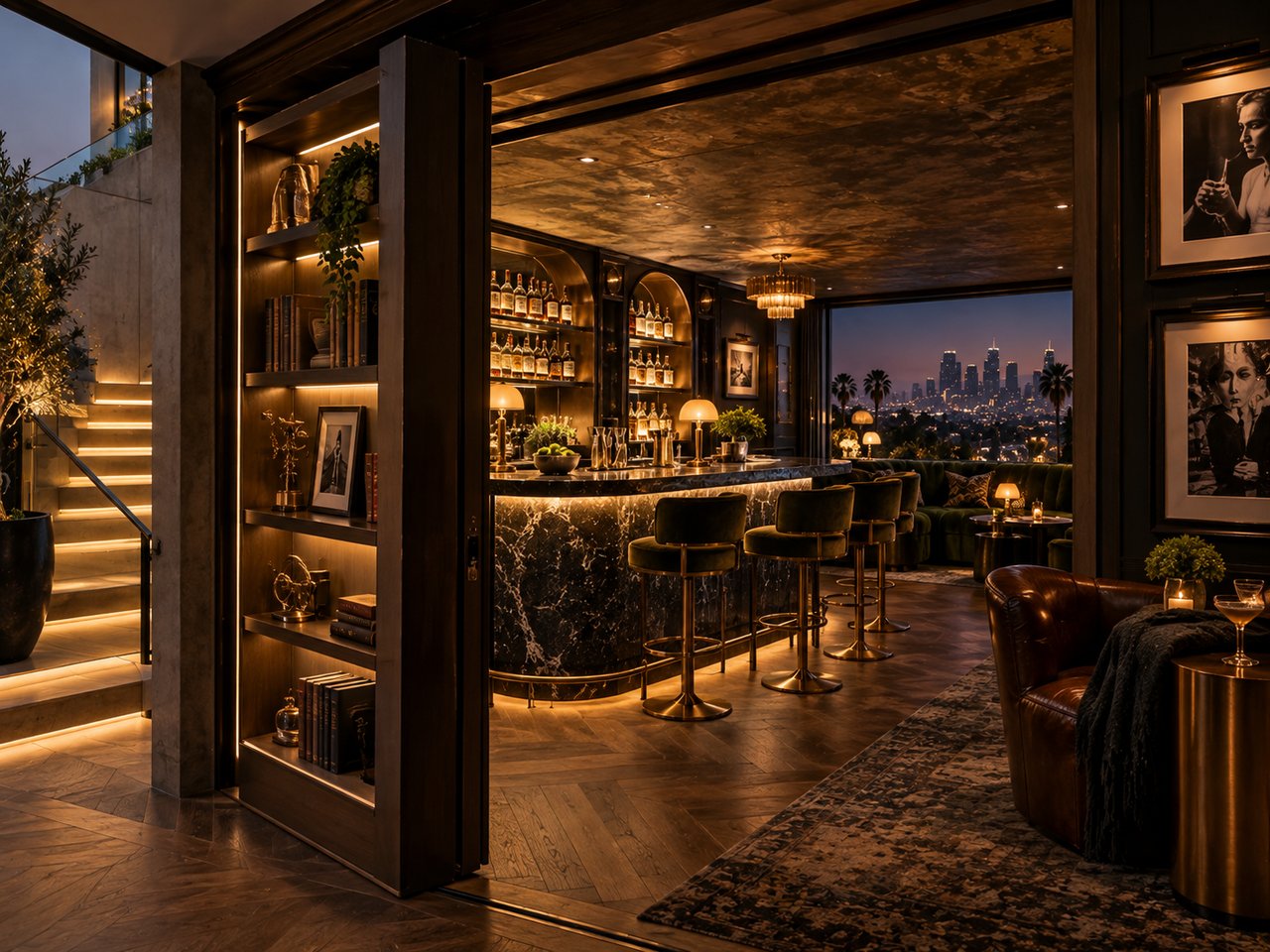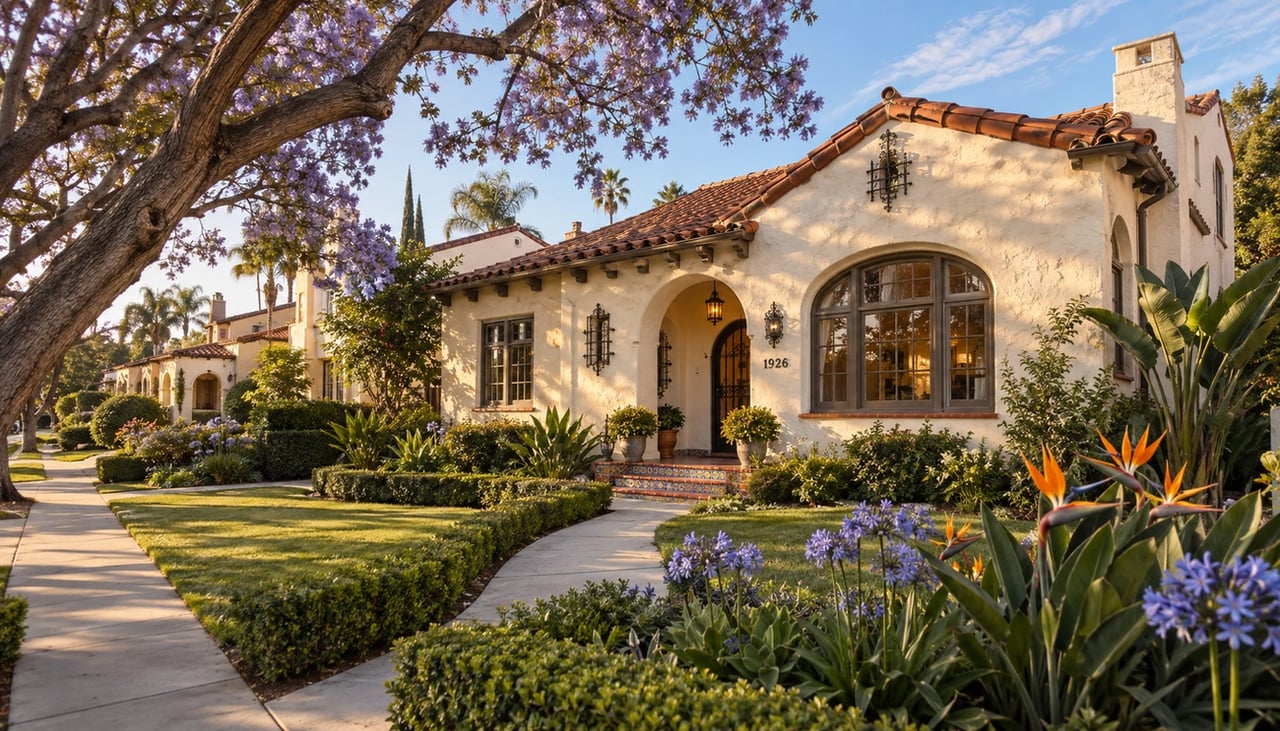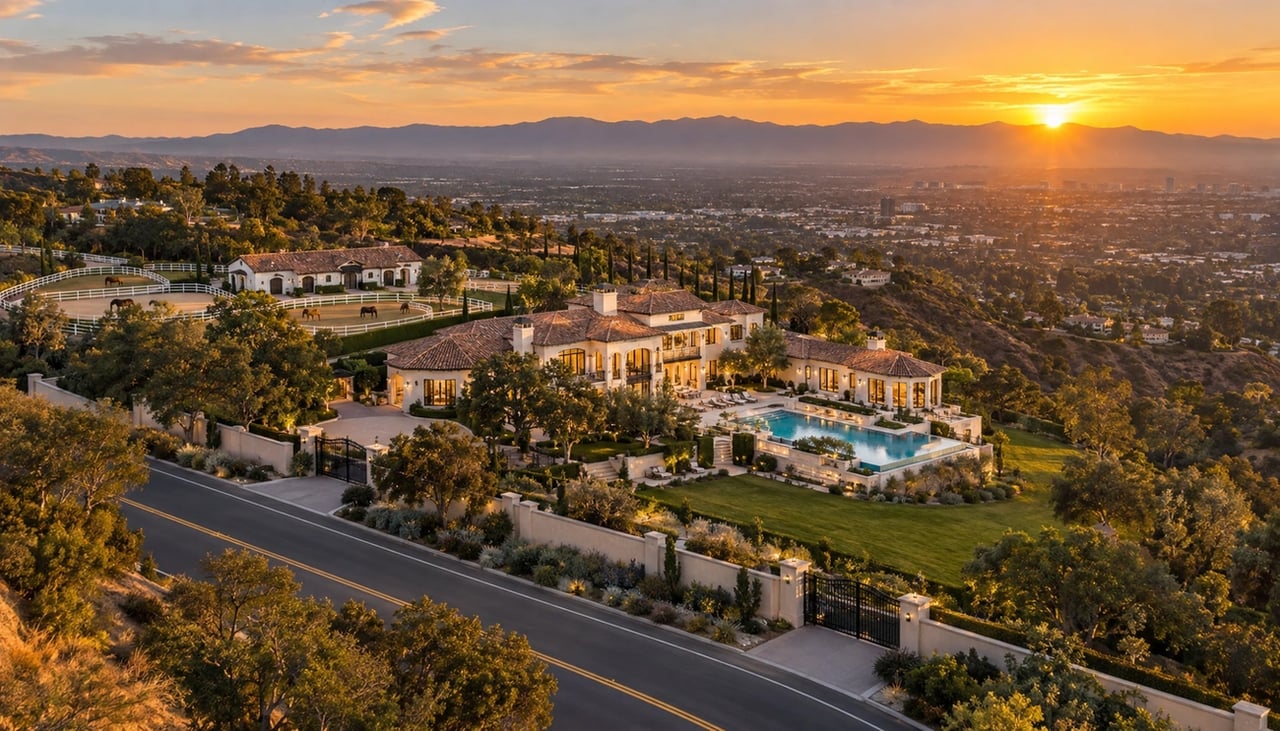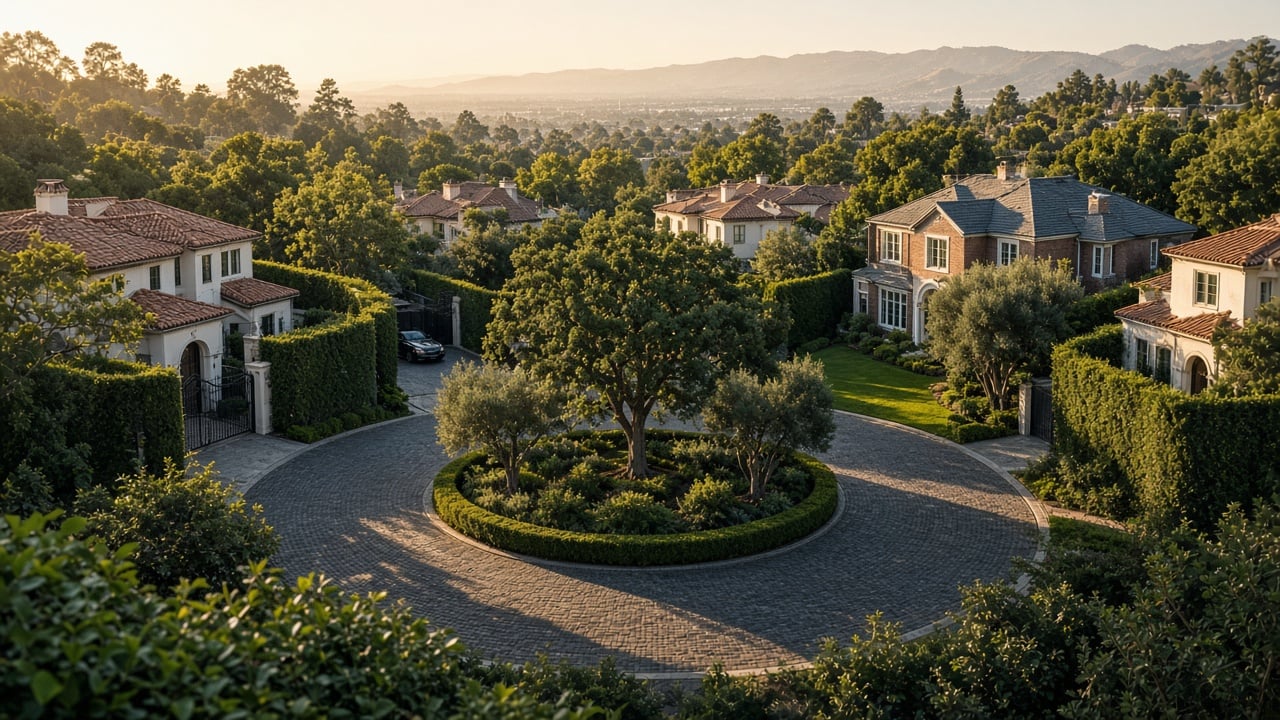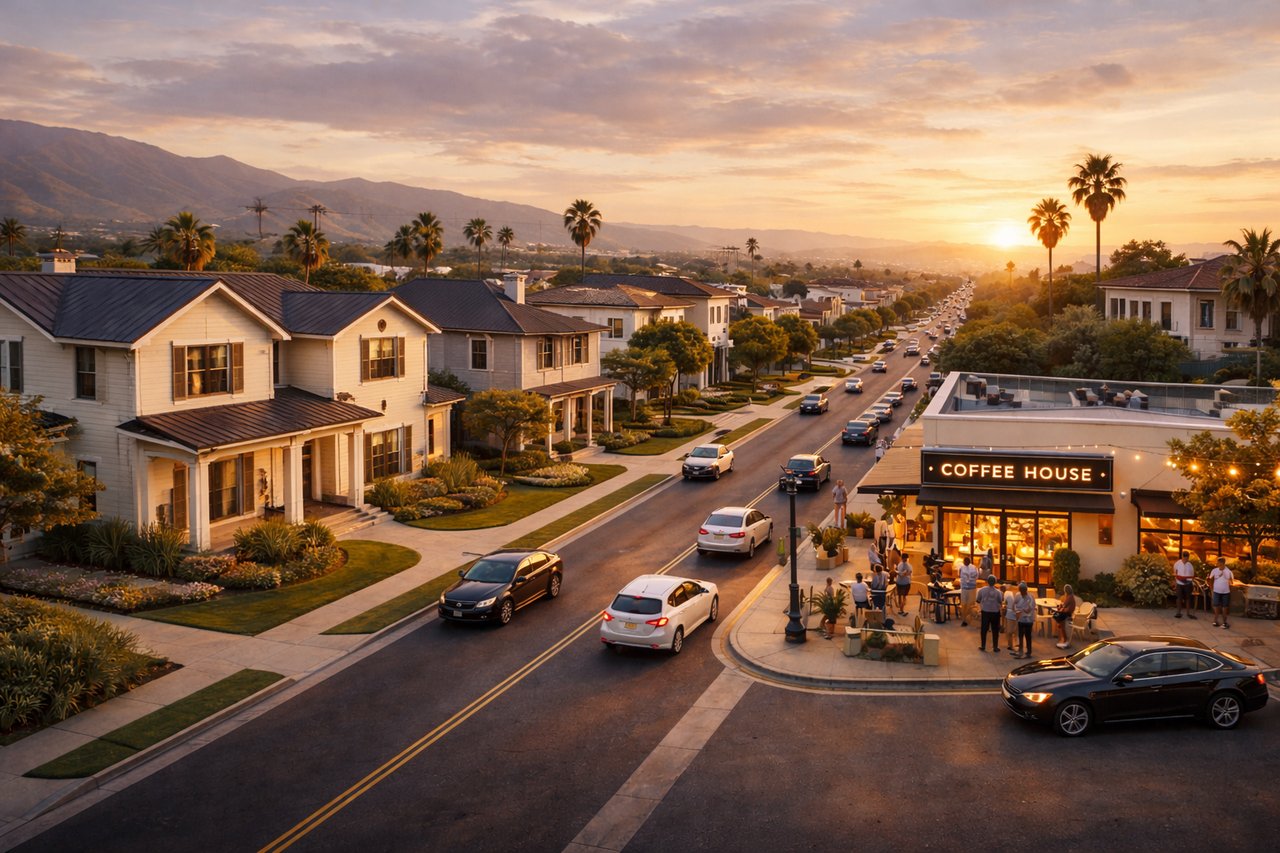
Homes in LA are selling faster at the time they're near coffee shops than at the time they offer extra square footage. Single-family homes with large lots are an LA rarity, and buyers place growing emphasis on lifestyle over sheer space. Most single-family homes in Los Angeles are close to or north of $1 million, yet the homes that sell fastest share a common trait: location that supports daily living, not just impressive dimensions. Luxury homes in LA and new homes in LA alike get reviewed through a different lens. Buyers seeking homes for sale in LA now prioritize walkability, community access, and neighborhood energy. This move reflects how remote work and evolving priorities have redefined property value in LA's competitive market.
The Data Behind LA's Coffee Shop Premium
Research from Zillow reveals a measurable connection between coffee shop proximity and property appreciation. Homes located within a quarter mile of a Starbucks appreciated by 96% over a 17-year period leading up to 2014, compared to 65% appreciation for homes located further away. Properties near Dunkin Donuts showed similar patterns, rising 80% over the same timeframe, though they lagged behind the Starbucks premium.
Homes Near Coffee Shops Sell 12-18% Faster
The appreciation advantage appears strongest during the first few years after a coffee shop opens. Zillow's chief economist found that Starbucks locations boost local home values within the original years of operation. The effect diminishes as neighborhoods mature. This timing matters for sellers positioning homes for sale in LA, as recent amenity additions create momentum that buyers recognize and respond to.
Price Per Square Foot Trends in Walkable Neighborhoods
Walkability commands concrete pricing premiums across LA's housing market. Each additional Walk Score point adds an average of $3,948, representing a 0.83% increase in sale price. The effect scales with existing walkability levels. A move from a Walk Score of 79 to 80 generates a $7,000 price jump, while a change from 19 to 20 adds just $181.
Walkability premiums reach $8,225 for homes in the top 5% of the price spectrum in LA's most expensive neighborhoods. Walkability adds nearly $82 per square foot to home values across property types. Fewer than 2% of active listings achieve a Walk Score of 90 or higher. This lack drives competition for luxury homes in LA and new homes in LA within pedestrian-friendly zones.
What Listing Data Reveals About Buyer Priorities
The numbers expose a fundamental move in how buyers review homes in LA. The city's overall Walk Score sits at 66.3. Neighborhoods offering scores above 88 attract buyers willing to pay premiums that exceed those for additional square footage. Proximity to coffee shops signals daytime population stability and community participation compared to sprawling layouts. Buyers recognize these areas as remote-work compatible, where professional infrastructure supports flexible schedules without sacrificing connection to neighborhood energy.
Why Location Beats Square Footage in Today's LA Market
The Move from Space to Lifestyle
The pandemic altered where and how people live and work fundamentally. Many buyers arranged their lives around office locations before, choosing smaller properties close to employment centers to minimize commute times. Remote work severed that constraint. Buyers stopped prioritizing proximity to corporate headquarters and started evaluating homes in LA through a lifestyle lens.
Because of this change, 41% of movers from central city areas relocated to suburban locales during the pandemic. They sought communities with better schools, open spaces and affordability. Population growth in these suburban areas influenced housing patterns as flexibility of remote work remained a driver. Fewer people felt tethered to urban office spaces, which meant they could prioritize lifestyle over proximity.
Remote Work Changed What Buyers Value
Home offices represented bonus features before the pandemic. Remote work transformed them into necessities. Buyers seeking homes for sale in LA now just need dedicated workspaces with quiet environments, functional layouts and reliable high-speed internet. Properties lacking these elements experience longer vacancies and higher turnover rates.
Research shows 79% of Americans rate walkability as important when choosing homes in LA, and 78% would pay more for a home in a walkable community. This preference intensifies among younger buyers: 90% of Gen Z and millennials indicate willingness to pay more for walkable homes, with a third stating they'd pay substantially more. Half of buyers prefer walkable communities and shorter commutes even if it means living in attached homes or accepting smaller yards.
Walkability Creates Long-Term Property Value
Each step up the walkability ladder adds $9 per square foot to office rents, $7 to retail rents and nearly $82 per square foot to home values. Neighborhoods ascending the walkability scale see average household incomes increase by $10,000 correspondingly. Buyers recognize that walkable neighborhoods for luxury homes in LA and new homes in LA create sustained interest, stronger appreciation and lifestyle fulfillment that square footage alone cannot deliver.
What Coffee Shop Proximity Really Signals to Buyers
Coffee shops function as markers for something buyers value beyond caffeine access. These establishments signal the presence of "third places" - gathering spots between home and work where community connections form through informal conversation and repeated interaction. Research that examined housing values across five Great Lakes states found a strong positive association between third-place establishments like coffee shops and property prices. The effect was strongest for eating and drinking venues in metropolitan areas.
Access to Daily Conveniences and Community
Mixed-use properties that integrate residential units with ground-floor retail create symbiotic relationships. Residents access coffee shops, restaurants and services without car trips. Ground-floor retail serves residents living above while attracting outside customers. This creates foot traffic patterns that commercial tenants find valuable. Morning coffee purchases from residents and office workers, lunchtime restaurant traffic, and evening dining generate multiple daily peaks. These patterns improve retail viability.
Neighborhood Energy and Social Connection
Walkable neighborhoods aid encounters where social ties strengthen through incidental sociability. Physical characteristics linked to reduced loneliness include walkability, access to amenities and neighborhood esthetics. Subjective perceptions show stronger associations than objective measurements. Neighborhoods that encourage casual interactions help residents feel they have access to third places. This improves perceptions of community quality of life.
Lower Car Dependency in Urban LA Living
Los Angeles adds more than 450,000 new housing units through 2029. Parking lots are replaced by mixed-use buildings throughout corridors from Downtown to Santa Monica. Mixed-use developments encourage walkability and reduce extensive car travel. This arrangement supports sustainability goals by lowering carbon emissions.
Investment Potential in Mixed-Use Areas
Mixed-use properties provide income diversification and cash flow stability through varied tenant types. Commercial renters often reimburse their share of property taxes and insurance costs. This helps offset expense growth. This renter mix creates balanced lease profiles that reduce operating expenses and improve net operating income for LA homes positioned within these developments.
How to Position Your LA Home for a Faster Sale
Sellers want useful strategies that match how buyers now review homes for sale in LA. Traditional feature lists no longer capture attention the way lifestyle narratives do. Buyers purchase experiences, not specifications.
Highlight Lifestyle Features Over Size Alone
Listing descriptions should emphasize how life unfolds within the space rather than counting rooms. Descriptions might highlight a dedicated home office to work from home, a wellness room, or indoor-outdoor entertaining flow rather than stating "5 bedrooms, 4 bathrooms." Buyers seeking luxury homes in LA respond to emotional resonance, not data points.
Marketing Walkability and Local Amenities
Listings gain traction when they showcase neighborhood lifestyle. Descriptions should specify: "Walk to your favorite coffee shop, boutique shops, and restaurants within minutes" rather than generic proximity claims. Including walkability scores and neighborhood ratings strengthens the buyer's connection. Photos of nearby parks or cafes help too.
Understanding Your Buyer Profile
Creating detailed buyer profiles makes targeted marketing possible that attracts serious questions rather than casual browsers. Sellers should identify whether their home appeals to young professionals valuing modern amenities and urban proximity, or families who care about schools and community spaces. This focus produces higher-quality showings and faster sales.
Pricing Strategy for Location-Driven Demand
Competitive pricing attracts buyers in walkable neighborhoods where demand justifies premium positioning. Value-based pricing accounts for location advantages and highlights specific benefits like desirable neighborhoods or proximity to amenities. Pricing below comparable properties can generate multiple offers and potentially drive final sale prices higher.
Conclusion
Square footage no longer drives the fastest sales in LA's housing market. Buyers prioritize neighborhoods that support daily routines, professional flexibility and genuine community connection. Properties near coffee shops and walkable amenities command premiums that reflect this fundamental change in how value is measured.
Sellers positioning homes in this changing market must market lifestyle rather than specifications. Those who understand what today's buyers value will see results that reflect changing priorities in luxury homes throughout LA and beyond.
Key Takeaways
LA's real estate market reveals a fundamental shift where lifestyle trumps square footage, with proximity to coffee shops and walkable amenities driving faster sales than larger homes.
• Homes near coffee shops sell 12-18% faster and appreciate 96% more over time compared to properties in car-dependent areas • Each Walk Score point adds $3,948 to home value, with walkable neighborhoods commanding $82 more per square foot • Remote work transformed buyer priorities from office proximity to lifestyle amenities like dedicated workspaces and community access • Coffee shop proximity signals "third places" for community connection, mixed-use convenience, and reduced car dependency • Sellers should market lifestyle experiences over room counts, emphasizing walkability scores and neighborhood amenities in listings
This trend reflects how modern buyers evaluate properties through a lifestyle lens, prioritizing daily convenience and community engagement over traditional metrics like square footage. Properties positioned near walkable amenities create sustained demand and stronger long-term appreciation in LA's competitive market.
FAQs
Q1. Why do homes near coffee shops sell faster than larger homes in LA? Homes near coffee shops sell faster because they signal walkable neighborhoods with daily conveniences, community connection, and lifestyle amenities that today's buyers prioritize over square footage. Properties within a quarter mile of coffee shops have historically appreciated 96% compared to 65% for homes farther away, and buyers increasingly value location-driven lifestyle over traditional size metrics.
Q2. How much does walkability actually add to home values in Los Angeles? Each Walk Score point adds an average of $3,948 to a home's sale price in LA, representing a 0.83% increase. In the most expensive neighborhoods, walkability premiums can reach $8,225 for top-tier properties. Overall, walkable neighborhoods command nearly $82 more per square foot compared to car-dependent areas.
Q3. What caused LA home prices to increase so dramatically in recent years? LA home prices surged due to a combination of limited housing supply, high demand from both local and international buyers, historically low interest rates, and the shift to remote work during the pandemic. The city's restrictive zoning laws and single-family home regulations have prevented sufficient new construction to meet demand, creating intense competition that drives prices upward.
Q4. How has remote work changed what homebuyers look for in LA properties? Remote work transformed home offices from bonus features into necessities, shifting buyer priorities from office proximity to lifestyle amenities. Buyers now seek dedicated workspaces, walkable neighborhoods with coffee shops and restaurants, and communities that support flexible schedules while maintaining social connection—making location and daily convenience more valuable than commute times or extra square footage.
Q5. How should sellers market their LA homes to attract buyers in today's market? Sellers should emphasize lifestyle features over room counts by highlighting walkability scores, proximity to coffee shops and local amenities, and neighborhood character. Marketing should focus on how life unfolds in the space—such as home office setups for remote work or easy access to community gathering spots—rather than just listing square footage and bedroom numbers.