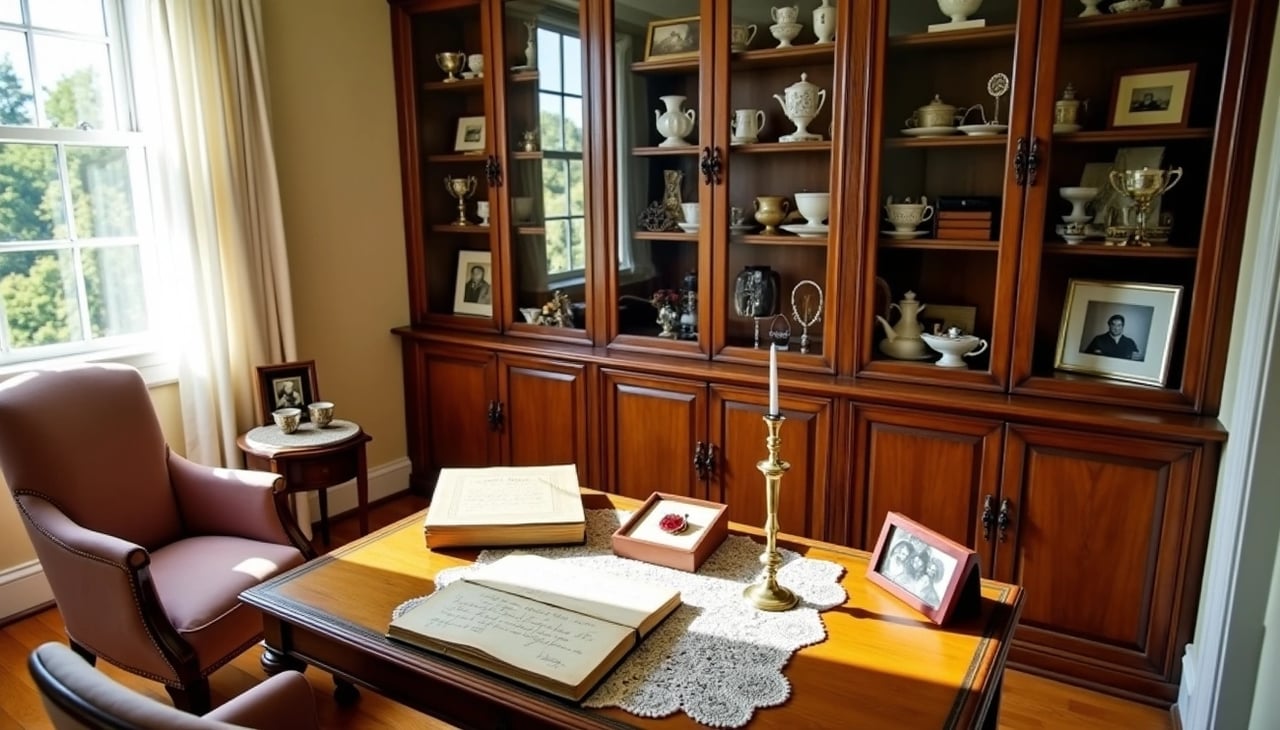
Family heirloom collections often end up in boxes labeled "MEMORIES," waiting for the next generation to claim them. Many families possess archives containing documents, photographs, heirlooms, scrapbooks, and recipes that reveal insights into past generations. These treasures typically remain hidden in attics or storage units, disconnected from daily life. Legacy rooms are shifting this pattern by redefining how families display and interact with their heritage. These dedicated spaces move family heirloom storage from concealment to celebration, making family heirloom meaning visible through thoughtful presentation. Families are discovering fresh family heirloom ideas that showcase everything from family heirloom jewelry to furniture, creating living connections across generations rather than static collections gathering dust.
What Legacy Rooms Are and Why They're Replacing Traditional Storage
From Hidden Storage to Living Display Spaces
Attics, garages, and off-site storage units have served as default locations for family heirloom storage for decades. Professional climate-controlled facilities offer preservation benefits, creating stable environments that protect against temperature fluctuations and humidity. These spaces keep objects safe but render them invisible. Families can go years without seeing their heirlooms, losing touch with the stories and connections these items represent.
Legacy rooms operate on a different principle entirely. These dedicated spaces bring heirlooms into the home's active areas, making them part of daily life rather than seasonal discoveries during spring cleaning. Rather than relegating items to mere decoration, legacy rooms weave them into everyday experiences. This shift changes how families interact with their heritage, moving from occasional remembrance to continuous connection.
The Shift in How Families Value Heirlooms
American families are experiencing a cultural transformation in how they perceive inherited objects. Baby boomers once started family wars over heirloom distribution, fighting for china sets and silver tea services. Today, Gen Xers and millennials often decline these same items, sending them to thrift shops instead. The objects themselves haven't changed, but how people assign meaning to possessions has evolved completely.
Heirlooms carry four distinct types of value. Sentimental value connects objects to specific memories and life events. Practical value provides functionality that serves everyday needs. Monetary value offers financial security and potential appreciation over time. Social value relates to how others perceive the quality and prestige of certain items. Legacy rooms address all four value types by making heirlooms visible, accessible, and integrated into family life.
What Makes a Space a Legacy Room vs. Storage
Storage prioritizes preservation through isolation. Legacy rooms prioritize preservation through engagement. The distinction lies in purpose and accessibility. Storage keeps items safe from damage. Legacy rooms keep stories alive through display.
A legacy room functions as a curated space where family history becomes tangible. These rooms showcase heirlooms as repositories of memories, stories, and traditions passed down through generations. The space connects past and present, creating continuity that turns a house into a home. Families honor their history while infusing their living spaces with character and authenticity through the prominence given to inherited items.
Why More Families Are Creating Dedicated Legacy Rooms
Making Family History Visible in Daily Life
Heirlooms displayed throughout the home quietly reinforce a family's unique story and the values it holds dear. When a grandmother's rocking chair sits in a legacy room rather than storage, children see it daily. They ask questions. Parents share how it comforted several generations. This visual presence creates conversation starting points that might otherwise disappear over time.
Family history woven into home design through displayed heirlooms, photographs, and artwork provides daily reminders of heritage. These tangible treasures carry the weight of tradition, love, and connection. Holding an heirloom transports people back in time, connecting them with ancestors through touch, smell, and visual memories.
Preserving Stories Behind Objects, Not Just Objects
An old baby dress hanging in a closet means nothing without the story behind it. Family members won't understand or value a family heirloom's importance if the story goes untold. Sharing stories about special objects helps family members understand the past and appreciate another side of their family.
Every heirloom carries a story, and these stories become part of a family's legacy. They provide links between generations, allowing understanding and appreciation of the challenges, triumphs, and experiences of those who came before.
Creating Connection Points for Multiple Generations
Heirlooms bring family members closer together, creating continuity and shared experiences. The act of passing down an heirloom signifies trust, love, and belief in the importance of family history. When a grandparent passes down jewelry to their grandchild, they give not only a physical object but also a part of themselves.
Dedicated spaces for family gatherings and celebrations help keep traditions alive. These designated areas for shared experiences and rituals strengthen family bonds and create lasting memories.
Solving the Problem of Scattered Family Heirloom Collections
When a person dies, belongings typically divide among family members, get given away, or sell at estate sales. The historic connections between items and family members become severed forever. Legacy rooms solve this fragmentation by keeping collections together, maintaining context that gives artifacts their historical meaning.
How to Design and Organize a Family Legacy Room
Choosing the Right Space in Your Home
Cherished items belong in spaces you live in and use. Attics and basements create problems with moisture, temperature extremes, and pests. Interior closets, spare rooms, or dedicated areas within living spaces provide better control. Temperatures stable around 68-70 degrees work best. Valuable items should sit at least a foot off the floor in case of flooding.
Display Methods That Protect and Showcase Heirlooms
Museums rotate displays, showing valuable pieces six months on display and six months in storage to prevent overexposure. Acid-free materials protect photos, documents, and textiles. Direct sunlight causes fading and fiber breakdown. Glass boxes offer full visibility while protecting items. Small rotating displays keep heirlooms safe from long-term light and dust exposure.
Organizing by Family Line, Time Period, or Object Type
Items group well by category (jewelry, furniture, books), generation, or family line. Time period organization works well for historical context. Most families benefit from combining methods, using room-based documentation for completeness while organizing by category for easy searching.
Including Documentation and Stories with Each Display
Photograph each item from 3-5 angles. Include provenance details, dates, and locations. Story tags on cards provide background information about who owned items and when they were used. A legacy binder stores memories for future generations.
Balancing Family Heirloom Jewelry with Larger Pieces
Jewelry displays beautifully on trays, stone slabs, or in glass cases. Velour dividers keep pieces safe in individual slots. Fabric-backed frames work well for pins and pendants. For those who love to entertain, the right home makes all the difference. If you're considering a purchase in the near future or beginning your search, I'd be delighted to help you discover spaces designed for elevated living and effortless hosting. Christina Pope 📞 310-404-9931 ✉️ [email protected]
Real Family Heirloom Examples and Legacy Room Ideas
Traditional Heirloom Displays: Furniture and Textiles
Textiles require careful consideration for proper display. Framing showcases handwork while acrylic box frames reveal texture and dimension. Shadow boxes work well for shaped items like lace gloves or christening gowns, providing necessary depth for three-dimensional pieces. Acid-free matboard or cotton fabric linings prevent deterioration. Sewing textiles to cloth backings eliminates adhesive damage that can permanently discolor delicate fabrics.
Family Heirloom Jewelry Display Solutions
Pins and pendants become visible art through fabric-backed frames. Upholster frame backing with batting and fabric, then pin jewelry directly to the surface. Glass boxes protect necklaces and bracelets from dust while maintaining visibility. Small dishes and trays serve frequently worn pieces, keeping items separated to prevent tangling and damage.
Photo and Document Integration
Floating frames preserve rough paper edges, adding character to vintage documents. Pairing framed photos with small keepsakes creates meaningful family timelines. Stacking two photos a few inches apart draws attention and expands perceived wall space. Digital copies protect originals while offering display flexibility across different materials and locations.
Recipe Books and Handwritten Letters as Display Elements
UV laminating film protects handwritten recipes from fading during display. Hot iron application with pressing pouches adheres protective film without professional equipment. Glass boxes hold letters and postcards as treasured displays. Hanging recipes beside the stove keeps culinary traditions alive in daily cooking routines.
Creating Rotation Systems for Large Collections
Museums rotate pieces with six months on display and six months in storage. A tiered approach works best: core pieces (20%) for yearly display, primary rotation items (40%) on three-year cycles, and fragile pieces (25%) on four-year cycles with mandatory condition assessments.
Conclusion
Legacy rooms turn family heirlooms from forgotten storage items into living connections that bridge generations. These spaces preserve not just objects but the stories and memories that give them meaning. Creating a dedicated legacy room turns a house into a repository of family history that children and grandchildren can experience daily. For those who love to entertain, the right home makes all the difference. Christina Pope can help discover spaces designed for elevated living and effortless hosting at 310-404-9931 or [email protected].
Key Takeaways
Legacy rooms are revolutionizing how families connect with their heritage by transforming hidden heirloom storage into living displays that preserve both objects and stories for future generations.
• Transform storage into living spaces: Move family heirlooms from attics and storage units into dedicated rooms where they become part of daily life and conversation.
• Preserve stories, not just objects: Include documentation, photos, and story cards with each display to maintain the historical context that gives heirlooms their true meaning.
• Create multi-generational connection points: Legacy rooms serve as gathering spaces where grandparents can share family history and children can interact with their heritage regularly.
• Use proper preservation techniques: Display items in climate-controlled interior spaces using acid-free materials, UV protection, and rotation systems to prevent damage while maintaining visibility.
• Organize strategically for maximum impact: Group heirlooms by family line, time period, or object type, and balance jewelry displays with larger pieces using glass cases and protective frames.
When designed thoughtfully, legacy rooms solve the problem of scattered family collections while creating meaningful spaces that honor the past and strengthen family bonds across generations.
FAQs
Q1. Why are family heirlooms important to preserve? Family heirlooms serve as tangible reminders of our roots and keep the memories of our ancestors alive. They represent the bonds, traditions, and values that have been cherished by previous generations, creating connections between past and present family members.
Q2. What makes a legacy room different from traditional storage? Unlike traditional storage that keeps items hidden and isolated, a legacy room brings heirlooms into active living spaces where they become part of daily life. Legacy rooms prioritize engagement and storytelling rather than just preservation, making family history visible and accessible to all generations.
Q3. Where is the best place in your home to store and display heirlooms? The best locations are interior spaces you actively use, such as spare rooms, interior closets, or dedicated areas within living spaces. Avoid attics and basements due to moisture, temperature extremes, and pests. Keep temperatures stable around 68-70 degrees and store valuable items at least a foot off the floor.
Q4. How can you protect heirlooms while keeping them on display? Use acid-free materials for photos and documents, avoid direct sunlight that causes fading, and consider glass boxes for full visibility with protection. Implement rotation systems similar to museums—displaying items for six months then storing them for six months to prevent overexposure to light and dust.
Q5. What types of items work well in legacy room displays? Legacy rooms can showcase various heirlooms including furniture, textiles, jewelry, photographs, handwritten letters, and recipe books. Display methods range from shadow boxes for three-dimensional items to fabric-backed frames for jewelry, and UV-protected cases for documents and letters.