The Shift in Luxury Real Estate Priorities
Interior Square Footage to Outdoor Living
Buyer priorities have undergone a fundamental realignment. National Association of Realtors data shows 53% of buyers now list outdoor living space as a top priority. This represents a departure from traditional luxury markers like mansion-scale interiors or acreage, which saw declining search interest throughout 2025.
The numbers tell a clear story. Consumers forced to choose a single feature selected outdoor spaces as their most desired element 23% of the time. Renters showed even stronger priorities, with 26% ranking outdoor living as their top choice. Generational patterns reveal Boomers and Gen Z both prioritize outdoor spaces above other features, while Millennials place it second only to all-electric capabilities.
Indoor-outdoor living has become the defining trend of 2026. The design world stopped treating backyards as afterthoughts. Homeowners now expect dedicated zones for cooking, dining and lounging that function as true extensions of interior space. Outdoor areas that are planned well can increase a home's value by 10% to 15%, with patios alone delivering an ROI exceeding 80%.
How High-End Markets Are Responding
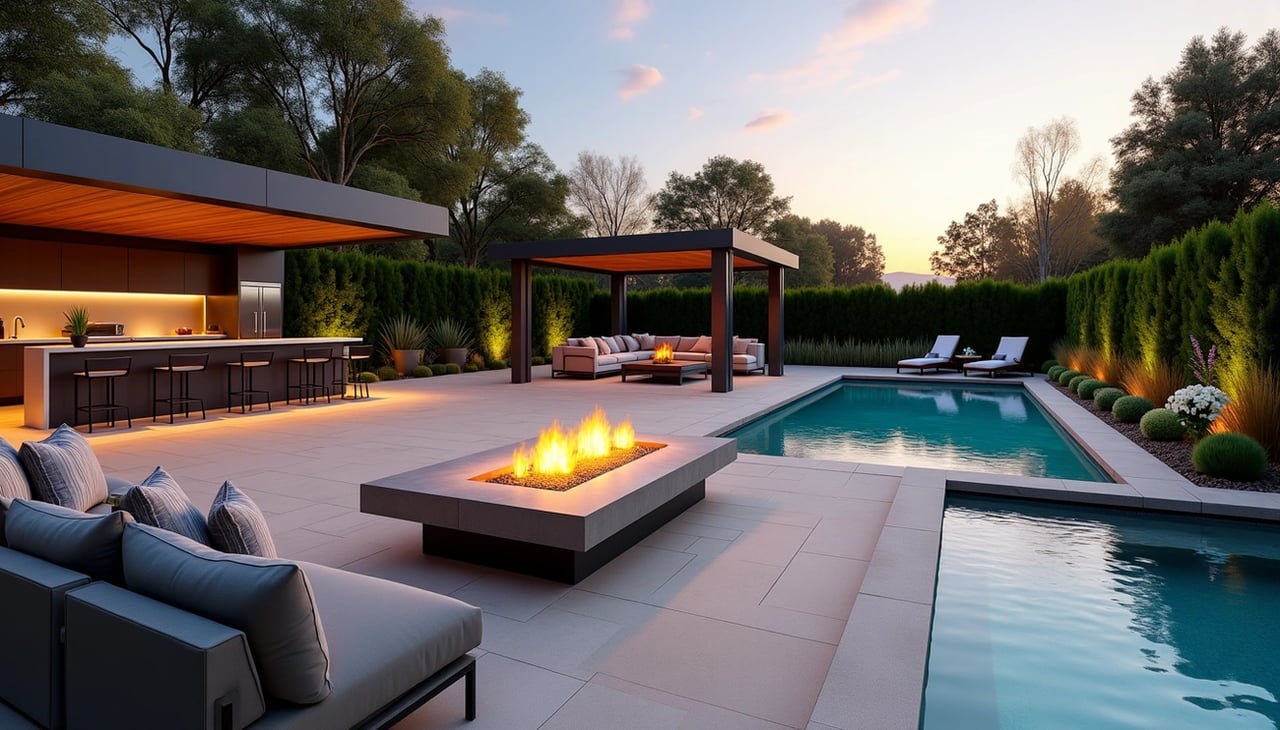
Markets of all price points have adapted their offerings. Outdoor kitchens evolved from occasional amenities to expected features in high-end properties. The 2026 standard includes dedicated prep zones, weatherproof cabinetry, premium appliances, built-in refrigeration and cocktail bars. Professional-level equipment like ovens, grills, smokers and pizza ovens have become baseline expectations, and outdoor dishwashers are now common.
Covered patios address year-round usability concerns. Ceiling fans and gas heaters represent minimum standards, but buyers request mini splits or dedicated outdoor HVAC zones more often. A covered patio with a fireplace often delivers more lifestyle value than a larger uncovered deck that sits unused during shoulder seasons.
The change reflects changing definitions of luxury itself. Feature lists no longer drive decisions. Buyers care about experience: how the space feels, whether it offers privacy, if it supports their lifestyle beyond a few summer months. Luxury has moved from display to comfort and from performative to personal.
Pools illustrate this progress. Buyers expect resort-level amenities including gunite construction, tanning ledges, bubblers, fountains and LED lighting. Sophisticated audio and vision systems, ranging from $10,000 to over $100,000, bring entertainment and relaxation capabilities outdoors.
The Role of Privacy in Modern Luxury
Privacy has emerged as a defining element of high-end outdoor design. Gated communities attract buyers seeking additional security layers. Waterfront properties with private docks command premiums, with buyers paying a lot more for direct water access.
Urban markets show especially strong interest in private outdoor spaces. One 2022 study found 56% of homeowners reported creating indoor spaces outdoors as a top priority. Rooftop gardens in luxury high-rises, private terraces with hot tubs and fire pits, and courtyards with water features provide the seclusion high-end buyers expect.
Privacy design extends beyond physical barriers. Landscaping and architectural elements create secluded retreats that offer security without sacrificing elegance. The goal centers on zones of intimacy and shelter rather than complete enclosure. Soundscaping through water features and strategic plantings makes spaces feel peaceful, not just private to the eye.
Core Elements of Modern Luxury Backyard Ideas
Design execution separates functional backyards from exceptional ones. The difference lies not in feature counts but in how elements work together to create cohesive environments that rival interior spaces in comfort and utility.
Smooth Indoor-Outdoor Transitions
Architectural planning establishes the foundation for true indoor-outdoor living long before construction begins. Site analysis explores sun position, wind patterns, natural grade and surrounding views to maximize exposure while providing protection. U-shaped and L-shaped floor plans prove effective, especially when you have central courtyards or pools framed and sheltered by the home itself.
Pocketing or telescoping doors represent one of the most effective elements in luxury outdoor design. These expansive openings allow entire glass walls to disappear and connect great rooms, dining spaces and kitchens with exterior areas. Flush thresholds paired with matching ceiling treatments make transitions feel effortless.
Material continuity reinforces visual flow. Extending similar flooring from interior spaces onto patios creates uninterrupted visual planes. Porcelain tiles mimicking natural stone or wood offer both esthetic alignment and functional benefits including durability and maintenance ease. Color schemes carried from inside to outside establish visual connections as simple as matching wall hues with outdoor textiles.
Multi-Functional Outdoor Rooms
High-end outbuildings now house guest bedrooms, living rooms, dining areas, painting studios and saunas. Backyard visits transform into mini vacations. Hidden storage cabinets in garden rooms conceal TV screens, pullout desks and storage for pillows and blankets. Flexible furniture for seating and sleeping helps outbuildings accommodate changing needs.
Enclosed outdoor dining rooms with wood-fire grills enable year-round use whatever the weather conditions. Garden offices with cedar paneling and sliding glass doors provide dedicated working spaces separate from the main residence. Open-air day beds partially enclosed by walls and ceilings create lounging spots that work throughout seasons in temperate climates.
Water Features and Natural Elements
Water features serve as focal points while creating ambient sound and improving air quality. Eco-pond systems mimic natural ecosystems using biofilters, aquatic plants and fish for natural filtration with minimal chemical intervention. Water walls offer sophistication in materials like stainless steel, natural stone or tempered glass with vertical designs that require minimal space.
Placement matters to maximize benefits. Fountains positioned in outdoor living areas or social spaces where people gather amplify the movement and sound effects. Tucking features into garden rooms or planted borders creates surprise moments within landscaping.
Professional-Grade Outdoor Kitchens
Stainless steel cabinetry has become the standard for outdoor kitchen construction. Manufacturers engineer cabinets to withstand extreme weather from winter snow to summer heat. Powder coating provides weather resistance and rust prevention while offering 50+ color options. Components get painted before assembly and eliminate direct environmental exposure to stainless steel.
Cabinet systems accommodate any manufacturer's appliances including grills, smokers, side burners, sinks and bartending units. Standard dimensions include 9" to 48" widths in 3" increments, 27 7/8" depth including doors, and 30" box height with adjustable legs. Soft-close hinges, magnetic closures and rain gaskets come standard on residential installations.
Integrated Lighting and Audio Systems
Outdoor audio systems use waterproof wiring and gold-plated connectors engineered to withstand corrosive elements while ensuring reliable sound performance. Speakers feature sleek designs that blend with landscapes, with options for in-ground installation that provide optimal low-end balance. Above-ground installations work well on decks or pergolas.
Streaming systems enable easy management of speaker zones on large properties using smart devices. Weather-proof amplifier compartments house control systems. Subwoofers buried into landscapes soften bass overflow and produce natural deep tones.
Landscape Architecture and Plant Selection
Plant selection follows a systematic process that explores function, esthetics, site adaptability and management. Plants serve architectural functions by defining floors, walls and ceilings of outdoor rooms. They establish boundaries, control visual and physical access, and highlight or mask architectural features.
Site conditions determine plant viability: light availability and intensity, water quantity and quality, wind exposure, temperature extremes, soil type and drainage, hardiness zones, and competition from existing vegetation. Resistant species or cultivars reduce maintenance requirements and avoid preventative control applications. Matching plants to existing growing conditions proves more effective than attempting to modify sites for unsuitable species.
Why Luxury Modern Backyard Design Matters for Homeowners
Wellness research provides quantifiable evidence for outdoor space investments beyond esthetic or market considerations. A systematic review to explore 143 studies found greenspace exposure associated with decreased salivary cortisol, reduced heart rate by 2.57 beats per minute, and lowered diastolic blood pressure by 1.97 points. The same analysis showed decreased risk of Type II diabetes by 28%, all-cause mortality by 31%, and cardiovascular mortality by 16%.
Health and Wellness Benefits
Mental health improvements stem from multiple mechanisms. Natural environments lower cortisol levels and reduce stress while promoting relaxation. Sunlight and fresh air boost serotonin production, which enhances mood and overall well-being. Cognitive function benefits include improved attention and memory retention, making outdoor spaces suitable for focused work or study.
Physical activity increases when outdoor areas become available. Regular movement in these spaces reduces depression and anxiety symptoms while boosting self-esteem. Sunlight exposure provides Vitamin D, which supports bone health and immune function. The biophilic design concept connects built environments with natural elements and produces measurable wellness effects that the National Institute of Health recognizes.
Entertainment and Social Value
Outdoor spaces deal with indoor entertaining limitations, especially when you have homes without open floor plans. Recent market data indicates outdoor entertaining areas can lift property values by 10-12%. The psychological benefits extend beyond space expansion. Circular seating arrangements around fire pits or coffee tables create more inviting environments compared to side-by-side configurations.
These spaces aid social interaction and contribute to mental well-being, which reduces loneliness and provides emotional support. Post-pandemic patterns show sustained interest in outdoor gathering areas that combine style with functionality.
Extended Living Space
Backyard areas function as additional rooms when well-laid-out, whatever pool or covered patio presence. Access from interior spaces to outdoor zones increases usable square footage without expanding the home's physical footprint. This proves valuable for smaller residences or properties lacking generous indoor entertaining areas.
Year-Round Usability
Overhead coverage through pavilions, pergolas, or roof extensions provides shelter and enables use during rain, intense sun, or falling leaves. Fire features extend yard functionality into cooler months while creating gathering focal points. Lighting systems play vital roles during short winter days or extended summer evenings and offer both beauty and practicality. Layered planting strategies ensure color and texture across all seasons rather than limiting appeal to spring months.
The Financial Impact of Luxury Outdoor Spaces
Financial returns on luxury outdoor spaces have become quantifiable assets rather than speculative improvements. Properties with professionally designed outdoor environments command measurable premiums. Strategic landscaping increases home values by 10% to 15% compared to properties lacking these features.
Premium Pricing in Luxury Markets
High-end outdoor features generate substantial value differentiation. Outdoor kitchens in premium markets can yield returns between 100% to 200% of installation costs, especially when attracting high-net-worth buyers who view these amenities as luxury necessities. Patios demonstrate exceptional cost recovery and recoup up to 95% of installation expenses. Wood decks follow with 89% cost recovery rates.
Well-designed landscaping creates immediate market positioning advantages. HomeLight data indicates more than three-quarters of leading real estate agents report that outdoor spaces boost property values by 1% to 10% when executed properly. This pricing differential stems from buyer perception shifts. Outdoor environments now contribute heavily to whether homes feel welcoming and refined from the first viewing.
Long-Term Investment Value
Luxury outdoor spaces deliver sustained financial benefits that extend beyond immediate resale metrics. Covered outdoor living structures yield ROI between 60% to 80% according to real estate and landscaping professionals. Fire pits and outdoor entertainment features offer up to 78% ROI.
Maintenance reduction amplifies long-term value. Properties with thoughtfully designed outdoor areas prevent costly repairs by avoiding tree root damage, hardscape erosion, and irrigation failures. Premium materials like composite decking eliminate annual sealing, staining, or painting requirements and reduce upkeep expenses over time.
Cost Considerations and Budget Planning
Complete luxury outdoor projects start at $45,000. Enhancements increase totals faster. Outdoor kitchens range from $10,000 to $30,000 depending on appliance selections and design complexity. Gas fireplaces and fire pits add $3,000 to $10,000. Landscaping investments span $3,800 to $15,000 based on yard size and project scope.
Material selection impacts both original costs and long-term ownership expenses. Poured concrete offers affordability, while natural stone and high-end wood command premium pricing but deliver superior longevity.
Strategic Considerations for Buyers and Sellers
High-end real estate transactions in luxury backyard markets rarely unfold through public listings. Most deals happen through private networks where timing and discretion matter more than visibility. Properties with outdoor spaces attract buyers who understand that precision trumps publicity.
Evaluating Quality and Craftsmanship
Materials reveal long-term value. Stainless steel outdoor kitchens, composite decking, and engineered hardscaping indicate professional installation rather than cosmetic upgrades. Weatherproofing details and drainage systems separate permanent installations from temporary amenities.
Understanding Market Comparables
Luxury real estate amplifies economic conditions. Premium properties can appreciate 30-50% within months during market surges, while downturns trigger corrections where $10 million estates lose 40% of value. Standard markets see 10-15% adjustments. Typical homes sell within 30-90 days, but high-end properties can remain listed for years when timing falters.
Working with Specialized Real Estate Professionals
Agents tracking global wealth patterns and tax policy shifts provide advantages beyond market knowledge. Christina Pope with Sotheby's International Realty offers access to properties where luxury outdoor spaces define lifestyle value. The right home makes all the difference for those who love to entertain. If you're thinking about a purchase in the near future or beginning your search, I'd be delighted to help you find spaces designed for refined living and effortless hosting. Christina Pope  310-404-9931
  [email protected]
Timing and Market Conditions
Luxury backyard acquisitions that succeed require surgical timing. Thin buyer pools mean sentiment shifts can render properties unmarketable at reasonable prices. Smart investors monitor wealth creation cycles rather than mortgage rates.
Conclusion
Luxury backyard spaces have evolved from optional amenities to lifestyle features that define a property's value in high-end markets. Buyers who understand this move recognize that outdoor living extends beyond esthetics and delivers measurable wellness benefits and financial returns. The most exceptional properties appear on public listings rarely. Transactions unfold through private networks where timing and discretion matter most. Christina Pope with Sotheby's International Realty offers access to homes where outdoor spaces create raised living experiences. Strategic guidance makes the difference to buyers seeking properties designed for effortless entertaining and year-round enjoyment.
310-404-9931 | [email protected] | EliteResidenceInternational.com
Key Takeaways
The luxury real estate market has fundamentally shifted, with outdoor living spaces now driving buyer decisions and property values in ways that redefine modern luxury.
• Outdoor spaces are now buyer priority #1: 53% of buyers list outdoor living as their top priority, representing a fundamental shift from traditional luxury markers like interior square footage.
• Professional outdoor kitchens deliver 100-200% ROI: High-end outdoor amenities generate substantial returns, with patios alone recouping up to 95% of installation costs.
• Seamless indoor-outdoor design defines luxury: Telescoping doors, material continuity, and architectural planning create true living extensions rather than separate outdoor areas.
• Privacy and wellness drive premium pricing: Properties with secluded outdoor retreats command 10-15% value premiums while delivering measurable health benefits including reduced cortisol and improved cardiovascular health.
• Strategic timing matters in luxury markets: Most exceptional properties with luxury outdoor spaces sell through private networks, requiring specialized agents who understand wealth patterns and market timing.
The transformation reflects changing definitions of luxury itself—from display to comfort, from performative to personal. Smart buyers recognize that exceptional outdoor spaces represent both lifestyle enhancement and strategic investment in today's market.
FAQs
Q1. How much value do outdoor living spaces add to a home? Well-designed outdoor living spaces can increase property value by 10% to 15%. Specific features like patios can recoup up to 95% of installation costs, while outdoor kitchens in premium markets can yield returns between 100% to 200% of their installation expenses.
Q2. Why are outdoor spaces becoming a top priority for homebuyers? More than 53% of buyers now list outdoor living space as a top priority, representing a shift from traditional luxury markers. This change reflects buyers' desire for wellness benefits, extended living areas, and private spaces that support year-round entertaining and lifestyle needs beyond just interior square footage.
Q3. What features define a luxury outdoor space? Modern luxury outdoor spaces include seamless indoor-outdoor transitions with telescoping doors, professional-grade outdoor kitchens with stainless steel cabinetry, integrated lighting and audio systems, water features, multi-functional outdoor rooms, and strategic landscaping that ensures year-round usability and privacy.
Q4. What attracts homebuyers the most when viewing properties? Buyers are most attracted to homes with strong curb appeal, updated kitchens and bathrooms, well-maintained outdoor spaces, organized interiors, and features that create welcoming first impressions. In luxury markets specifically, outdoor living spaces have become the defining factor that sets properties apart.
Q5. Do luxury outdoor spaces provide health benefits? Yes, luxury outdoor spaces offer measurable health benefits including reduced cortisol levels, lower heart rate by 2.57 beats per minute, decreased blood pressure, and reduced risk of Type II diabetes by 28%. They also improve mental health through increased serotonin production, enhanced cognitive function, and opportunities for regular physical activity.