Morning culture reshapes how residents approach daily living, and Southern California modern homes undergo a transformation. The state's southern region houses 23.76 million people. A growing number prioritize wellness-driven routines that begin at sunrise. This change reflects broader design trends emerging across Los Angeles, where the relationship between homes and their environment has become just as important to architectural choices. Buyers who once favored renovated open plans now seek spaces that support intentional morning rituals. The result is a renewed interest in southern California mid century modern homes. Original design principles accommodate light-filled mornings. Sustainable design becomes expected rather than optional. Mid century modern homes for sale in southern California now command premiums when they feature morning-optimized layouts with strategic window placement and smooth indoor-outdoor transitions.
The Rise of Morning Culture in Southern California Living
Understanding the Move in Daily Rhythms
Breakfast spaces have reemerged as architectural priorities after decades of declining prominence. Contemporary homes now integrate morning-focused zones that support remote work and informal social life while adapting to ever-changing daily schedules. This resurgence reflects a broader wellness movement. The America at Home Study identified wellness as the number one purchase motivator among homebuyers nationwide. The move extends beyond esthetic priorities. Residents structure their days around morning routines that incorporate movement, natural light exposure, and intentional meal preparation in dedicated spaces rather than improvised corners.
Climate and Geography as Design Drivers
Southern California provides structural advantages that make morning-focused living practical year-round. Most of the state enjoys more than 280 sunny days annually. Trail systems sit within 20 minutes of major metros, and beach access serves as a reality for roughly 1 in 3 Californians. Outdoor movement becomes a daily default rather than a seasonal goal. These geographical conditions create measurable physiological baselines. Adequate vitamin D produced through direct sun exposure supports immune function and mood regulation while improving sleep quality as a structural condition rather than a wellness step. California ranks among top states for physical activity rates and access to outdoor recreation. Climate influences every aspect of home design, from HVAC capacity to window orientation.
The Connection Between Wellness and Home Value
Wellness-focused residential properties at the middle and upper market segments command price premiums of 10-25%. Commercial buildings demonstrate rental premiums of 4.4-7.7% per square foot. The wellness real estate sector reached $548 billion globally in 2024, and North America accounted for 44% of the market. Research supports this premium structure. Between 80-90% of health outcomes and disease risk depend on environmental and lifestyle factors rather than genetics. Clean air, natural light, and opportunities for social connection directly affect well-being. Homes designed to support these elements report greater physical activity among residents and lower rates of chronic disease.
Architectural Elements Supporting Morning Routines
Strategic Window Placement and Natural Light
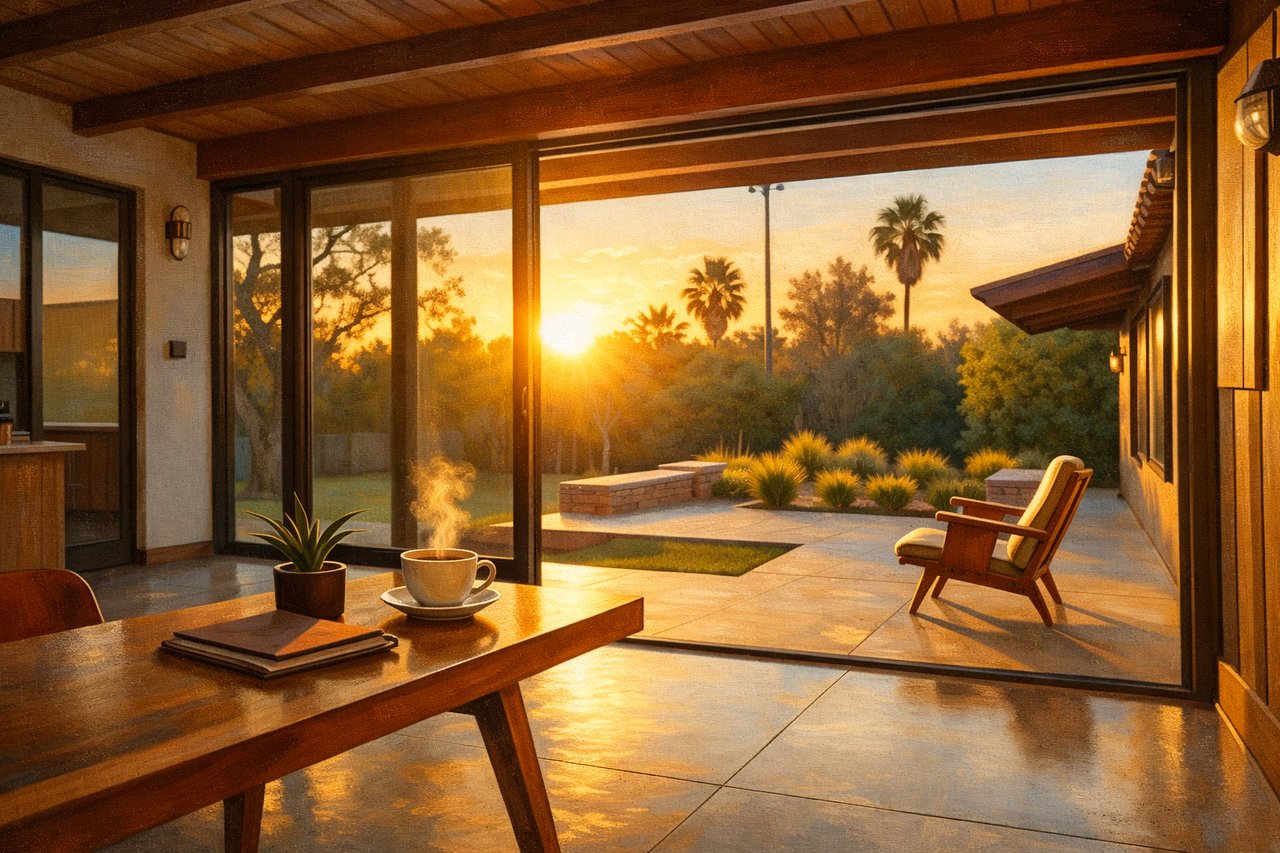
Window orientation determines morning light quality throughout southern california modern homes. South-facing windows capture maximum sunlight throughout the day, while north-facing placements deliver consistent, softer illumination without glare. East-facing windows serve breakfast zones and channel morning sun into kitchen areas where it supports food preparation and early-day activities. Bedrooms require different considerations. North-facing windows provide steady light while higher wall placement or light-diffusing glass maintains privacy. Skylights address spaces lacking adequate wall area for traditional windows, and clerestory windows positioned high on walls introduce natural light without compromising sightlines or security.
Morning Kitchen and Breakfast Spaces
Built-in breakfast nooks occupy corners, alcoves, and bay windows that might otherwise remain underutilized. Fixed benches and tables reduce circulation requirements while supporting multiple activities throughout the day. Contemporary iterations appear as banquettes, island edges, and window benches integrated into open floor plans rather than enclosed alcoves. Spacious counter areas accommodate coffee preparation and breakfast assembly. Walk-in pantries keep ingredients organized and available during morning routines. These custom components add measurable value, as breakfast nooks function as turnkey amenities that buyers recognize right away.
Outdoor Transition Zones
Southern california mid century modern homes achieve indoor-outdoor integration through sliding glass panels and pivoting walls. Door tracks set flush into flooring eliminate level changes between interior concrete and exterior wood decking. This design approach reflects the region's Mediterranean-like climate, where outdoor access functions as a practical daily element rather than seasonal luxury. Multi-slide and bi-fold systems connect kitchens and living areas with outdoor spaces into unified zones.
Bedroom and Bathroom Layout Considerations
Bed placement avoids windows with strong direct sunlight that disrupts sleep patterns. Main suites positioned on main floors provide convenience while maximizing natural light exposure that supports morning alertness. Bathroom layouts prioritize flow and accessibility between sinks, showers, and storage areas.
Storage for Morning Wellness Equipment
Mid century modern homes for sale in southern california now incorporate dedicated storage for yoga mats, meditation cushions, and exercise equipment that morning routines require.
Why Southern California Mid Century Modern Homes Lead This Trend
Original Design Principles That Support Morning Living
Mid-century modern design emerged in the 1940s with a promise that clean, contemporary formulas would remain timeless. Frank Lloyd Wright laid the groundwork through organic architecture that emphasized nature and the human body in design. He introduced Japanese-influenced elements like decorative screens and paneling that became embedded in American modernism. His buildings prioritized site-specific designs, flow between spaces, and wood paneling that defined the era. Joseph Eichler translated these principles into homes that embraced openness, simplicity, and integration with nature. Clean lines and open floor plans created continuous flow that eliminated visual clutter. This minimalism functioned as a lifestyle tool rather than mere aesthetic choice. It nurtured mental clarity and freedom from distractions.
Glass Architecture and Light Flow
Mid-century architects conceived glass as a bridge rather than a barrier. Floor-to-ceiling windows and clerestories dissolved divisions between home and landscape. Even modest footprints felt expansive through how sunlight traveled through interiors. Light became a living element. It animated spaces throughout the day and anchored them to the world's rhythms. Eichler homes maximized natural light through floor-to-ceiling windows, open atriums, and skylights. This architectural transparency served functional purposes beyond esthetics and supported wellbeing and efficiency.
Updating Mid Century Spaces for Modern Morning Culture
Contemporary adaptations maintain the original intent while incorporating modern efficiencies. Homeowners reinstall corner windows and clerestories as design moves that reclaim flow, light, and connection. Updates that focus on energy performance through new glazing preserve the experience of calm, clarity, and connection when sensitivity to original design language is maintained.
Market Implications for Homeowners and Buyers
Design Features Increasing Property Appeal
Listings mentioning wellness features increased 15% year-over-year, with non-toxic materials up 55%, antimicrobial surfaces up 44%, and saltwater pools up 35%. Homes highlighting quartz countertops sell for 2.3% more and two days faster than expected. Properties with meditation rooms command 1.7% premiums. Anti-bacterial features like touchless toilets add 0.7% to sale prices. Energy-efficient upgrades deliver measurable returns. Converting to electric heat pumps returns over 100% of the USD 18,800 investment, especially when you have federal tax credits. New garage doors cost USD 4,500 and return 194%. Steel entry doors return 188% of USD 2,400 investments.
The Premium on Morning-Optimized Homes
Wellness-focused residential properties at middle and upper market segments command 10-25% price premiums. Commercial buildings show 4.4-7.7% per-square-foot rental premiums. Research shows that 93% of homeowners think wellness is important, and 73% say health impacts will affect their next home selection. Buyers willing to pay premiums seek tangible features: outdoor connections, air filtration systems, and natural light optimization.
What to Look for in Mid Century Modern Homes for Sale Southern California
Ranches appeal to a variety of demographics, from millennials seeking family homes to retirees downsizing into single-level living. The best properties sell the day showings start or enter contract right away. Move-in ready homes that are updated with taste command top dollar. Original homes that are well-maintained without successive remodeling jobs offer superior value.
Conclusion
Morning culture has redefined value across Southern California's residential market. Wellness-optimized mid-century modern homes command measurable premiums. Properties featuring light placement and outdoor transitions appeal to buyers who prioritize intentional living over square footage alone.
The most important moves in this market happen through trusted networks where timing and discretion matter more than public listings. Buyers who understand this difference work with advisors positioned within those circles. Christina Pope at Sotheby's International Realty provides that access through EliteResidenceInternational.com, where positioning replaces visibility.
Key Takeaways
Morning culture is transforming Southern California's residential market, with wellness-focused design becoming a key driver of home value and buyer preferences in 2026.
• Wellness-optimized homes command 10-25% price premiums as buyers prioritize morning routines, natural light, and health-supporting features over traditional square footage metrics.
• Mid-century modern homes naturally excel at morning living through original design principles featuring floor-to-ceiling windows, seamless indoor-outdoor flow, and strategic light placement that supports daily wellness routines.
• Strategic architectural elements drive market appeal, including east-facing breakfast zones, outdoor transition spaces, and dedicated storage for wellness equipment that buyers immediately recognize as valuable amenities.
• Climate advantages make morning culture practical year-round in Southern California, with 280+ sunny days annually creating structural conditions that support outdoor movement and vitamin D exposure as daily defaults.
• Energy-efficient morning-focused upgrades deliver measurable returns, with electric heat pump conversions returning over 100% of investment and wellness features like meditation rooms adding 1.7% to sale prices.
The shift reflects broader recognition that 80-90% of health outcomes depend on environmental factors, making home design a critical wellness investment rather than purely esthetic choice.
FAQs
Q1. What are the real estate projections for California homes in 2026? The California Association of Realtors forecasts 274,400 home sales in 2026, representing a 2% increase from the previous year, with median home prices reaching a projected record of $905,000.
Q2. Why do mid-century modern homes command higher prices in Southern California's current market? Mid-century modern homes naturally support wellness-focused morning routines through their original design features like floor-to-ceiling windows, seamless indoor-outdoor transitions, and strategic light placement. These properties command 10-25% price premiums as buyers increasingly prioritize health-supporting architectural elements over traditional square footage.
Q3. What specific home features are buyers willing to pay more for in 2026? Buyers are paying premiums for wellness-oriented features including meditation rooms (1.7% price increase), quartz countertops (2.3% higher sale prices), outdoor connections, air filtration systems, and natural light optimization. Homes with these features also sell approximately two days faster than expected.
Q4. How does Southern California's climate support morning-focused home design? With over 280 sunny days annually, Southern California's climate makes outdoor morning routines practical year-round rather than seasonal. This geographical advantage allows residents to maintain consistent vitamin D exposure, outdoor movement, and wellness activities as daily defaults, making morning-optimized home features particularly valuable.
Q5. What architectural elements increase a home's appeal to wellness-focused buyers? Key features include east-facing windows in breakfast areas for morning sunlight, built-in breakfast nooks, outdoor transition zones with flush-set sliding doors, dedicated storage for wellness equipment like yoga mats, and strategic window placement that maximizes natural light without compromising privacy or sleep quality.