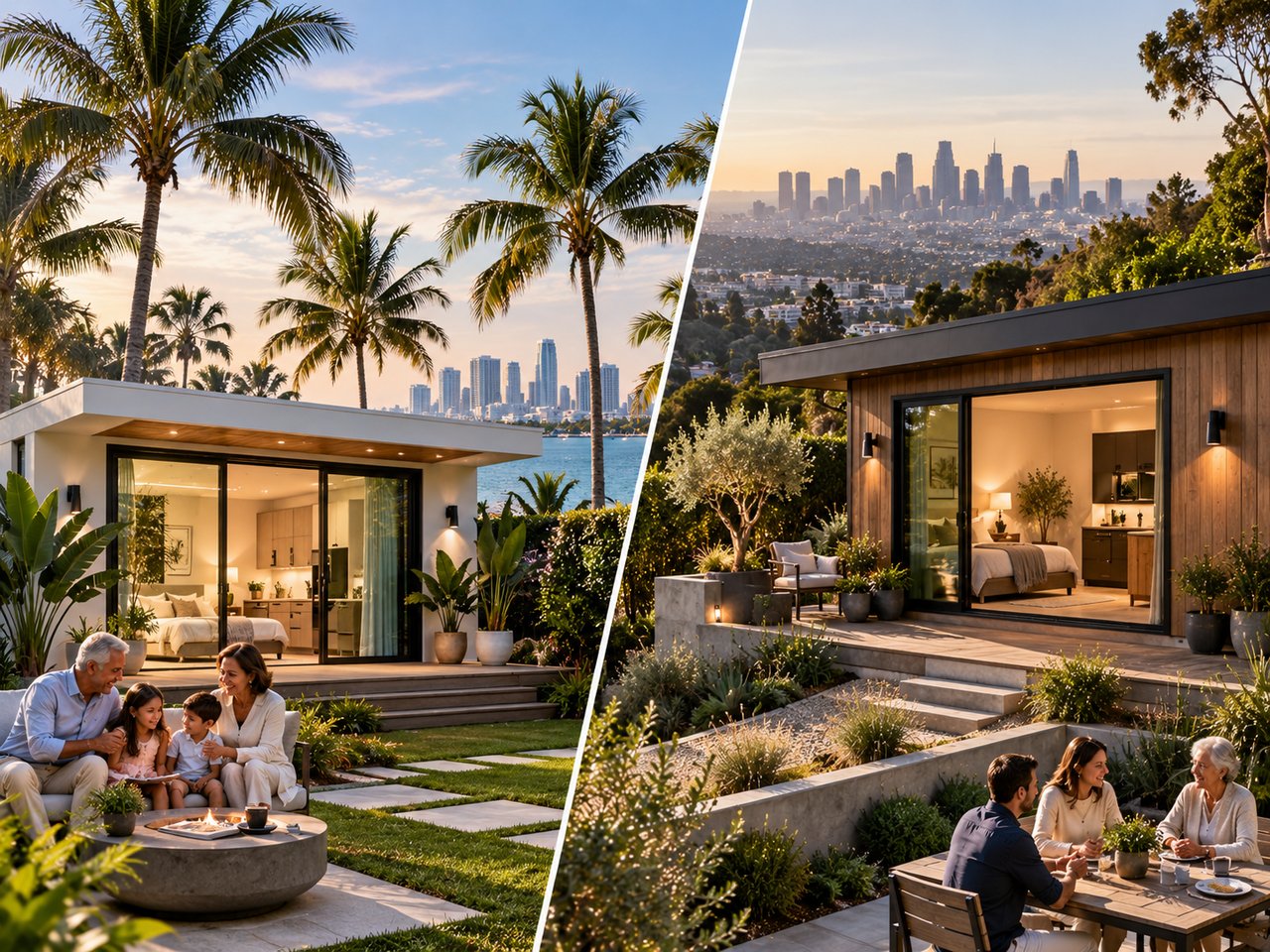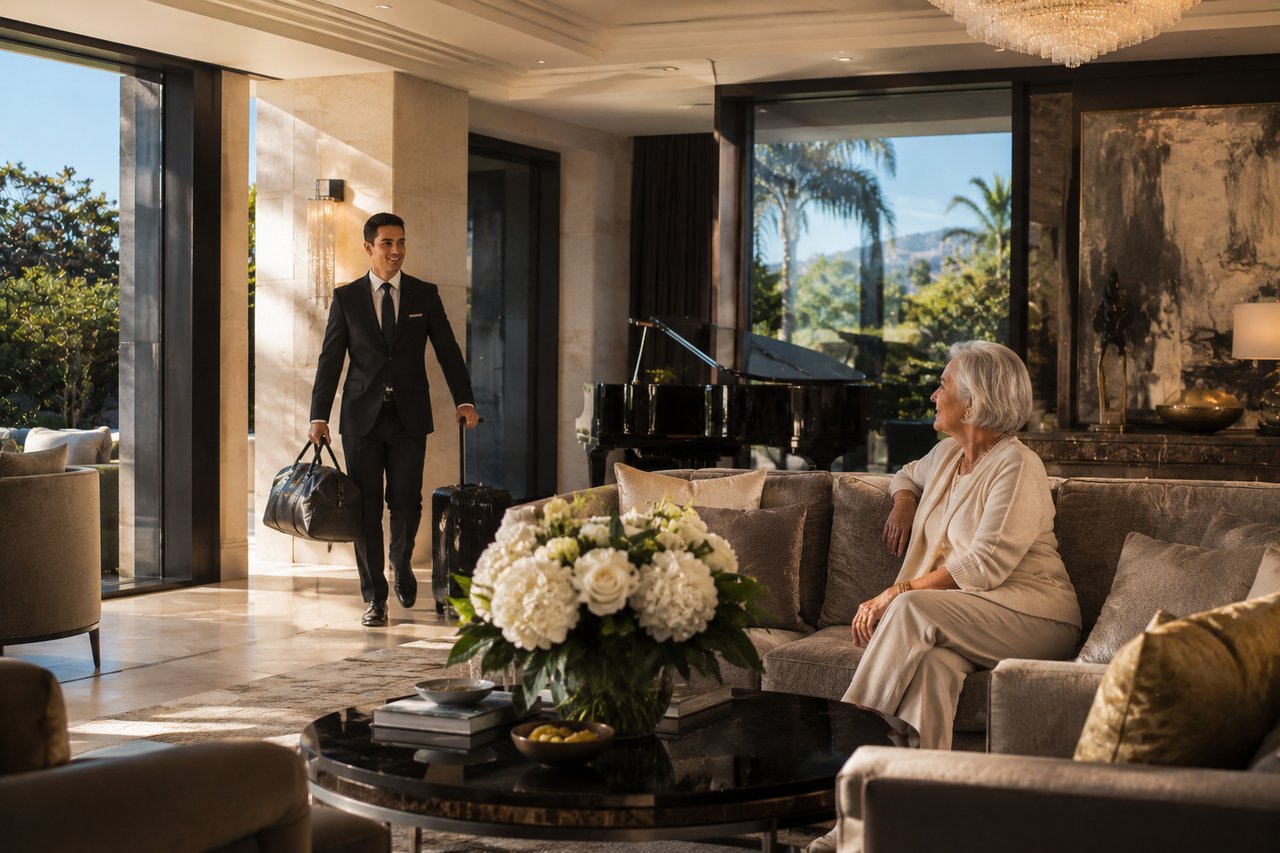
Luxury senior living is undergoing a transformation that mirrors the individual-specific service model of five-star hotels. What was once limited to upscale hospitality is now becoming the standard in premium senior communities throughout Los Angeles. Los Angeles has 104 independent living communities, making the market competitive. Differentiation comes through concierge-level service more and more. Luxury senior living communities are integrating everything from 24/7 concierge teams to private security patrols and redefining what assisted living in Los Angeles CA means. This piece explores how luxury concierge Los Angeles services are reshaping senior living in Los Angeles CA. We'll cover what core services residents can expect and the tangible benefits of this model. You'll also learn how to identify the right luxury assisted living community that fits your needs.
The Shift From Traditional Senior Living to Five-Star Service
"Today’s upscale, active seniors approach retirement as a permanent vacation, so why not offer them accommodations inspired by hospitality design principles and backed by unprecedented wellness and service offerings that allow them to 'age in place'?" — Walt Miller, Principal and Design Director for John Portman & Associates
How High-End Hotels Influenced Senior Living Design
Senior living spaces have moved away from sterile, institutional esthetics. The design philosophy now borrows directly from high-end hospitality and creates environments that residents feel proud to call home rather than facilities where they merely receive care.
This change centers on integrated wellness amenities reminiscent of boutique hotels. Spa facilities, fitness centers with senior-specific equipment, and gourmet dining options replace simple cafeterias and common rooms. The kitchen has moved from back of house to front and center. Food becomes the showpiece through action stations and made-to-order cooking. Outdoor firepits, cozy coffee and wine bars, and multiple dining venues using locally sourced ingredients have become standard features.
Individual-specific concierge services, once exclusive to upscale hotels, now support residents with on-demand assistance that goes beyond traditional care models. This hospitality-first approach promotes autonomy while addressing the evolving needs of a generation with higher expectations for lifestyle and independence.
The LA Market Leads the Luxury Concierge Movement
Los Angeles has emerged as the epicenter for luxury concierge-driven senior living communities, especially in Beverly Hills and Santa Monica. Belmont Village Westwood on Wilshire Boulevard's Golden Mile provides concierge support, housekeeping, transportation, and access to exceptional shopping and dining. The community features restaurant-style dining at Josephine's Kitchen, a heated outdoor pool, fitness center, and salon services. A private wine room for entertaining rounds out the amenities.
Sunrise of Beverly Hills sits in the Golden Triangle with a Walk Score of 97 and offers chef-led meals and personalized care models. The Variel in Woodland Hills has a full-size indoor pool, spa, gym, and 24-hour concierge services. Calligraphy Westwood Village delivers round-the-clock concierge care in the heart of Westwood Village.
What Sets Luxury Concierge Los Angeles Communities Apart
The difference comes through quality and specificity rather than offering similar amenities. Private patios, high-end kitchen appliances, in-unit laundry, and multiple restaurant options establish the baseline. Butler services, valet parking, and personal transportation to shops and appointments lift the experience further. These communities focus on expanding healthspan—the period lived in good health and connection—rather than extending lifespan.
Core Concierge Services Now Standard in Luxury Senior Living Communities
Concierge services in luxury senior living communities extend beyond front desk assistance. These programs deliver tailored support that addresses practical needs while preserving resident autonomy.
Daily Living Support and Personal Assistance
Concierge teams handle appointment scheduling for doctor visits and spa treatments. They coordinate move-in logistics and provide assistance that feels accessible to each resident's priorities. Personal assistance services include non-medical help with grooming, dressing, bathing, meal preparation, light housekeeping, shopping, medication reminders, and escorting to appointments. Direct care workers undergo full background checks and receive training in consumer control philosophy, infection control, and emergency handling. They learn to recognize changes that need attention.
Dining Reservations and Entertainment Planning
Concierges secure reservations at restaurants and arrange tickets for local entertainment and cultural events. Residents maintain active social lives without managing logistics themselves through this coordination.
Transportation and Errand Coordination
Transportation services connect residents to medical appointments, shopping centers, social events, and family visits. About 600,000 older adults stop driving each year. This creates transportation needs that interconnect with disability, geographic isolation, and limited income. Coordinated systems combine accessible fixed routes, paratransit, on-call response, and volunteer transportation to serve those who no longer drive.
Health and Wellness Scheduling
Communities maintain schedules for wellness classes and fitness programs. Certified wellness coaches assist residents through group classes or personal training sessions tailored to older adults' needs. Fitness centers, aquatic exercises, pilates, yoga, and tai chi promote flexibility and balance.
Home Maintenance and Housekeeping Liaison
Housekeeping services cover vacuuming, dusting, trash removal, bathroom and kitchen cleaning. Weekly or biweekly scheduling is common in independent living. Maintenance teams handle HVAC issues, plumbing, and emergency repairs. Response times fall within one to two days.
The Real Benefits Behind Concierge-Style Senior Living
The value proposition of concierge-style senior living extends beyond amenities to measurable improvements in daily life for residents and their families.
Independence With Strategic Support
Autonomy promotes physical, emotional and social health as people age. Concierge care allows seniors to remain in control of their routines while accessing targeted assistance. A dedicated team delivers support wherever residents live, whether in their own apartment or within the community. This model focuses on what residents can do rather than limitations. It preserves decision-making capacity that associates with improved health outcomes.
Improved Security and Peace of Mind
Round-the-clock concierge teams provide assistance through emergency call systems and wearable devices. Gated access, controlled entry points and trained security personnel create environments where residents move freely day and night without feeling monitored. Families gain confidence knowing professional support remains available.
Community Integration and Social Connection
Social contact and development of support networks matter for well-being and quality of life in luxury senior living communities. Concierges organize group activities and social events that create opportunities for residents to connect through shared interests. Research shows seniors with active social lives experience up to a 70% reduction in cognitive deterioration over time.
Time Savings for Residents and Families
Concierge teams eliminate the burden of managing multiple service providers. Residents reclaim hours previously spent on errands, appointment scheduling and household coordination.
The Difference Between Assisted Living and Full Concierge Care
Assisted living provides residential support with meals, housekeeping and medication reminders but lacks skilled nursing. Concierge nursing delivers the clinical layer that assisted living doesn't provide, including complex medication management, IV care, wound treatment and post-surgical monitoring. The community handles daily life while the concierge nurse addresses clinical needs.
Finding the Right Luxury Senior Living in Los Angeles CA
"The luxury market has kind of exploded – partially as a result of nursing homes being so costly." — Nancy Avitabile, Owner of Urban Eldercare
Top Neighborhoods for Concierge Communities
Los Angeles offers 104 independent living communities. Most concentrate in Beverly Hills, Santa Monica, Westwood, Pacific Palisades and Woodland Hills. Belmont Village Westwood sits on Wilshire Boulevard's Golden Mile near UCLA Medical Center. Sunrise Beverly Hills in the Golden Triangle achieves a Walk Score of 97. Car dependency for most errands is eliminated. Ciela in Pacific Palisades provides canyon and mountain views with extensive outdoor walking paths. The Variel in Woodland Hills positions residents near Warner Center shopping.
Comparing Service Models Across Properties
Communities differ in care levels they offer. Belmont Village Westwood provides independent living, assisted living and both early and advanced memory care under one roof. The Variel offers independent, assisted and memory care with full kitchens and in-unit washers. Other properties focus on independent living without continuum options. Future relocation becomes necessary if needs change.
Cost Considerations and Value Assessment
Independent living averages $4,717 monthly in Los Angeles. Assisted living reaches a median of $6,972 per month. Luxury communities command $12,000 to $15,000 monthly or higher. Costs rise approximately 3% each year. Those who want to purchase or begin their search can reach out. I'd be delighted to help find spaces designed for upscale living. Christina Pope 📞 310-404-9931 ✉️ [email protected]
Making the Transition Smooth
Planning ahead reduces pressure. You can make decisions on your terms rather than during crisis moments. Visit multiple communities to get insight into daily culture, staffing approaches and dining quality. Downsize by decluttering room-by-room and gift sentimental items to family. This eases the physical move.
Conclusion
Concierge-style senior living represents more than upgraded amenities. This model delivers independence with strategic support and allows residents to maintain autonomy while accessing professional assistance at the time it's needed. Los Angeles communities set the standard through hotel-inspired service, round-the-clock security, and wellness programs that expand healthspan rather than extend lifespan. The right community balances location with service depth and financial sustainability. People thinking about this transition benefit most from visiting multiple properties and planning ahead. Deciding under pressure rarely works out well.
Key Takeaways
Luxury senior living in Los Angeles has evolved from institutional care to five-star hospitality, with 104 independent living communities now offering hotel-style concierge services that prioritize autonomy and wellness over basic assistance.
• Concierge services preserve independence: 24/7 support teams handle daily logistics—from appointment scheduling to transportation—allowing seniors to maintain control while accessing strategic assistance when needed.
• Social connection drives cognitive health: Active community engagement through concierge-organized activities reduces cognitive deterioration by up to 70%, making social programming essential rather than optional.
• Location and service depth matter most: Beverly Hills, Westwood, and Santa Monica lead the luxury market, with costs ranging from $12,000-$15,000 monthly for comprehensive concierge care versus $4,717 for standard independent living.
• Plan ahead to avoid crisis decisions: Visiting multiple communities and downsizing systematically ensures you choose based on lifestyle fit and long-term value rather than urgent necessity.
The shift from traditional senior care to hospitality-inspired living reflects changing expectations among affluent retirees who view this life stage as an opportunity for elevated experiences, not diminished capacity. Communities that successfully integrate clinical expertise with five-star service create environments where residents thrive socially, physically, and emotionally.
FAQs
Q1. What services does a concierge provide in luxury senior living communities? A concierge in senior living handles appointment scheduling, dining reservations, entertainment planning, transportation coordination, and move-in logistics. They also arrange tickets for cultural events, manage errands, coordinate wellness class schedules, and serve as a liaison for housekeeping and maintenance services, allowing residents to maintain active lifestyles without managing daily logistics themselves.
Q2. How does concierge care differ from traditional assisted living? Traditional assisted living provides residential support with meals, housekeeping, and medication reminders but typically lacks skilled nursing. Concierge care adds a clinical layer with services like complex medication management, IV care, wound treatment, and post-surgical monitoring. The community handles daily life while concierge nurses address specific medical needs, offering more comprehensive support than standard assisted living.
Q3. What are the typical costs for luxury senior living with concierge services in Los Angeles? Luxury senior living communities in Los Angeles with full concierge services typically cost between $12,000 and $15,000 monthly or higher. This compares to standard independent living at approximately $4,717 per month and regular assisted living at a median of $6,972 monthly. Costs generally increase about 3% annually across all categories.
Q4. Which Los Angeles neighborhoods have the best luxury senior living communities? Beverly Hills, Westwood, Santa Monica, Pacific Palisades, and Woodland Hills lead the luxury senior living market in Los Angeles. Notable communities include Belmont Village Westwood on Wilshire Boulevard's Golden Mile, Sunrise Beverly Hills in the Golden Triangle with a Walk Score of 97, Ciela in Pacific Palisades with canyon views, and The Variel in Woodland Hills near Warner Center.
Q5. How does social connection in senior living communities impact cognitive health? Active social engagement through community activities and programs significantly benefits cognitive health. Research demonstrates that seniors maintaining active social lives experience up to a 70% reduction in cognitive deterioration over time. Concierge-organized group activities and social events create opportunities for residents to connect through shared interests, making social programming essential for overall well-being.