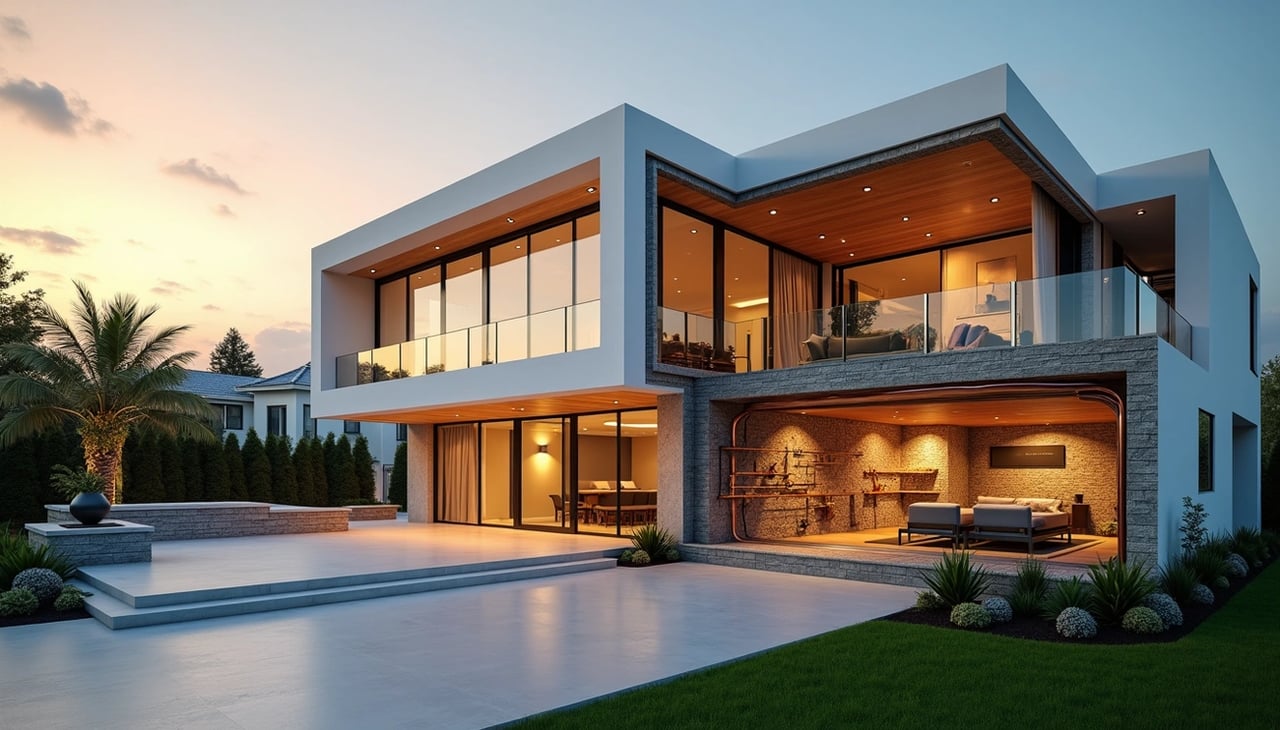
The luxury home market shows remarkable growth, with 2,261 ultra-luxury transactions (properties valued at $10 million-plus) generating $38.6 billion in sales in 2025. Stunning design features and prime locations grab headlines, yet savvy buyers look beyond marble countertops and infinity pools. Many high-value deals happen quietly within trusted circles where discretion matters as much as property value.
The numbers tell an impressive story - a record-breaking $50 million Del Mar beach home sale and twelve new Los Angeles neighborhoods joining the million-dollar home value club. A deeper reality exists beneath these headlines. Modern luxury buyers come armed with knowledge and they evaluate more than just curb appeal. They assess long-term risks, property condition, and deal structure. Yet one crucial factor often stays hidden until problems arise - the infrastructure costs that can drastically affect a property's true value and investment potential.
The next decade will see $31 trillion transfer to new generations. This wealth transfer makes it vital to understand these invisible cost factors that protect and enhance luxury home investments. This piece gets into the infrastructure elements that smart buyers now examine before making multi-million dollar commitments in 2026's changing digital world.
The visible vs invisible costs of luxury living
A stark reality exists behind the stunning facades of multi-million dollar properties. Experienced luxury home buyers know this truth well. The true value of an impressive estate lies not in its Italian marble or custom millwork, but in its reliable infrastructure that preserves value through the years.
Luxury home furnishings vs foundational systems
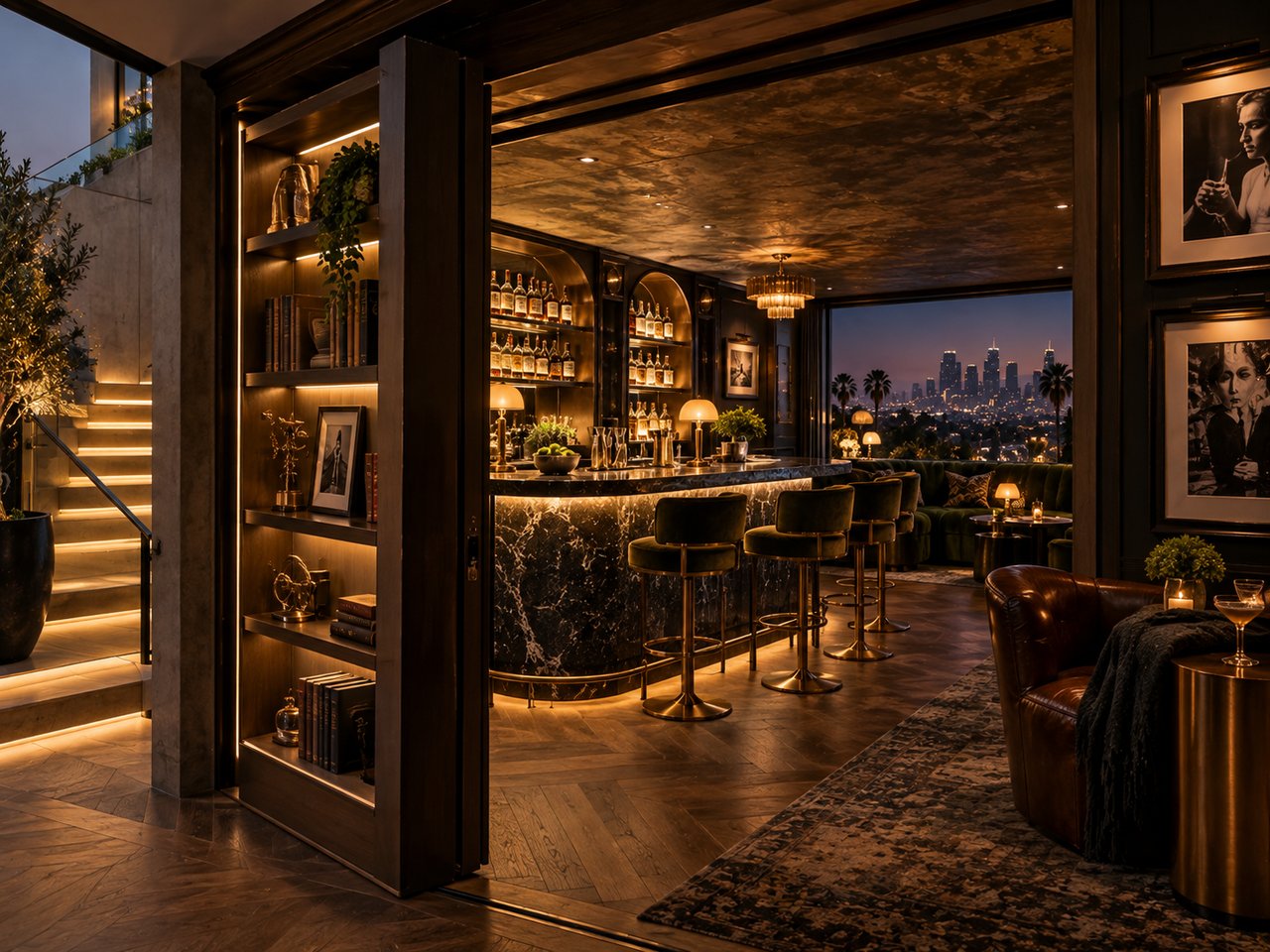
High-end properties reveal a clear contrast between visible amenities and hidden infrastructure. Designer pieces, custom furniture, and original artwork create immediate visual appeal in luxury homes. These esthetic choices come at premium prices, and even a few custom furniture pieces can cost tens of thousands of dollars.
The foundational systems work quietly behind the scenes. These components serve as the foundations of a luxury property, from septic systems to drainage solutions. Construction experts believe that "a high-end home deserves a sophisticated plumbing system". They stress that "a luxury home isn't just a pretty face; it's a high-performance machine".
Money tells an interesting story here. Visible elements like Italian marble and Brazilian hardwoods add six-figure costs to base budgets. Yet underground infrastructure often creates the most unexpected expenses, with site work and foundation problems becoming "the biggest budget-busters".
Why infrastructure is often ignored until it fails
Even sophisticated homeowners tend to overlook essential maintenance until problems surface. Studies show that deferred maintenance can slash a home's value by 10-20%. This represents $300,000 to $600,000 in lost equity on a $3 million property—a financial misstep no smart investor would accept in other investments.
This oversight persists despite evidence that homeowners should set aside 2-5% of their property's value each year for maintenance. The psychology makes sense: visible features provide instant satisfaction, while infrastructure investments remain unnoticed until systems break down.
Deferred maintenance multiplies like debt. Small roof problems lead to water damage and structural issues. Poorly maintained HVAC systems waste energy while moving toward complete failure. Buildings naturally lose 1-2% value yearly without active management—a default depreciation that only proactive maintenance can prevent.
8 hidden infrastructure costs that reduce home value

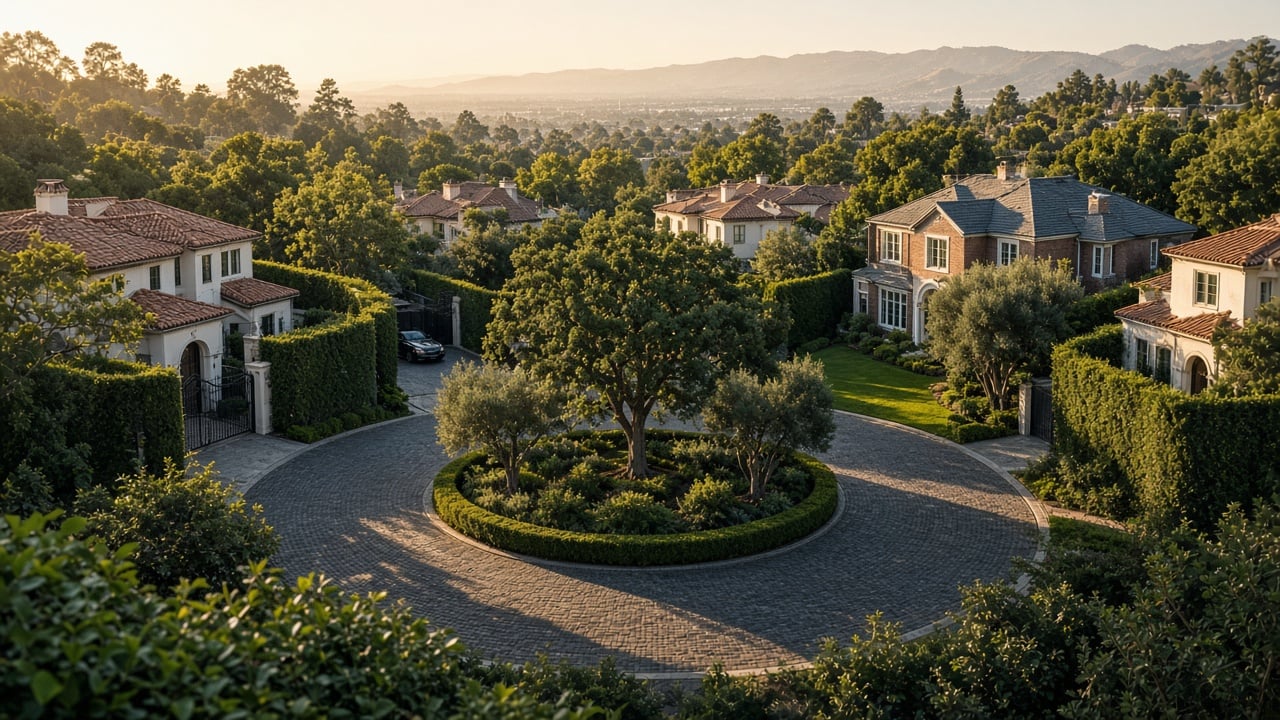
Image Source: Boston Landscape Co
Luxury home buyers now look beyond shiny surfaces to check what's underneath high-end properties. Smart buyers know that poor infrastructure can quietly reduce property value, sometimes by 10-20% of the home's worth.
1. Septic systems and private well maintenance
Private water systems need regular care to keep their value and function. You should get septic tanks checked every three years and pumped every three to five years. Private wells need yearly professional checks to maintain water quality and system health. Skip these maintenance schedules and you'll face emergency repairs that cost thousands of dollars and risk contaminating groundwater.
2. Outdated HVAC and climate control systems
HVAC systems usually last 15-20 years with good care. Old climate control systems in luxury properties can hurt resale value. Real estate experts note that new systems recover about 85% of their cost at sale. Buyers now expect zoned temperature control and smart automation in premium homes.
3. Inadequate drainage and flood mitigation
Good water management systems protect property value from flood damage. Right now, 14.6 million US homes face flood risk. Key protection measures include clean gutters and downspouts, better lot grading, and proper drainage networks. Homes in high-risk areas should have raised utilities and secured outdoor fuel tanks to avoid costly damage.
4. Poor internet and smart tech connectivity
Many luxury homes struggle with old network infrastructure despite advertised speeds of 1-10 Gbps. Old cabling (especially Cat5 from 15-25 years ago) creates bottlenecks no matter how good your router is. Even the best wireless access points can't overcome aging wired backbones, which limits smart home technologies.
5. High utility costs due to inefficient systems
Monthly utility costs in big luxury homes can hit $3,000. Old systems make these costs much higher. New variable-speed HVAC systems make small adjustments that keep you comfortable while using less energy. Smart buyers now check efficiency ratings before they buy.
6. Lack of EV charging or solar readiness
Houses without electric vehicle setup face value challenges. Properties with solar and EV charging sell 24-37% faster than similar homes. Solar-ready homes are worth more because pre-installed electrical systems save thousands in setup costs.
7. Structural wear in foundations and roofing
Basic upkeep costs about 1-3% of property value each year. An $8 million mansion needs $80,000-$240,000 yearly for maintenance. Roof fixes can cost $5,000-$20,000, while major plumbing problems range from $2,000-$10,000. Buyers factor these possible costs into their offers.
8. HOA infrastructure obligations in gated communities
Homeowner association fees average $125 monthly, up from $110 in 2023. These fees pay for key infrastructure maintenance, from roads and security to landscaping and amenities. Premium communities like Edwards, Colorado charge up to $525 monthly. A close look at HOA reserves shows if there's enough money for future repairs without extra charges.
How these costs influence luxury home buyers
Today's wealthy property investors take a rigorous analytical approach to real estate transactions. The emotional appeal no longer drives buying decisions. Sophisticated evaluation processes now assess both visible luxury features and hidden infrastructure costs.
The change toward informed luxury real estate decisions
Luxury home transactions reflect a new reality of informed decision-making. Elite agents and buyers no longer rely just on intuition. They analyze key metrics such as inventory levels, days on market, sales activity, and absorption rates by price tier. This approach helps buyers understand the best time to act, price points, and available opportunities. A top broker made use of predictive analytics and reduced average days on market by 30% while raising closing prices by 7%.
Why luxury home buyers ask for inspection reports
A full home inspection has become crucial to protect high-value investments. Luxury home inspections evaluate smart home technology, custom features, and advanced systems that standard inspections might miss. These assessments look at sophisticated HVAC systems, high-end appliances, custom lighting, and spa bathrooms. Buyers use inspection reports as a roadmap to make informed purchasing decisions that highlight a property's strengths and areas needing attention.
How infrastructure affects luxury home rentals and resale
Location and neighborhood affect luxury home values more than esthetic elements. Proximity to local amenities and infrastructure such as expressways, public transportation, community centers, and restaurants determines a property's worth directly. For those who love to entertain, the right home makes all the difference. The perfect space for elevated living and effortless hosting could be yours. Let me help you find it. Christina Pope  310-404-9931
  [email protected]
Future-proofing your luxury property in 2026 and beyond
Luxury property decisions now depend heavily on infrastructure quality. Smart homeowners make strategic investments and collaborations to handle these elements proactively.
Working with luxury home builders near me
Professional builders who know environmentally responsible practices help with pre-wire planning during construction or major renovations. These specialists place low-voltage wiring for security cameras, speakers, and network equipment in strategic spots. This eliminates the need for wall renovations that can get pricey later. They create dedicated spaces for networking equipment away from water sources.
Incorporating sustainable and smart infrastructure
Climate resilience features are now crucial after catastrophic wildfire events. Insurance availability shapes purchase decisions in premium markets. Systems like Crestron, Lutron, and Josh.ai bring home controls together while keeping esthetics intact—you won't see a visible bank of switches. These platforms let you set scenes with one button and use sophisticated voice commands.
Using luxury home accessories that add functional value
Modern luxury accessories balance beauty and purpose. Hidden speakers, in-wall panels, and art-displaying televisions (like Samsung Frame) protect design integrity and provide tech benefits. Premium pieces from Italian design houses blend beauty with practicality.
Staying ahead of luxury real estate news and trends
Affluent buyers will review homes based on long-term value and lifestyle fit by 2026. Wellness features are no longer upgrades they're expected. Spa-quality bathrooms, advanced filtration systems, and dedicated fitness spaces are the new standard.
The perfect home makes entertaining a joy. I would love to help you find spaces built for refined living and seamless hosting if you plan to buy soon or start your search. Christina Pope 310-404-9931 [email protected]
Conclusion
The luxury real estate world needs a new way to review high-end properties. Smart investors now know that true luxury goes beyond elegant finishes and designer names. The hidden infrastructure elements determine whether a multimillion-dollar investment grows or shrinks in value over time.
Smart homeowners should set aside 2-5% of their property's value each year to maintain critical systems. This approach beats the 10-20% value drop that comes from putting off maintenance. A property's foundation of working septic systems, modern HVAC equipment, proper drainage, and resilient technology infrastructure supports all the visible luxury features.
Informed decision-making has altered the map of luxury real estate deals. Buyers who come prepared with complete inspection reports, neighborhood studies, and infrastructure reviews make better investments. These investments hold up against market changes and physical wear. This analytical mindset, plus expert guidance, helps spot properties where owners have taken care of infrastructure costs instead of ignoring them.
Building future-ready luxury homes needs mutually beneficial alliances with builders who understand eco-friendly design, smart technology, and resilience planning. Features like climate adaptations, advanced home automation, and wellness spaces are now standard expectations. Properties without these elements struggle to keep their value against newer, more infrastructure-focused competitors.
Without doubt, the finest luxury properties blend stunning looks with perfect infrastructure. These homes offer both instant appeal through visual beauty and lasting satisfaction through reliable performance. Smart buyers understand this balance creates real value in the luxury market, where substance must match style for an investment to truly excel.
Christina Pope 310-404-9931 [email protected]
Key Takeaways
Understanding hidden infrastructure costs is crucial for protecting luxury home investments, as these invisible factors can reduce property value by 10-20% when neglected.
• Allocate 2-5% of property value annually for infrastructure maintenance to prevent costly deferred maintenance that compounds like debt over time.
• Eight critical infrastructure areas demand attention: septic systems, HVAC, drainage, internet connectivity, energy efficiency, EV/solar readiness, structural elements, and HOA obligations.
• Modern luxury buyers use data-driven decisions and comprehensive inspections rather than relying solely on esthetic appeal when evaluating multi-million dollar properties.
• Future-proof properties with smart technology integration and climate resilience features as these have evolved from upgrades to baseline buyer expectations in 2026.
• Professional partnerships with sustainability-focused builders enable strategic infrastructure planning during construction or renovation, avoiding costly retrofits later.
The most valuable luxury properties successfully balance stunning esthetics with flawless infrastructure, delivering both immediate visual impact and long-term operational reliability that preserves investment value.
FAQs
Q1. How do hidden infrastructure costs impact luxury home values? Hidden infrastructure costs can significantly reduce a luxury home's value, potentially by 10-20% if neglected. These costs include maintenance of septic systems, HVAC upgrades, drainage solutions, and smart home technology integration.
Q2. What percentage of a luxury home's value should be allocated for annual maintenance? Experts recommend allocating 2-5% of a luxury property's value annually for maintenance. This proactive approach helps prevent costly repairs and maintains the home's value over time.
Q3. How are luxury home buyers approaching property evaluations in 2026? In 2026, luxury home buyers are taking a data-driven approach, analyzing metrics like inventory levels, days on market, and absorption rates. They're also requesting comprehensive inspection reports to make informed decisions about potential investments.
Q4. What infrastructure elements are becoming essential in luxury homes? Key infrastructure elements now considered essential in luxury homes include advanced HVAC systems, robust internet connectivity, EV charging capabilities, solar readiness, and smart home automation. These features are increasingly viewed as baseline expectations rather than premium upgrades.
Q5. How can luxury homeowners future-proof their properties? To future-proof luxury properties, homeowners should work with sustainability-focused builders, incorporate smart and sustainable infrastructure, invest in climate resilience features, and stay informed about luxury real estate trends. This approach helps maintain property value and appeal in the long term.