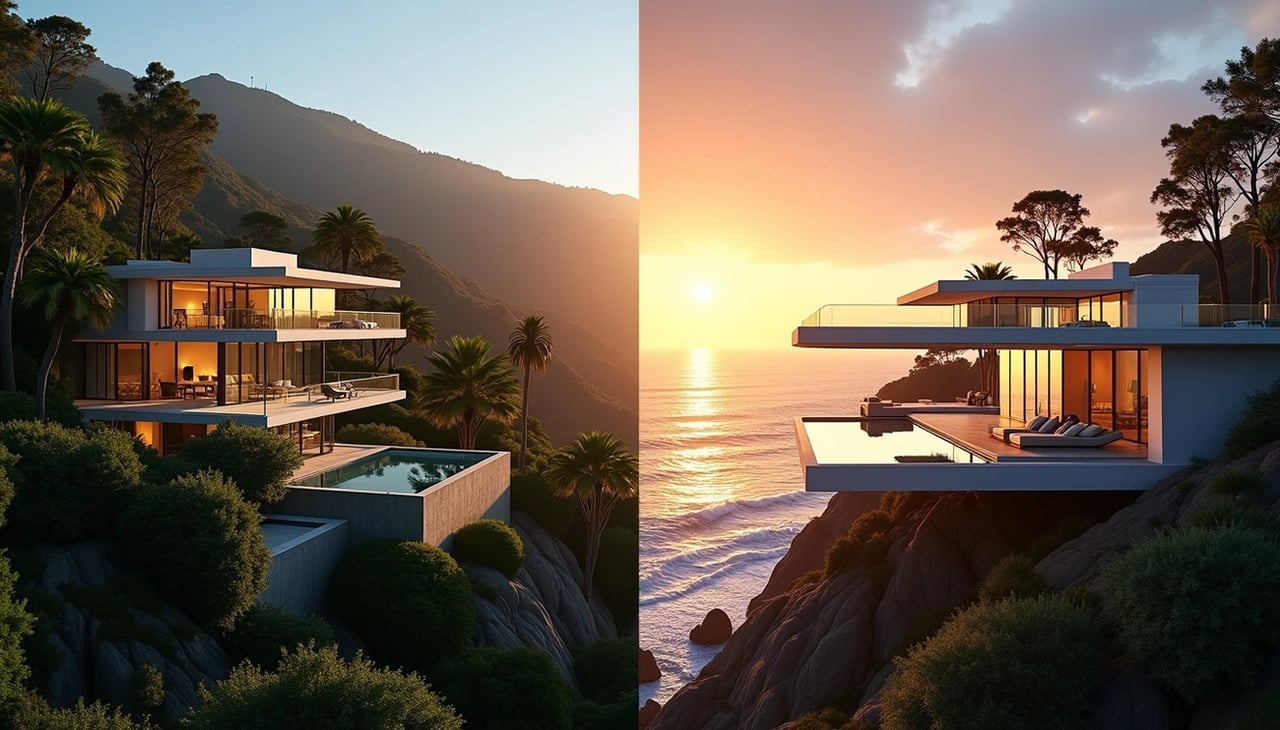
Natural light defines the living experience in modern mansions in Los Angeles, yet few buyers understand how geography shapes daily luminosity between neighborhoods. Beverly Hills commands a median of $7.9M and Malibu Beach reaches $12.7M, but price alone doesn't reflect light performance. The most important decisions in luxury real estate unfold through private conversations and strategic positioning. Discerning buyers assess beyond square footage. This analysis compares how Beverly Hills and Malibu deliver distinct natural light environments and helps high-net-worth individuals make informed choices that line up with lifestyle priorities and investment value.
The Natural Light Factor in Modern Luxury Real Estate
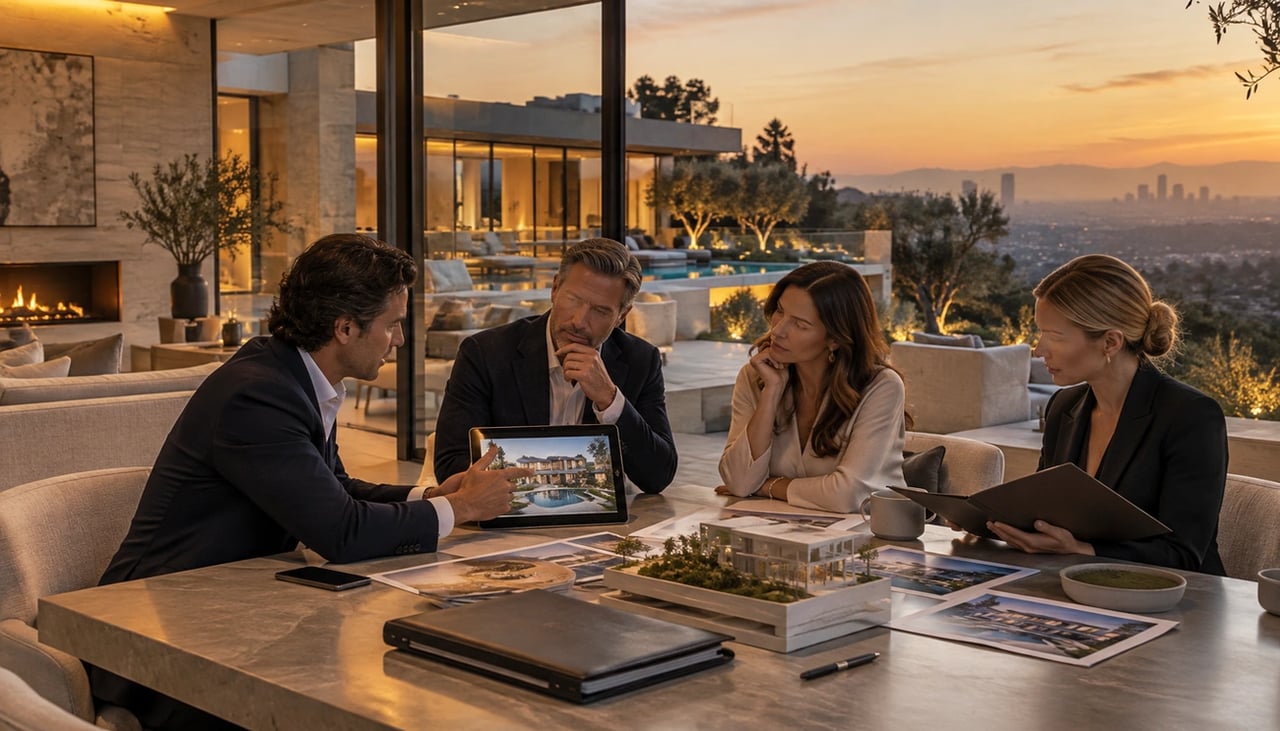
Luxury real estate in Los Angeles operates through private transactions and careful positioning. Natural light quality serves as a non-negotiable criterion for high-net-worth buyers who evaluate modern mansions in Los Angeles. The most important property acquisitions happen through trusted relationships with advisors like Christina Pope at Sotheby's International Realty. Discretion and precision guide decisions worth tens of millions.
Why High-Net-Worth Buyers Prioritize Sunlight Quality
Properties with abundant natural light command premium valuations in luxury markets of all types. South-facing properties in comparable buildings can demand 5 to 15 percent higher prices than north-facing units. This price difference reflects measurable benefits that extend beyond esthetics. Sunlight exposure regulates circadian rhythms and improves sleep quality. It supports consistent energy levels throughout the day. Production of vitamin D, bone health, immune function and mood regulation all depend on natural light. Sunlight reduces symptoms of depression and anxiety. It boosts serotonin levels at the same time.
Natural light creates financial value through reduced energy consumption beyond wellness considerations. Homes designed to maximize daylight lower electricity bills. They decrease artificial lighting needs during daytime hours. Sun-filled properties support long-term savings when paired with energy-efficient materials like low-emissivity glass and smart lighting systems. Properties with strong natural lighting sell faster and attract more buyer interest compared to darker alternatives. Professional photography showcases bright interiors more effectively. This improves online listing visibility and generates stronger offers with shorter market times.
Geographic and Architectural Elements That Control Light
Window orientation determines sunlight patterns throughout the day. South-facing windows receive consistent sunlight and make them optimal for capturing daylight. North-facing windows provide less direct light and minimal solar heat gain. East-facing rooms capture morning sun but lose brightness by afternoon. West-facing spaces remain dark until afternoon and evening hours.
Architectural features magnify or restrict light penetration. Floor-to-ceiling glass walls, oversized sliding doors and clerestory windows bring outdoor light into interior spaces. Skylights introduce sunlight from above. They prove useful when wall space limits window placement. Interior courtyards allow light to reach the center of properties. Surrounding rooms receive daylight from multiple directions. Light shelves bounce sunlight onto ceilings and carry illumination deeper into buildings.
Surrounding elements affect light availability. Trees and neighboring structures can block windows and reduce natural brightness. Properties positioned on hillsides often gain elevation advantages that minimize obstructions. Wall colors and materials influence light distribution. Light neutrals and reflective surfaces spread daylight more effectively than dark finishes.
Beverly Hills and Malibu: Two Distinct Light Environments
Beverly Hills hillside areas face south and deliver abundant sunshine with exceptional canyon and city views. The elevated terrain provides consistent daylight. Famous mansions in Los Angeles throughout this neighborhood benefit from reduced obstructions. Malibu presents ocean-enhanced luminosity with unobstructed western exposure along the coast. Marine layers and fog patterns create different daily light cycles compared to inland areas. These geographic differences shape property selection for buyers who evaluate where the mansions in LA deliver optimal natural light performance.
Beverly Hills: Canyon Light Dynamics and Urban Positioning
Beverly Hills canyon properties operate within exclusive networks where transactions unfold through advisors like Christina Pope at Sotheby's International Realty and EliteResidenceInternational.com. Hillside enclaves deliver light advantages that change daily living experiences in modern mansions in Los Angeles.
Elevation Advantages for Consistent Daylight
Trousdale Estates occupies promontory lots above the Beverly Hills Flats. Elevated positions provide sweeping, unobstructed views spanning the city and Pacific Ocean. Properties positioned on ridgelines or private streets capture light without interference from neighboring structures. Hillside sections nestled against the Santa Monica Mountains experience distinct thermal patterns and often trap heat during afternoon hours. Benedict Canyon properties sit atop secluded canyon locations where elevation frames views of California hills. This vertical advantage ensures consistent daylight penetration throughout the day and minimizes shadows cast by surrounding buildings.
Modern Architectural Glass Integration
Summit House became the first residence permitted under Beverly Hills' Green Building Ordinance and features extensive glass walls that eliminate divisions between outdoors and indoors. A 10' X 10' glass float-away wall separates central galleries from exterior terraces. This creates uninterrupted transitions when opened. The Glass House on Loma Linda Drive incorporates floor-to-ceiling windows throughout and bathes interiors in natural light while showcasing surrounding landscapes. Ribbon windows and sliding glass walls appear in canyon properties of all types, with double-height foyers accented by overhead skylights capturing daylight from multiple angles. Expansive glass walls frame sweeping views while maximizing light distribution throughout interior spaces.
How Much is a Mansion in LA: Beverly Hills Light Premium
Properties designed to capture optimal daylight command premium positioning within the Beverly Hills market. When evaluating how much is a mansion in LA, light-optimized properties with south- or west-facing windows that capture extended sunlight demonstrate measurable value advantages.
Microclimate Patterns Affecting Daily Brightness
Beverly Hills receives over 275 days of sunshine annually. July delivers 12.1 hours of sunshine, while January provides 7.1 hours. Mornings often begin with a marine layer that rolls in from the Pacific and burns off by mid-morning to reveal bright, direct sunlight. The Flats experience more marine layer influence and stay cooler, while hillside sections trap heat and receive higher afternoon temperatures.
Tree Canopy and Privacy vs Light Balance
Benedict Canyon properties feature native oak trees providing shade and rustic charm. Walls of glass frame serene treetop and canyon views while maintaining privacy through landscaping. Properties balance mature tree presence with light accessibility, where famous mansions in Los Angeles demonstrate how design preserves both elements without compromise.
Malibu: Ocean-Enhanced Luminosity and Coastal Exposure
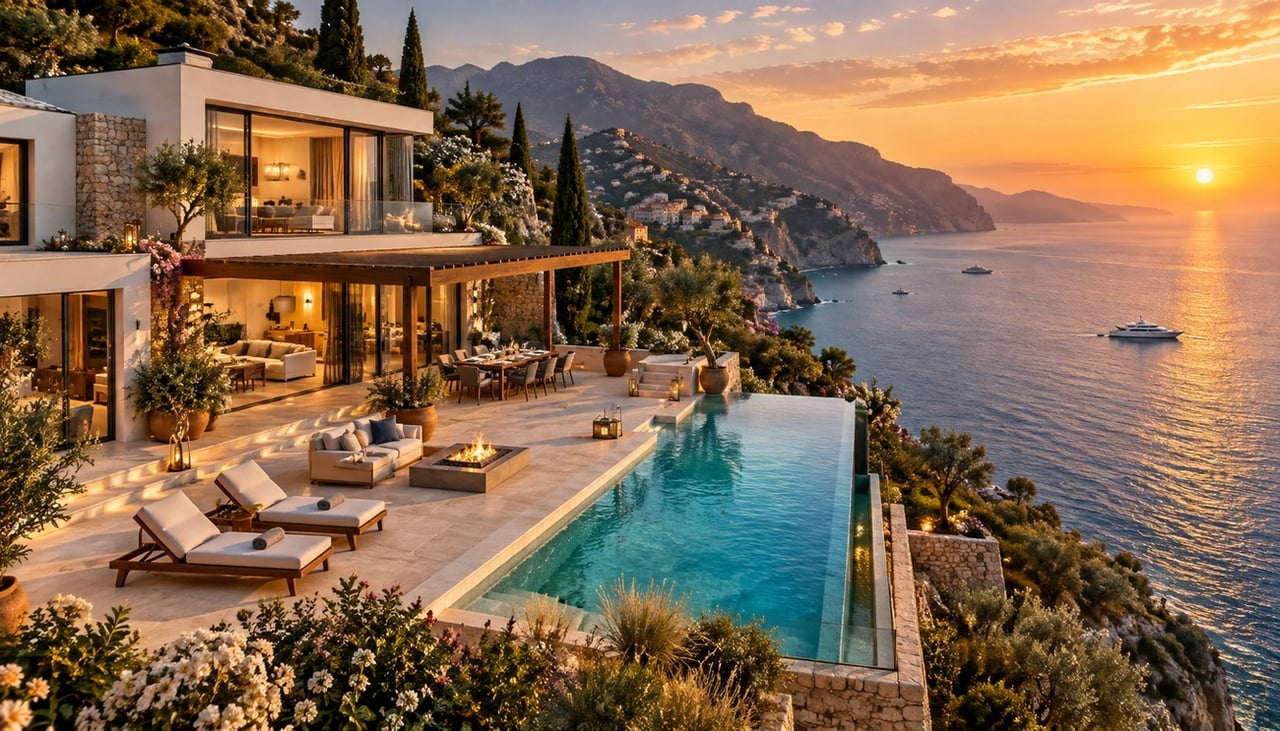
Malibu coastal properties represent a distinct market tier where transactions occur through networks and advisors like Christina Pope at Sotheby's International Realty. EliteResidenceInternational.com makes access easier to modern mansions for sale in Los Angeles along the coast, where ocean proximity creates luminosity patterns that differ from inland enclaves.
Pacific Ocean Light Reflection Mechanics
Two organizing principles govern coastal homes: bringing the view in and allowing daylight to dominate the design framework. Contemporary coastal residences treat light and horizon as active design constraints. Daylight becomes choreographed and openings fine-tune to wind and salt exposure. Material choices respond to durability requirements and how they arbitrate luminous atmosphere across changing conditions.
Unobstructed Western Views and Sunset Optimization
West and southwest-facing façades showcase sunset views and late-day light. They capture widespread ocean winds and storm exposure from the Pacific. Properties positioned on promontories access sunrise in the east and sunset in the west from single locations. Floor-to-ceiling glass frames ocean views from every corner and window and eliminates visual barriers. Southern exposure provides consistent daylight and calmer afternoons in many coastal settings.
Modern Mansions for Sale in Los Angeles: Malibu's Open Design
South-facing windows deliver abundant light. Master bedrooms with east-facing windows welcome sunrise and west-facing views capture sunsets. Floor plans connect the core rooms with ocean vistas, where pocket doors open to establish indoor-outdoor flow. The sound of waves spreads through living spaces when glass walls retract and create immersive coastal experiences.
Fog and Marine Layer: Ground Effect on Light Availability
Marine layer forms when cool, moist air over the Pacific becomes trapped beneath warm air. This creates temperature inversion that persists for days or weeks. Southern California experiences this phenomenon as "May Gray" or "June Gloom" in early summer. Strong high-pressure systems compress the marine layer to beach level and confine fog to coastal areas while inland locations experience warm, sunny conditions just a mile away. Marine layer clouds reach maximum extent around sunrise, then dissipate as sunlight warms the surface throughout the morning.
Beach vs Bluff Properties: Light Accessibility Differences
Bluff-top properties deliver superior long-distance, panoramic views from elevated vantage points, where elevation maintains sightlines over time. Properties on the sand provide immersive, on-the-water experiences, though views shift with tides, storm surge and sand movement. Bluff-top living offers natural privacy by sitting above beach activity and creates quieter evenings.
Where are the Mansions in LA Along the Malibu Coast
Malibu stretches along Pacific Coast Highway with beaches, bluffs and canyons running inland. Oceanfront homes occupy narrow beachfront or blufftop lots centered on glass, light and horizon views. Modern designs maximize indoor-outdoor flow with terraces and roof decks, while strict setbacks and bluff regulations can limit expansion.
Side-by-Side Analysis: Beverly Hills vs Malibu Natural Light Performance
To compare light performance between Beverly Hills and Malibu, you need to understand how modern mansions in Los Angeles operate within exclusive networks. Christina Pope at Sotheby's International Realty and EliteResidenceInternational.com aid access to properties where natural light strategies distinguish exceptional homes from standard luxury offerings. The most discerning buyers assess how sunlight shapes daily routines rather than focusing on architectural specifications alone.
Dawn to Dusk Light Experience in Each Location
Beverly Hills properties capture morning light that glows through living rooms. The tone changes by late afternoon as the sun moves across the sky. Hillside locations receive extended afternoon illumination due to western exposure and elevation positioning. Malibu experiences a distinct pattern where marine layer clouds reach maximum extent around sunrise and then dissipate as sunlight warms the surface throughout the morning. Coastal homes receive intense late-day light through unobstructed western views that bathe interiors in golden sunset tones.
Architectural Response to Light Conditions
Sunlight streams through tall windows or glass walls in Beverly Hills homes. It casts subtle shadows and highlights that bring design elements to life. This interaction between light and structure creates environments that feel layered and visually rich. Malibu architecture treats light and horizon as active design constraints, where openings adjust to wind and salt exposure while maximizing luminous atmosphere.
Living Experience: How Light Affects Daily Comfort
Natural light exposure regulates circadian rhythms and improves sleep quality and energy levels. Bright interiors feel more open and spacious compared to darker environments. Rooms filled with daylight tend to leave stronger impressions during property tours. Beverly Hills delivers consistent brightness with homes that maintain bright interiors from morning through evening. Malibu provides immersive ocean light but requires adaptation to marine layer patterns.
Famous Mansions in Los Angeles and Their Light Optimization
Properties across Los Angeles deftly play with natural light and neutral materials. They demonstrate how thoughtful design maximizes each location's distinct advantages.
Making the Right Choice for Your Lifestyle and Investment
High-net-worth property selection in Los Angeles unfolds through private networks where timing and access matter more than public listings. The most important transactions occur within trusted circles. Advisors like Christina Pope at Sotheby's International Realty and EliteResidenceInternational.com help with these deals, and discretion shapes every conversation.
Matching Light Priorities to Property Selection
South-facing orientation captures sunlight throughout the day. Open floor plans distribute light across living spaces without barriers. Reflective surfaces and light-colored finishes bounce daylight into darker corners. Buyers who prioritize morning brightness favor east-facing exposures. Those valuing sunset views select western orientations. Skylights introduce daylight into central areas that lack exterior walls.
2026 Market Dynamics in Both Neighborhoods
Beverly Hills operates with analytical buyers running careful calculations. Mortgage rates hovering around 6% have reset expectations. Well-priced homes in prime locations still move quickly. Overpriced listings sit longer. Los Angeles shows stability driven by new construction shortages and pent-up demand. International buyers continue targeting coastal luxury markets through collaborations like Savills and Beverly Hills Estates.
Accessing Off-Market Light-Optimized Properties
Many modern mansions in Los Angeles never reach public markets. Private networks provide access to properties where light optimization meets investment criteria before listings appear.
Expert Guidance for Buyers
The right home makes all the difference if you love to entertain. Christina Pope would be delighted to help you find spaces designed for refined living and effortless hosting if you're thinking about a purchase in the near future or beginning your search.  310-404-9931
  [email protected]
Comparison Table
Beverly Hills vs Malibu: Natural Light Performance Comparison
Luxury real estate in Los Angeles isn't driven by headlines. Private conversations, timing and access shape it. The most meaningful transactions often unfold quietly within trusted circles where discretion carries as much weight as value. Those who understand this world know that visibility is secondary to precision and timing is everything.
Expert Guidance: Christina Pope—Sotheby's International Realty | EliteResidenceInternational.com
Detailed Natural Light Comparison Table
| Attribute | Beverly Hills | Malibu |
|---|---|---|
| Median Property Price | $7.9M | $12.7M |
| Main Orientation | South-facing hillside areas with canyon and city views | West and southwest-facing with unobstructed ocean views |
| Elevation Advantage | Elevated promontory lots on ridgelines; properties above the Flats with vertical advantages | Bluff-top properties with elevated vantage points; on-the-sand properties at beach level |
| Annual Sunshine Days | Over 275 days | Not mentioned |
| Daily Sunshine Hours | July: 12.1 hours; January: 7.1 hours | Not mentioned |
| Marine Layer Impact | Morning marine layer from Pacific burns off by mid-morning; Flats experience more influence than hillsides | Strong marine layer ("May Gray" or "June Gloom"); maximum extent around sunrise, dissipates throughout morning; confined to coastal areas |
| Microclimate Pattern | Hillside sections trap heat during afternoons; Flats stay cooler | Cool, moist air trapped beneath warmer air; can persist for days or weeks; warm sunny conditions just a mile inland |
| Architectural Glass Features | Floor-to-ceiling windows, 10' X 10' glass float-away walls, ribbon windows, skylights, sliding glass walls, double-height foyers with overhead skylights | Floor-to-ceiling glass framing ocean views, pocket doors that open completely, retractable glass walls for indoor-outdoor flow |
| View Types | Sweeping city, canyon and Pacific Ocean views; serene treetop and canyon views | Panoramic ocean and horizon views; sunrise in east and sunset in west from single locations |
| Morning Light | Light glows through living rooms; consistent brightness from elevated positions | Marine layer clouds at maximum extent; dissipates as surface warms |
| Afternoon/Evening Light | Extended afternoon illumination due to western exposure and elevation; different tone as sun shifts across sky | Intense late-day light through western views; golden sunset tones bathing interiors |
| Privacy Elements | Native oak trees providing shade; strategic landscaping; elevation above street level | Bluff-top properties sit above beach activity and create natural privacy; quieter evenings |
| Light Distribution | Sunlight streams through tall windows and casts subtle shadows and highlights; layered, visually rich environments | Light and horizon as active design constraints; luminous atmosphere adjusted to wind and salt exposure |
| Key Advantages | Consistent daylight penetration throughout the day; minimal shadows from neighboring buildings; reduced obstructions from elevation | Ocean light reflection; unobstructed western sunset views; immersive coastal light experiences |
| Key Considerations | Tree canopy balance with light accessibility; heat trapping in hillside sections during afternoons | Marine layer reducing morning light availability; adaptation required to fog patterns; salt and wind exposure |
| Design Philosophy | Light interaction with structure creates environments that evolve constantly; emphasis on canyon integration | Light and horizon as active design constraints; openings adjusted to coastal conditions |
Discerning buyers seeking light-optimized properties in Beverly Hills or Malibu:
Christina Pope
Sotheby's International Realty 310-404-9931 [email protected]
Conclusion
Beverly Hills and Malibu both deliver exceptional natural light, yet neither wins this comparison. Beverly Hills provides consistent hillside daylight with minimal marine layer interference. This makes it ideal for buyers who prioritize all-day brightness. Malibu offers unmatched ocean-enhanced luminosity and dramatic sunset exposure, though morning fog patterns need thought.
The choice depends on personal priorities. Buyers who value steady, predictable light throughout the day gravitate toward Beverly Hills canyon properties. Those seeking immersive coastal atmosphere with evening light spectacles find Malibu's oceanfront positioning irreplaceable.
Christina Pope at Sotheby's International Realty and EliteResidenceInternational.com can aid private transactions before public listings appear for access to light-optimized properties in either neighborhood.
Key Takeaways
When choosing between Beverly Hills and Malibu mansions, natural light quality significantly impacts both daily living experience and property values, with each location offering distinct advantages.
• Beverly Hills delivers consistent all-day brightness from elevated hillside positions, minimizing marine layer interference and providing 275+ annual sunshine days
• Malibu offers dramatic ocean-enhanced luminosity with unobstructed sunset views, but morning fog patterns can reduce early daylight availability
• Properties with optimal natural light command 5-15% price premiums, with Beverly Hills averaging $7.9M and Malibu reaching $12.7M median prices
• Modern architectural features like floor-to-ceiling glass walls and strategic orientations maximize light penetration in both neighborhoods
• The choice depends on lifestyle priorities: Beverly Hills suits buyers wanting predictable daylight, while Malibu appeals to those seeking immersive coastal atmosphere
Both neighborhoods offer exceptional light environments, but understanding their distinct patterns helps discerning buyers align property selection with personal preferences and investment goals.
FAQs
Q1. Which Los Angeles neighborhood commands higher property prices - Beverly Hills or Malibu? Malibu Beach properties reach a median price of $12.7M, while Beverly Hills averages $7.9M. However, price differences reflect location-specific advantages rather than overall quality, as each neighborhood offers distinct natural light environments and lifestyle benefits that appeal to different buyer priorities.
Q2. How does natural light affect property values in luxury Los Angeles real estate? Properties with abundant natural light command 5 to 15 percent higher prices compared to darker alternatives. South-facing properties particularly demonstrate premium valuations due to consistent daylight exposure throughout the day. Beyond pricing, natural light improves sleep quality, regulates circadian rhythms, reduces energy costs, and helps properties sell faster with stronger buyer interest.
Q3. What makes Beverly Hills properties advantageous for natural light? Beverly Hills hillside properties benefit from elevated positioning that provides unobstructed views and consistent daylight penetration throughout the day. The area receives over 275 days of sunshine annually, with morning marine layer typically burning off by mid-morning. Modern architectural features like floor-to-ceiling glass walls and strategic south-facing orientations maximize light distribution across interior spaces.
Q4. How does Malibu's coastal location impact daily light availability? Malibu offers ocean-enhanced luminosity with unobstructed western views that capture dramatic sunset light. However, the marine layer phenomenon ("May Gray" or "June Gloom") can reduce morning brightness, with fog typically dissipating as the day progresses. Bluff-top properties gain elevation advantages for superior panoramic views, while beachfront homes provide immersive on-the-water experiences.
Q5. What architectural features maximize natural light in modern Los Angeles mansions? Floor-to-ceiling glass walls, oversized sliding doors, and clerestory windows bring outdoor light into interior spaces. Skylights introduce sunlight from above, while interior courtyards allow light to reach central areas. Light shelves bounce sunlight onto ceilings, and strategic window orientation—particularly south-facing exposures—ensures consistent daylight throughout the day.