Prioritizing Esthetics Over Structural Integrity
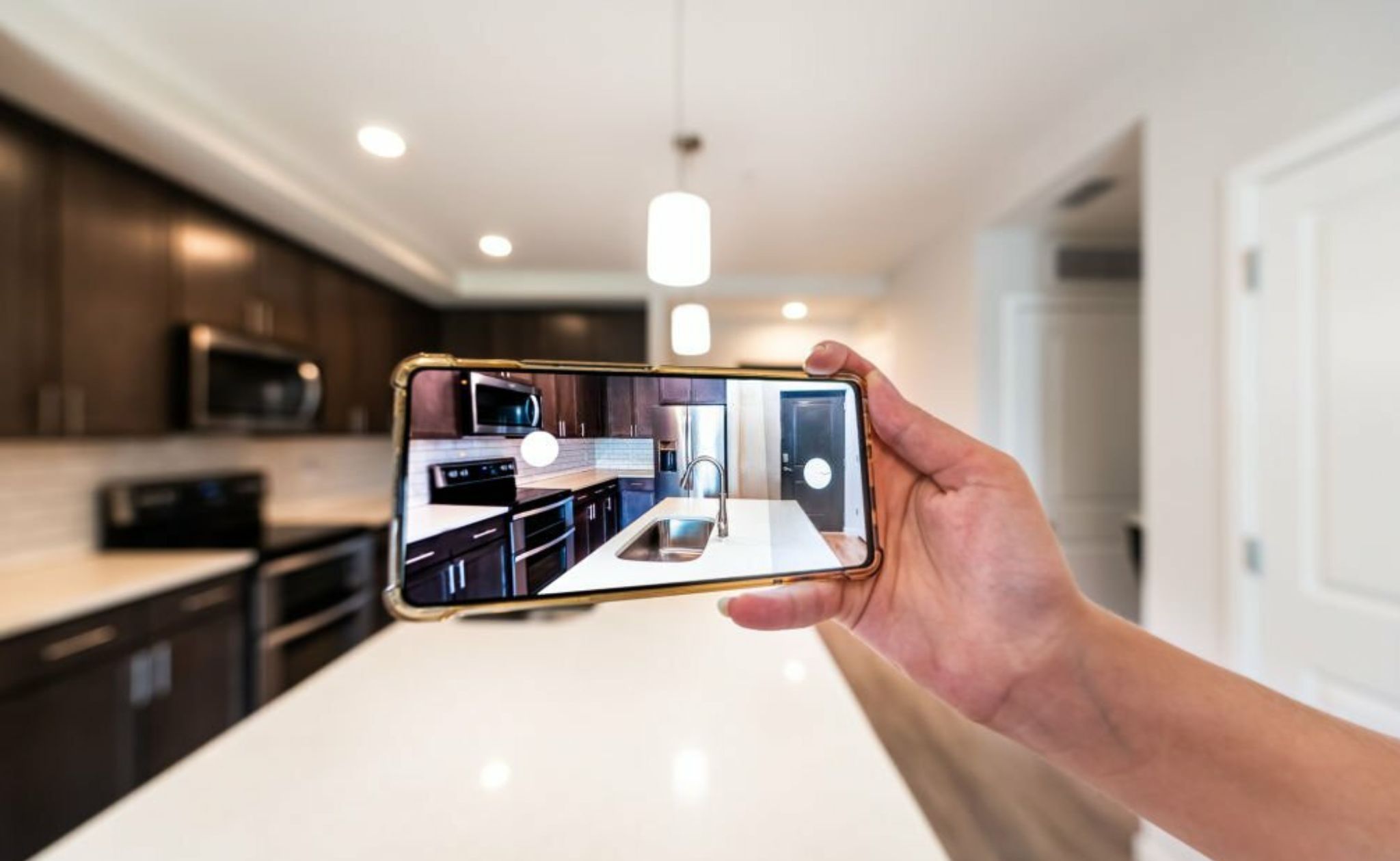
Image Source: Home Inspection Services
What Went Wrong
Luxury homes with extravagant features and unique architectural designs engage potential buyers, yet many overlook the structural and functional aspects beneath the surface appeal. Premium pricing creates a false sense of security. Even luxury builders can cut corners by using subpar materials or rushing timelines to meet market demand. Expensive materials like marble or exotic woods may have inherent flaws that compromise durability over time, while esthetic modifications sometimes compromise critical structural components without proper engineering approval.
Foundation cracks, leaning walls, and uneven flooring signal serious problems that buyers dismiss as minor cosmetic concerns. Small hairline cracks in plaster are common, but wide gaps, crumbling mortar, or floors that slope require attention right away. Structural issues improve rarely without intervention, and early evaluation provides property owners a better basis for action.
The Hidden Cost
Hidden defects beneath esthetics escalate into major issues and lead to significant financial burdens for homeowners. Structural problems in high-end properties become more expensive to fix because repair work must match the quality and style of existing construction. Foundation issues affect how loads transfer through the structure and create additional problems inside the home such as wall cracks, sloping floors, or doors that fail to close properly.
How to Avoid This
Complete structural inspections by qualified engineers distinguish minor conditions from those that just need attention. Inspectors should assess foundation integrity and load-bearing structures beyond surface-level reviews. Verification during the evaluation process protects investments by catching problems before they worsen and prevents home buyer regret that stems from structural discoveries after purchase.
Underestimating True Maintenance Costs

Image Source: Smartsheet
What Went Wrong
Most buyers focus on the purchase price, yet ongoing costs represent where financial strain occurs. Properties worth above $1 million have monthly maintenance costs from $5,000 to $70,000, averaging 5% of the total property value each year. Luxury homes in Charlotte need about 1.5% to 2.5% of the home's value for annual maintenance. This translates to $15,000 for a 3,000 square foot home and up to $65,000 for estates exceeding 8,000 square feet. Aspen estates demand even more, with annual maintenance running 1-3% of purchase price—$100,000 to $300,000 per year on a $10 million property.
New owners are surprised by staffing requirements alone. A 30,000-square-foot residence needs at least 10 rotating housekeepers, two to four horsemen, full-time gardeners, a trio of rotating chefs, and multiple butlers and chauffeurs. Housekeepers earn $30 to $35 per hour, chefs command $50 to $100 an hour, and butlers and nannies make $100,000 each year. A staff of 20 people costs property owners $5,000 per day and reaches $1.8 million per year.
The Hidden Cost
Hidden homeownership costs add $15,979 on average each year. Geographic factors magnify expenses. Snow removal alone runs $10,000 per season in Aspen, while heated driveway systems cost $3,000 to $10,000 per season to operate. Pool maintenance ranges from $1,200 to $2,500 per year. Reactive maintenance—waiting for something to break—costs far more than proactive care. A $300 annual HVAC tune-up prevents a $3,000 compressor failure.
How to Avoid This
Budget using the 1-3% rule as a baseline reserve for maintenance, repairs and emergency funds. Set aside contingency funds for unexpected repairs and system failures. Schedule regular inspections to identify minor issues early and prevent emergency interventions that trigger regret about buying a house later.
Not Shopping Around for Luxury Mortgage Term
What Went Wrong
Jumbo mortgages exceed conforming loan limits, which stand at $832,750 in most areas and reach $1,249,125 in high-cost regions like Alaska and Hawaii. Conventional mortgages capped by Fannie Mae and Freddie Mac fail to cover ultra-luxury properties priced well above these thresholds. Limited lenders specialize in jumbo mortgages for luxury houses. This makes it challenging for buyers to find competitive rates and terms. Rates can vary a lot from lender to lender since broader market trends like inflation and job growth influence pricing, and mortgage rates fluctuate daily or even hourly.
Many buyers accept the first offer presented without comparing alternatives. Securing favorable terms requires getting two or three loan estimates before settling on a mortgage. Each financing option carries distinct advantages and potential risks that must be weighed against individual circumstances.
The Hidden Cost
Jumbo mortgages involve higher fees. Origination and appraisal costs increase the upfront expense of purchasing luxury homes. Credit score requirements demand a FICO Score of 740 or higher, though borrowers may qualify with scores as low as 660 depending on qualifications. Debt-to-income ratios must stay below 45%, though some instances allow up to 50%.
Interest rates determine how much borrowers pay on top of the principal. Higher rates cost much more over the loan term. The APR has additional fees beyond the interest rate and provides a clearer picture of total mortgage costs. Without proper comparison shopping, buyers may pay thousands more each year through suboptimal terms.
How to Avoid This
Compare similar mortgage products by exploring both interest rates and APRs. Jumbo loans require at least two months of cash reserves to demonstrate knowing how to maintain mortgage payments. Private banks and boutique lenders offer tailored services and understand the luxury market. They provide one-on-one attention from dedicated advisors who take a comprehensive view of finances. Rate locks lasting 30-45 days protect borrowers when rates are low and prevent surprises while providing confidence in monthly payment amounts. This strategic approach prevents home buyer's remorse that stems from unfavorable financing terms.
Visiting the Property Only Once

Image Source: Bella Collina
What Went Wrong
Original property tours create emotional responses that cloud judgment. Attractive staging and showings timed with care present properties at their absolute best and make objective assessments nearly impossible during that first walkthrough. Excitement generates confirmation bias and causes buyers to overlook warning signs that contradict their ideal vision. Experts recommend visiting a home 3-6 times before making an offer, yet many luxury buyers commit after a single 30-minute viewing.
Properties change throughout the day. Morning light is different from evening ambiance, and weekday tranquility contrasts with weekend activity levels. Rush hour traffic patterns, neighborhood noise levels, and parking availability fluctuate hour to hour. A single daytime visit fails to reveal these variations. Weather conditions matter just as much. Sunny days mask roofing defects and drainage problems that rainy conditions would expose right away.
The Hidden Cost
Hidden defects related to plumbing, electrical systems, and structural concerns rarely surface during brief tours. Problems found after closing trigger home buyers remorse and require expensive remediation that buyers could have negotiated during the purchase process.
How to Avoid This
Multiple visits at different times and weather conditions are essential. The second viewing carries more importance than the first. Approach it with focus on physical condition rather than aesthetics. Check boiler condition, test water pressure, and examine walls for cracks and look for mold or damp signs. Visit during both morning and evening hours to assess natural light and neighborhood activity. This approach prevents regret buying home by identifying deal-breakers before commitment.
Ignoring Neighborhood Dynamics and Privacy Concerns

Image Source: MILLION Luxury
What Went Wrong
Buyers compare lifestyle, setting, and long-term fit rather than square footage alone. Mature neighborhoods compete on lot quality, privacy, landscaping maturity, and settled residential character. Newly built homes near transit offer different value propositions. Many luxury buyers prioritize privacy, trees, and neighborhood character over convenience factors. You risk mismatched expectations after purchase if you fail to research these dynamics.
Wealthy homeowners face unique security concerns that extend beyond average homeowner worries. Greater wealth brings increased risks of intrusions, theft, stalking, and kidnapping from ill-intentioned individuals. Burglaries increased 36.5% between April and May 2021 alone in New York. Luxury properties faced greater risk. Privacy becomes a matter of personal safety rather than mere preference.
The Hidden Cost
Location provides the strongest security layer. Homes without strategic setbacks, hidden driveways, or landscaping barriers expose residents to outside visibility. Gated communities with controlled entrances create natural boundaries. Guarded access points and limited road access reduce unwanted visitors. Properties lacking these features require expensive modernization. Buyers remorse house situations often stem from discovering inadequate privacy protections after closing.
How to Avoid This
Visit neighborhoods multiple times on weekdays and weekends. Observe activity patterns. Talk to current residents for insider information about the area. Check crime data through resources like CrimeMapping.com and compare safety levels. Research whether homes are rental properties. Higher rental concentrations mean more neighbor turnover. The right home makes all the difference if you love to entertain. I'd be delighted to help you find spaces designed for elevated living and effortless hosting if you're thinking over a purchase in the near future or beginning your search. Christina Pope  310-404-9931
  [email protected]. Assess privacy needs early. Identify vulnerable areas like visible backyards or decorative gates that offer minimal defense. This prevents home buyer regret from incompatible neighborhood dynamics.
Skipping Comprehensive Home Inspections

Image Source: Soffia Wardy
What Went Wrong
Waiving home inspections makes offers more appealing to sellers, especially in seller's markets. 27% of buyers waived the inspection contingency as of July to win bidding wars. Luxury properties have features and systems that are more complex than modest homes. This makes the inspection process more intricate and time-consuming. Buyers miss critical details specific to high-end properties when inspectors lack training in luxury homes. Generalist inspectors overlook issues with smart home technology, sophisticated HVAC systems, and custom features that define luxury estates.
The Hidden Cost
Basic residence inspections cost $300 to $500, but specialized luxury home inspectors charge around $100,000 to protect these investments. Skipping this step exposes buyers to safety hazards like mold, electrical problems and structural failures. The average HVAC system replacement costs $7,500. Roof repairs exceed $1,000 and foundation repairs run more than $5,000. Hidden defects range from $10,000 to $15,000 or more in unexpected repairs. Insurance companies may charge higher premiums or deny coverage based on property conditions. This could jeopardize financing. Problems that surface after closing trigger severe home buyer regret.
How to Avoid This
Hire inspectors with experience in high-end properties who understand advanced systems. Inspection findings serve as negotiation tools. Buyers can request seller-addressed repairs or closing credits. Shortcuts save time at first, but they lead to financial and legal challenges that increase buyers remorse house situations later.
Rushing the Decision Due to Market Pressure
What Went Wrong
Recent years forced buyers into hasty decisions because of market conditions. Homes now sell in just 34 days nationwide, while properties in strong seller's markets enter contract within one or two days of their first open house. This velocity creates intense pressure. Houses are not impulse purchases like cars or electronics. First-time luxury buyers face stiff competition and often submit multiple bids before securing a property. Around 12% of Americans regretted not getting better mortgage rates on their homes.
Jeff Ostrowski, a Bankrate.com analyst, confirmed that rushed market conditions led many to experience buyers remorse house situations. Buyers who fail to review current market trends risk purchasing at peak prices or missing better opportunities. Emotional decisions during bidding wars cause buyers to pay more than they should.
The Hidden Cost
Budget constraints extend beyond mortgage payments. Homeowner's insurance, property taxes and unexpected repairs squeeze finances. Rushed purchases leave buyers with homes that fail to meet their needs. This triggers home buyer regret and difficulty reselling without guarantees or return options.
How to Avoid This
Wait before making an offer if uncertainty exists. Rent for six to twelve months rather than buying right away in unfamiliar areas when relocating. Set clear spending limits and avoid impulsive offers to prevent regretting buying a house later.
Buying a Fixer-Upper Without Realistic Budget

Image Source: House Remodel
What Went Wrong
A $350,000 fixer-upper compared to a $450,000 move-in-ready home reveals deceptive math. That $100,000 gap vanishes fast when kitchen remodels reach $80,000, bathroom renovations hit $78,000, and roof replacements cost over $30,000. Homeowners underestimate costs. They fixate on visible finishes while they overlook electrical, plumbing, HVAC and structural updates that account for 30-40% of total budgets. Industry data shows 26% of homeowners struggle to stay on budget during renovations.
Structural problems, moisture damage and outdated electrical systems add unplanned costs. Hidden failures do the same. Change orders from foundation repairs or demo discoveries affect both cost and timeline. Renovation loans release funds in stages without detailed contractor bids. Buyers need more cash upfront than they expect.
The Hidden Cost
The $350,000 fixer-upper requires $70,000 down plus $125,000 in renovation cash. That's $195,000 available. The $425,000 move-in-ready home needs only $85,000 down. Permits cost $150-$2,000. Demo runs $4-$17 per square foot. Temporary housing adds monthly expenses if the property lacks working heat or functional kitchens.
How to Avoid This
Build 20-30% contingency funds beyond your estimates. Higher percentages work better for homes older than 30-40 years. Finalize design selections upfront to minimize change orders. This prevents home buyer regret from underestimated renovation budgets.
Overlooking the Age of Major Systems and Components

Image Source: Miko LLC
What Went Wrong
Every major system carries a predictable lifespan that buyers ignore during purchase evaluations. Air conditioners and heat pumps last 10-12 years, while furnaces operate 15-20 years before requiring replacement. Water heaters function 8-12 years. Buyers assume working systems have years remaining. Yet a 14-year-old furnace nears the end of its cycle whatever its current functionality. Insurance companies inspect system ages, with outdated electrical wiring and aging components increasing fire risk and affecting coverage eligibility.
The Hidden Cost
Emergency replacements eliminate negotiating power. Homeowners facing sudden HVAC failures at $15,000 must accept whoever arrives first and often pay 10-20% more than off-season rates. The 50% rule provides clarity: when repair costs exceed 50% of replacement cost on systems halfway through their lifespan, replacement makes financial sense. A 14-year-old furnace needing a $2,000 heat exchanger repair versus a $4,500 replacement represents poor value. Subsequent failures loom. Then buyers remorse house situations emerge from unforeseen system failures.
How to Avoid This
Document all system ages during the first week of ownership and create a replacement timeline that prevents surprises. Schedule replacements during off-season periods for 10-20% cost savings. This proactive approach prevents regretting buying a house when systems fail unexpectedly.
Not Considering Property Orientation and Energy Costs
What Went Wrong
Sun position throughout the day determines how much energy properties consume, yet buyers rarely review this factor. Housing orientation affects total heating and cooling loads. Luxury homes with larger square footage, high ceilings, and expansive windows increase energy consumption. West-facing exposure creates the worst scenario, inasmuch as afternoon sun heats interiors when temperatures peak. South-facing properties without proper shading force cooling systems to work overtime during summer months.
Homes re-oriented toward the sun without additional solar features save between 10% and 20%, with some achieving up to 40% savings on heating. Conversely, optimal orientations yield potential energy savings ranging from 25.6% to 48.9% compared to least efficient orientations. Buyers focused on aesthetics miss these financial implications.
The Hidden Cost
Solar heat gain through poorly positioned windows pushes cooling costs higher. South-facing windows experience up to 65% solar heat gain, while west-facing windows reach 77%. Heat-rejecting window films reduce cooling costs by up to 30%, yet these modernizations represent expenses that proper orientation would have prevented. Pools and heated floors mentioned earlier compound energy demands when orientation works against efficiency rather than with it and trigger home buyer regret.
How to Avoid This
Review properties at different times to observe sun exposure patterns. Assess window placement relative to sun paths, noting west and south exposures that require mitigation.
Neglecting to Verify Lot Lines and Property Boundaries

Image Source: FindLaw
What Went Wrong
Buyers rely on listing descriptions and county property maps to understand lot dimensions, yet these sources lack legal accuracy. County property appraiser parcel maps serve general reference purposes but are not survey-grade and cannot resolve disputes. Sellers may misstate property size intentionally or unknowingly. This creates discrepancies between advertised acreage and actual boundaries. Physical markers installed decades ago have shifted, been removed, or were never installed to begin with, especially when you have areas where parcels were plated long ago. Buyers purchase properties based on assumptions rather than documented facts if they skip professional verification.
The Hidden Cost
Boundary disputes between neighbors escalate into expensive legal battles when property lines remain unclear. Encroachments occur when fences, driveways, or sheds cross legal boundaries and require removal or negotiated easements. Title insurance policies may exclude boundary disputes unless a survey endorsement was purchased. This leaves buyers financially exposed. Licensed surveyors charge $400 per hour for boundary surveys that take 3 to 6 hours, though Florida boundary surveys cost $400 to $1,200 depending on parcel size and complexity. Adverse possession claims allow individuals using land openly without permission to gain legal ownership. This makes timely boundary verification critical. These issues trigger severe home buyer regret when discovered after closing.
How to Avoid This
Licensed land surveyors should be hired to perform boundary surveys, the only method producing legally defensible documentation of property lines. Purchase offers should be made contingent on satisfactory survey results to protect against inaccurate lot sizes. Surveyors locate existing pins, establish missing corners, and document encroachments that cross legal boundaries. This investment removes doubt and provides a legal foundation to address any boundary concerns before you finalize the purchase.
Assuming New Construction Means No Problems
What Went Wrong
Brand-new construction carries an assumption of perfection that can get pricey. 65% of homebuyers who conducted inspections on their newly built homes found problems, and 24% reported their home did not pass the first inspection, according to reporting from the National Association of Realtors. Builders face growing pressure to deliver homes quickly amid rising construction costs. Construction costs factored in 64.4% of the average price of a new home in 2024 compared to 60.8% in 2022. This economic squeeze creates quality compromises. Larger builders of cookie-cutter developments tend to exhibit the same recurring quality problems, as contractors cut corners to complete jobs faster.
The Hidden Cost
Defects range from plumbing problems and roofing debris to structural framing issues and improper window installations. A $3.5 million townhouse was left uninhabitable due to shower leaks that required wall demolition, bathroom venting directed into walls that created intolerable odors, and exterior siding problems. Foundation cracks, electrical defects and HVAC inadequacies compromise both safety and resale value. These discoveries trigger severe home buyer regret when problems surface after warranties expire or builders resist responsibility.
How to Avoid This
Inspections should occur during each construction stage: pre-foundation, pre-drywall and final completion. Phased inspections cost $800 to $2,000 for all three phases or $100 to $500 per individual phase. Independent inspectors review quality and craftsmanship beyond minimum code compliance. They identify problems builders overlook or conceal behind attractive finishes. This prevents regretting buying a house when construction defects emerge.
Making Emotional Rather Than Strategic Decisions

Image Source: Goldcrest Views
What Went Wrong
Luxury property purchases represent more than economic transactions. Consumer psychology research shows that luxury real estate decisions stem from deep emotions, symbolic meanings and psychological needs that speak to identity, belonging and life aspirations. Exclusivity and lack of availability function as powerful motivators. Buyers seek properties that reflect unique personality and provide social validation. High-net-worth individuals view homes as extensions of identity and tangible signs of success that provide status within peer groups.
Cognitive biases distort judgment. Social comparison bias amplifies pressure to match peers' purchases. Present bias overvalued immediate emotional comfort at the expense of long-term financial goals. Loss aversion causes resistance even when purchases harm net worth. Confirmation bias guides buyers to seek information supporting preconceived notions rather than objective assessment.
The Hidden Cost
Emotion as the main driver creates a documented path to buyers remorse, house situations and poor return on investment. Impulse purchases in the luxury sphere carry multimillion-dollar consequences. Buyers driven by emotion overlook significant inspection details and underestimate true ownership costs. They fail to think over resale potential. Properties purchased for status rather than strategic value often disappoint when reality conflicts with aspirational thinking.
How to Avoid This
Balance emotional connection with disciplined objective analysis. Create detailed property scorecards that weigh pros and cons against pre-defined lifestyle needs and long-term financial goals. This structured approach will give decisions that remain both personally meeting expectations and strategically sound. It prevents home buyer regret from emotion-led commitments.
Not Factoring in Closing Costs and Hidden Fees

Image Source: HAR.com
What Went Wrong
Generic closing cost estimates quote 2% to 5% of purchase price, yet this range obscures reality at the luxury level. A $1.5 million Atlanta purchase means buyers pay $40,000 to $55,000 in fees and taxes before taking possession. Percentages feel manageable until translated into six-figure checks. Miami financed buyers face 1.5% to 4% of the purchase price. Cash buyers still encounter 0.5% to 2%. Many buyers budget for down payments without accounting for these requirements and create last-minute financial scrambles that trigger home buyer regret.
The Hidden Cost
Georgia requires attorneys at closing and imposes intangibles tax with no cap that scales with loan size. Luxury appraisals exceed standard $400 to $600 fees. They just need appraisers with high-end market experience. Title insurance premiums and attorney fees increase proportionally with property value. Waterfront properties demand specialized inspections and higher flood insurance prepaids collected at closing. HOA buildings charge transfer fees and capital contributions that range from hundreds to thousands.
How to Avoid This
Lenders provide Loan Estimates within three business days of application and Closing Disclosures at least three days before closing. Shop for services where permitted, including title insurance and appraisals [542]. Negotiate seller concessions to offset buyer costs, especially when you have seller problems like quick closings.
Overlooking Vehicle Accessibility and Parking Logistics

Image Source: Garage Living
What Went Wrong
Parking logistics function as architectural design elements rather than afterthoughts, yet buyers treat them as minor details. Luxury properties require multiple vehicle accommodations—3-6 car garages depending on household size and vehicle collections. Garages are included in around 63% of housing units nationwide, but luxury estates require expanded capacity plus guest parking circulation separated from primary entertaining zones. Buyers overlook driveway flow, service access points, and delivery vehicle routing during property tours. They find problems after move-in creates daily frustration.
The Hidden Cost
Structured parking—spaces in above- or below-ground garages—adds an average of $50,000 per unit in development costs. Parking spots reach $1 million in premium markets where lack drives values. Each garage space increases monthly housing costs by $141 and creates ongoing financial burden. So modernizing parking after purchase proves far more expensive than properties with adequate existing infrastructure. This triggers buyers' remorse house situations from insufficient vehicle accommodation.
How to Avoid This
Assess parking against current and future needs, accounting for household vehicles plus guest capacity. Check driveway circulation patterns and ensure service vehicles access appropriate zones without disrupting primary areas. This prevents home buyer regret stemming from inadequate parking logistics.
Failing to Research Local Zoning and Future Development
What Went Wrong
Zoning designation determines property use, yet most buyers never get into it until restrictions block their plans. Properties with grandfathered nonconforming uses carry hidden risks. A duplex in an area now zoned single-family, or a home-based business in residential zones, maintains legal protection only through continuous operation. Protection vanishes for good if the nonconforming use lapses for 12 months or more. The property must then comply with current zoning and eliminate previously permitted uses.
The Hidden Cost
Ryan Brown, Principal Broker at Own Luxury Homes, explains: "Buyers who purchase a grandfathered duplex sometimes find out two years later that a vacancy plus a renovation cost them the right to rent the second unit. That's a USD 1,500/month income stream that disappears for good". Rezoning to limit building heights or restrict development reduces property values by eliminating income-generating potential. Zoning violations trigger legal disputes and forced structure removal. This triggers severe home buyer regret from permanent loss of property rights.
How to Avoid This
Contact planning departments before you close to verify current zoning and confirm whether existing use conforms. Request written confirmation of specific conditions needed to maintain nonconforming status. Review future land-use plans to assess potential rezoning that could affect property values five to twenty years ahead. This prevents buyers from remorseful house situations from zoning restrictions found after purchase.
Forgoing Home Warranty Coverage

Image Source: Investopedia
What Went Wrong
Two myths drive luxury buyers to skip warranty coverage. The belief that luxury homes are over-engineered makes protection unnecessary. Most structural defects stem from soil movement outside anyone's control, and structural failures in luxury homes carry expensive costs due to picky buyers and costly cosmetic damage. Buyers assume that knowing the seller personally protects against disputes. Warranty providers watch builders suffer when buyers they knew well sued them, a pattern observed over more than 40 years in the industry.
The Hidden Cost
Coverage limits expose luxury buyers to gaps. Appliance coverage ranges from $500 to $7,000 per item. Replacement costs for professional ranges reach $6,000 to $14,000, but limits cap at $2,000. The plan fails to deliver. Annual combined limits between $10,000 and $50,000 mean multiple repairs throughout the contract term may exceed coverage. Many plans exclude like-kind replacement and leave buyers with generic appliances replacing Viking ranges. Exclusions for pre-existing conditions, improper installation, and lack of maintenance lead to denied claims.
How to Avoid This
Compare coverage limits against actual replacement costs before purchasing. Review commercial-grade appliance definitions and verify like-kind replacement clauses. Dedicated repair funds may prove more practical than warranty contracts with restrictive terms.
Comparison Table
Luxury Real Estate Isn't Driven by Headlines—It's Shaped by Private Conversations
Luxury real estate in Los Angeles isn't driven by headlines. Private conversations, timing and access shape it. The most meaningful transactions unfold quietly within trusted circles, where discretion carries as much weight as value. Visibility is secondary to precision for those who understand this world, and timing is everything.
Christina Pope—Sotheby's International Realty
EliteResidenceInternational.com
Complete Comparison: 17 House Hunting Mistakes Luxury Buyers Regret
| Mistake | What Went Wrong | Financial Impact | Key Statistics | Prevention Strategy |
|---|---|---|---|---|
| Prioritizing Esthetics Over Structural Integrity | Buyers focus on extravagant features and overlook foundation, load-bearing structures and structural defects beneath premium finishes | Repair costs are higher due to matching luxury quality standards; foundation issues create wall cracks, sloping floors and door failures | Luxury builders can cut corners despite premium pricing | Hire qualified structural engineers for complete inspections beyond surface-level reviews |
| Underestimating True Maintenance Costs | Buyers focus on purchase price and ignore ongoing costs; properties $1M+ require $5,000-$70,000 monthly maintenance | Annual maintenance: 1-3% of property value ($100,000-$300,000/year on $10M property); staff of 20 costs $1.8M a year; hidden costs add $15,979/year average | Charlotte luxury homes: $15,000-$65,000 annual maintenance; 30,000 sq ft home needs 10+ housekeepers, 2-4 housemen, multiple chefs and butlers | Budget 1-3% rule as baseline; set aside contingency funds and schedule regular inspections; $300 HVAC tune-up prevents $3,000 failure |
| Not Shopping Around for Luxury Mortgage Terms | Limited lenders specialize in jumbo mortgages; buyers accept first offer without comparing; rates fluctuate daily and hourly | Higher fees include origination and appraisal costs; thousands more a year through suboptimal terms | Jumbo loans exceed $832,750 (most areas) to $1,249,125 (high-cost regions); require FICO 740+, DTI below 45% and 2 months cash reserves | Compare interest rates and APRs across 2-3 lenders; use private banks for tailored service and secure 30-45 day rate locks |
| Visiting the Property Only Once | Single 30-minute viewing creates emotional responses and confirmation bias; staging and timing mask defects | Hidden defects in plumbing, electrical, humidity and structural issues found after closing require expensive remediation | Experts recommend 3-6 visits before making offer; 82% of buyers express purchase remorse | Schedule multiple visits at different times and weather; second viewing more important than first; check systems one by one |
| Ignoring Neighborhood Dynamics and Privacy Concerns | Buyers overlook privacy, security, lot quality and neighborhood character; wealthy homeowners face unique security risks | Updating privacy features is more expensive; gated community infrastructure adds value | NYC burglaries increased 36.5% (April-May 2021); luxury properties at greater risk | Visit neighborhoods multiple times on weekdays and weekends; talk to residents, check crime data and assess privacy vulnerabilities early |
| Skipping Complete Home Inspections | 27% of buyers waive inspections to win bidding wars; generalist inspectors miss luxury-specific issues | Simple inspections: $300-$500; specialized luxury inspectors: ~$100,000; hidden defects: $10,000-$15,000+ repairs; HVAC replacement: $7,500; roof: $1,000+; foundation: $5,000+ | Average hidden defects cost $10,000-$15,000 or more | Hire inspectors experienced in high-end properties and use findings as negotiation tools for repairs or credits |
| Rushing the Decision Due to Market Pressure | Homes sell in 34 days nationwide; 1-2 days in strong seller's markets; first-time luxury buyers submit multiple bids | Budget constraints beyond mortgage: insurance, taxes and unexpected repairs; rushed purchases fail to meet needs | 12% of Americans regretted not getting better mortgage rates | Wait before making offer if uncertain; rent 6-12 months when relocating and set clear spending limits |
| Buying a Fixer-Upper Without Realistic Budget | $100,000 gap between fixer-upper and move-in-ready vanishes quickly; buyers overlook electrical, plumbing and HVAC (30-40% of budget) | Kitchen remodels: $80,000; bathroom renovations: $78,000; roof replacements: $30,000+; permits: $150-$2,000; demo: $4-$17/sq ft | 26% of homeowners struggle staying on budget during renovations; $350K fixer needs $195K total vs $85K for move-in-ready | Build 20-30% contingency funds (higher for 30-40+ year old homes) and finalize design selections upfront |
| Overlooking Age of Major Systems | Buyers assume working systems have years remaining; 14-year-old furnace nears end of cycle whatever its functionality | Emergency replacements cost 10-20% more than off-season rates; HVAC failures: $15,000 | AC/heat pumps: 10-12 years; furnaces: 15-20 years; water heaters: 8-12 years; 50% rule: repair >50% replacement cost = replace | Document all system ages first week and schedule off-season replacements for 10-20% savings |
| Not Thinking About Property Orientation and Energy Costs | Sun position determines energy consumption; west-facing creates worst scenario; buyers focus on esthetics over efficiency | South-facing windows: 65% solar heat gain; west-facing: 77%; heat-rejecting films reduce cooling costs up to 30% | Optimal orientation saves 25.6%-48.9% vs least efficient; re-orientation saves 10-40% on heating | Assess properties at different times to observe sun exposure and window placement relative to sun paths |
| Neglecting to Verify Lot Lines | Buyers rely on listing descriptions and county maps that lack legal accuracy; physical markers shifted or removed over time | Boundary surveys: $400/hour (3-6 hours) or $400-$1,200 in Florida; legal battles from disputes and encroachment removal costs | County maps serve general reference only, not survey-grade; adverse possession can transfer ownership | Hire licensed surveyors for boundary surveys and make offers contingent on satisfactory results |
| Assuming New Construction Means No Problems | Brand-new construction assumed perfect; builders face pressure for quick delivery amid rising costs | Construction costs: 64.4% of new home price (2024) vs 60.8% (2022); phased inspections: $800-$2,000 total or $100-$500 per phase | 65% of new home inspections found issues; 24% failed first inspection; $3.5M townhouse left uninhabitable | Conduct inspections at each stage: pre-foundation, pre-drywall and final completion |
| Making Emotional Rather Than Strategic Decisions | Luxury purchases driven by identity, belonging and status; cognitive biases distort judgment | Multimillion-dollar consequences from impulse purchases and poor ROI when emotion is primary driver | Exclusivity and scarcity function as powerful motivators for high-net-worth individuals | Balance emotional connection with objective analysis and create property scorecards against pre-defined needs |
| Not Factoring in Closing Costs and Hidden Fees | Generic 2-5% estimates obscure luxury reality; buyers budget for down payment without accounting for additional requirements | $1.5M Atlanta purchase: $40,000-$55,000 in fees; Miami financed: 1.5-4%; cash buyers: 0.5-2% | Georgia requires attorneys and imposes uncapped intangibles tax; luxury appraisals exceed standard $400-$600 | Review Loan Estimates within 3 days of application, shop for services where permitted and negotiate seller concessions |
| Overlooking Vehicle Accessibility and Parking | Parking treated as minor detail; luxury estates need 3-6 car garages plus guest parking | Structured parking adds $50,000/unit average; premium markets: $1M per spot; each garage space adds $141 monthly housing cost | 63% of housing units nationwide include garages | Assess parking against current and future needs; check driveway circulation and service vehicle access |
| Failing to Research Zoning and Future Development | Buyers never get into zoning until restrictions block plans; grandfathered uses carry hidden risks | Duplex income loss: $1,500/month; rezoning reduces property values by eliminating income potential | Nonconforming use protection vanishes if lapsed 12+ months | Contact planning departments before closing, request written confirmation of nonconforming status and review future land-use plans |
| Forgoing Home Warranty Coverage | Myths: luxury homes over-engineered, knowing seller protects against disputes | Appliance coverage: $500-$7,000/item; professional ranges: $6,000-$14,000 but limits cap at $2,000; annual combined limits: $10,000-$50,000 | Most structural defects stem from soil movement; luxury home failures carry expensive costs | Compare coverage limits against actual replacement costs, verify like-kind replacement clauses and think about dedicated repair funds |
Conclusion
Understanding that 82% of buyers experience remorse shows how preventable these seventeen mistakes are. Each error stems from rushed decisions, insufficient research, or misplaced trust in assumptions rather than verified facts. Working with professionals who understand luxury market nuances protects investments worth millions. Luxury real estate in Los Angeles isn't driven by headlines but shaped by private conversations, timing, and access. The most significant transactions unfold within trusted circles where discretion carries as much weight as value. Those who love to entertain will find the right home makes all the difference. Buyers starting their search can find spaces designed for sophisticated living through guidance from Christina Pope at 310-404-9931 or [email protected].
Christina Pope—Sotheby's International Realty
EliteResidenceInternational.com
Key Takeaways
Luxury home buyers face unique challenges that can lead to costly regrets, with 82% expressing remorse about their purchases. These strategic insights help prevent expensive mistakes in high-end real estate transactions.
• Prioritize structural integrity over esthetics - Beautiful finishes can hide foundation issues, electrical problems, and structural defects that cost exponentially more to fix in luxury properties
• Budget 1-3% of property value annually for maintenance - A $10 million estate requires $100,000-$300,000 yearly for upkeep, with staffing alone costing up to $1.8 million annually
• Shop multiple lenders for jumbo mortgages - Rates vary significantly between specialized lenders, and comparing 2-3 options can save thousands annually on luxury financing
• Visit properties multiple times at different hours - Single viewings miss critical issues like noise patterns, lighting changes, and neighborhood dynamics that affect daily living
• Invest in comprehensive inspections by luxury specialists - Standard inspectors miss high-end system complexities; specialized inspections cost around $100,000 but prevent $10,000+ surprise repairs
• Research zoning and future development plans - Grandfathered uses can disappear permanently, and rezoning can eliminate income streams worth $1,500+ monthly
Strategic due diligence prevents the financial and emotional costs of buyer's remorse in luxury real estate. Working with experienced professionals who understand high-end market nuances protects multimillion-dollar investments and ensures long-term satisfaction with your purchase decision.
FAQs
Q1. What annual income do I need to afford a luxury home priced at $1 million or more? To comfortably afford a $1 million home, you typically need an annual household income of at least $200,000 to $250,000. This calculation accounts for the down payment (usually 20% or $200,000), monthly mortgage payments, property taxes, insurance, and ongoing maintenance costs. For luxury properties, lenders also consider your debt-to-income ratio, which should generally stay below 45%, and require substantial cash reserves—at least two months of mortgage payments—to demonstrate financial stability.
Q2. What are the biggest factors that can decrease a luxury home's value? Several factors significantly devalue luxury properties: structural issues like foundation problems or roof damage, outdated major systems (HVAC, plumbing, electrical), poor property orientation affecting energy costs, and neighborhood changes including zoning modifications or unwanted development. Additionally, inadequate parking, privacy concerns, boundary disputes, and deferred maintenance can substantially reduce property values. Properties with grandfathered nonconforming uses that lapse can lose income-generating potential permanently, sometimes costing $1,500 or more monthly.
Q3. Are luxury real estate prices expected to decline in 2026? Market conditions in 2026 continue to show competitive dynamics in the luxury sector, with homes selling quickly—often within 34 days nationwide and sometimes within 1-2 days in strong seller's markets. Rather than focusing on potential price declines, luxury buyers should prioritize strategic decision-making, comprehensive due diligence, and working with experienced professionals who understand high-end market nuances. Market pressure shouldn't rush your decision, as hasty purchases often lead to buyer's remorse.
Q4. When is the most challenging time to sell a luxury property? While seasonal patterns affect real estate markets, luxury properties face unique selling challenges related to their condition and presentation rather than timing alone. Properties with unresolved structural issues, inadequate maintenance, boundary disputes, or zoning complications prove difficult to sell regardless of season. The most challenging situations arise when sellers haven't addressed deferred maintenance, system failures, or legal complications before listing, as sophisticated luxury buyers conduct thorough due diligence that reveals these problems.
Q5. How much should I budget annually for maintaining a luxury home? Luxury home maintenance typically requires 1-3% of the property's purchase price annually. For a $10 million estate, this translates to $100,000-$300,000 per year. This includes routine upkeep, system maintenance, landscaping, pool care, and staffing costs. Properties over $1 million can require $5,000-$70,000 monthly in maintenance expenses. Setting aside contingency funds beyond this baseline helps cover unexpected repairs, as reactive maintenance costs substantially more than proactive care—for example, a $300 annual HVAC tune-up can prevent a $3,000 emergency compressor replacement.